
LASIK Surgery

Regaining Your Visual Sharpness

A Life Health Group aims to provide high-quality and safe eye care services for patients of all ages. LASIK surgery is a safe and effective laser procedure used to correct vision problems such as myopia, hyperopia, or astigmatism. Performed with minimally invasive techniques, LASIK can reduce or completely eliminate the need for glasses and contact lenses. This guide will comprehensively cover all details of LASIK surgery, including candidate criteria, advantages, risks, and postoperative processes.

Eye Anatomy and Visual System

The eye is a complex organ that provides clear vision by focusing light accurately onto the retina. The cornea, lens, retina, and optic nerve play key roles in ensuring visual acuity.

  • Cornea: The transparent outer layer of the eye that refracts light and provides the initial step in focusing it onto the retina.
  • Lens: Precisely bends light to complete its focus onto the retina.
  • Retina: The tissue where light is converted into electrical signals and transmitted to the brain.
  • Optic Nerve: Carries signals generated by the retina to the brain’s visual center.

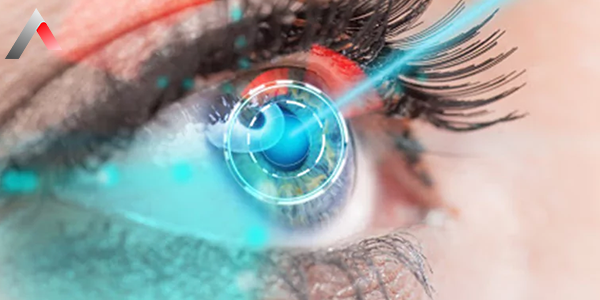
Vision problems occur when light is not properly focused on the retina. LASIK surgery adjusts the curvature of the cornea, ensuring light is focused correctly and clear vision is achieved.
LASIK_surgery_65dc0482.webp

Vision Disorders and Their Causes

  • Myopia (Nearsightedness – Clear near, blurry far vision): Myopia typically occurs when the cornea or eyeball is longer than normal, causing light to focus in front of the retina. Genetic factors, prolonged near-vision activities during childhood, and environmental influences can trigger myopia. It may be progressive, especially in younger individuals.
  • Hyperopia (Farsightedness – Clear far, blurry near vision): Hyperopia occurs when the cornea does not bend light sufficiently or the eyeball is too short, causing light to focus behind the retina. This can lead to blurred near vision and may cause eye strain, headaches, and other visual discomforts.
  • Astigmatism (Different refraction across axes): Astigmatism arises when the cornea has uneven curvature across different axes, causing irregular light focus on the retina. It can occur alongside myopia or hyperopia and may result in blurred vision, headaches, and eye fatigue.

What is LASIK Surgery?

LASIK (Laser-Assisted In Situ Keratomileusis) surgery reshapes the cornea to allow light to focus correctly on the retina. This enables clear vision without the need for glasses or contact lenses. LASIK is a minimally invasive procedure, offering most patients a safe and fast recovery.

Preoperative Examination and Candidate Assessment for LASIK

A comprehensive eye examination is performed to determine if a patient is a suitable candidate for LASIK surgery:

  • Corneal Topography: Maps the surface of the cornea to assess suitability for surgery.
  • Pachymetry: Measures corneal thickness to ensure surgical safety.
  • Dry Eye Tests: Evaluated because they can affect postoperative healing and comfort.
  • Refractive Measurements: Determines the degree of myopia, hyperopia, and astigmatism.
  • Intraocular Pressure and Retina Examination: Important for assessing overall eye health.

These tests ensure that LASIK surgery is both safe and successful.

Steps of LASIK Surgery

  • Creation of the Corneal Flap: A thin flap is created on the surface of the cornea using a laser or a specialized instrument called a microkeratome.
  • Laser Application: The corneal tissue beneath the flap is reshaped with an excimer laser according to the degree of refractive error.
  • Flap Replacement: After the laser treatment, the flap is repositioned and allowed to heal naturally.

The surgery usually takes 15–30 minutes, and most patients can go home the same day.

Advantages of LASIK Surgery

  • Restoration of Visual Acuity: LASIK significantly corrects myopia, hyperopia, and astigmatism.
  • Ease in Daily Life: Patients can perform daily activities comfortably without the need for glasses or contact lenses.
  • Sports and Other Activities: Limitations related to glasses or lenses are eliminated during swimming, diving, running, and similar activities.
  • Cosmetic Benefit: Eliminating the need for glasses positively impacts facial appearance.
  • Rapid Recovery: Most patients can return to daily activities within 24–48 hours after surgery.
  • Long-Term Success: In suitable candidates, visual quality remains high for many years.

Postoperative Recovery Process

Recovery after LASIK is generally quick. Patients may experience mild eye discomfort, temporary blurriness, light sensitivity, or redness.

  • Eye Protection: Avoid rubbing the eyes and contact with water during the first week.
  • Medication Use: Eye drops prescribed by the doctor should be used regularly.
  • Activities: Heavy exercise and sports should be limited during the first weeks.
  • Follow-Up: Regular check-ups ensure proper healing.

Possible Complaints After LASIK Surgery

  • Temporary Blurry Vision: Short-term blurriness after surgery is normal.
  • Light Sensitivity: Sensitivity to bright lights or night vision may occur.
  • Dry Eyes: Temporary dryness may appear; manageable with prescribed eye drops.
  • Redness: Mild eye redness is possible.
  • Pain or Discomfort: Mild pain or a stinging sensation may be felt.
Risks of LASIK Surgery

Like any surgical procedure, LASIK carries certain risks:

  • Infection: Rarely, an infection may develop after surgery.
  • Bleeding: Minimal bleeding can occur during or after flap creation.
  • Reduced Visual Acuity: In rare cases, vision may not be corrected as expected.
  • Improper Flap Healing: If the flap does not settle correctly, visual disturbances may occur.
  • Night Glare and Halos: Some patients may see glare or halos around lights.

These risks are minimized with experienced surgeons and advanced technology.

Pre- and Post-LASIK Recommendations

Before Surgery:

  • Treat any eye infections or dryness prior to surgery.
  • Contact lens users should remove lenses for a recommended period before the procedure.

After Surgery:

  • Avoid rubbing your eyes for the first 24 hours.
  • Use the prescribed eye drops regularly.
  • Attend all follow-up appointments as instructed by your doctor.
LASIK Surgery at A Life Health Group
  • Experienced Medical Team: A Life Health Group has a team of specialized and experienced ophthalmologists.
  • Latest Technology: LASIK surgeries are performed using the most advanced technology.
  • Safe and Comfortable Environment: Patients receive treatment in a secure and comfortable setting.
  • Personalized Treatment: Customized treatment plans are prepared for each patient.
  • Affordable Prices: A Life Health Group provides services at reasonable costs.

Contact us to learn more about LASIK surgery!

At A Life Health Group, we are here to determine the best treatment option for you and to guide you through the LASIK surgery process. We look forward to seeing you!

Frequently Asked Questions
  1. Does LASIK completely eliminate the need for glasses?
    In most patients, the need for glasses or contact lenses is significantly reduced or completely eliminated.

  2. How long is the recovery period after surgery?
    Daily activities can usually be resumed within 24–48 hours, while full recovery may take several weeks.

  3. Is there an age limit?
    LASIK can be performed on patients aged 18 and older. In older patients, corneal condition must be suitable.

  4. Can the surgery be repeated?
    Revision surgery can be performed if necessary, as long as the condition of the eye allows.
Prepared by A Life Medical Editorial Board.

Last Updated: 6 Kasım 2025 14:05

Publish Date: 25 Nisan 2024 10:09

LASIK Surgery

Quick Application Form

Please fill in the fields below so that we can reach you

Related Departments
Related Doctors
Similar Contents

Do you need help?

We are here for all your questions and problems 24/7.