
Prostate Cancer Surgery (Prostatectomy)

What is Prostate Cancer Surgery (Prostatectomy)?

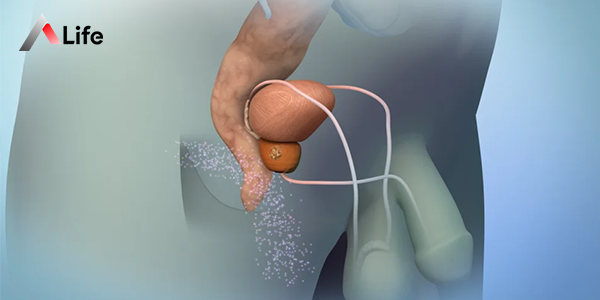
Prostate cancer surgery, or prostatectomy, is a surgical procedure performed to remove all or part of the prostate gland. This surgery is one of the most effective methods used in the treatment of prostate cancer.

Prostatectomy aims to completely remove cancerous cells and reduce the risk of disease recurrence. The surgery can be performed alone or in combination with other treatments such as radiotherapy, hormone therapy, and chemotherapy.

Prostatectomy_69c5c7a2.webp

Types of Prostate Cancer Surgery

Prostate cancer surgery can be performed using different techniques:

  • Radical Prostatectomy: Surgery performed to completely remove the prostate gland. It can be done using open, laparoscopic, or robotic methods.
  • Laparoscopic Prostatectomy: Surgery performed through small incisions in the abdominal area using a laparoscope (a thin tube with a camera and light source) and other surgical instruments to remove the prostate gland.
  • Robotic Prostatectomy: Similar to laparoscopic prostatectomy, but the surgeon controls a robotic arm to perform the surgery.

The choice of method depends on the patient’s condition, the surgeon’s experience, and the hospital’s facilities.

Before Prostate Cancer Surgery

Preparation Process:

Before the surgery, the patient’s overall health is evaluated and a series of tests are conducted. These tests may include blood tests, urine tests, imaging tests (ultrasound, CT, MRI), and a prostate biopsy.

Anesthesia:

Prostate cancer surgery can be performed under general anesthesia or spinal anesthesia. In general anesthesia, the patient is put to sleep, while in spinal anesthesia, the lower part of the body is numbed.

After Prostate Cancer Surgery

Recovery Process:

After the surgery, you may need to stay in the hospital for a few days. The recovery period varies from person to person, but generally lasts a few weeks. During this time, you can use painkillers and limit your activities according to your doctor’s recommendations.

Urinary Incontinence:

After prostate cancer surgery, temporary or permanent urinary incontinence may occur. This issue usually improves over time. Your doctor may recommend pelvic floor exercises and other treatments to reduce urinary incontinence.

Sexual Functions:

After prostate cancer surgery, sexual function problems such as erectile dysfunction or retrograde ejaculation (semen entering the bladder) may occur. These problems generally improve over time. Your doctor may suggest medications or other treatments to address sexual function issues.

Possible Complications:

Rare complications after prostate cancer surgery may include bleeding, infection, urinary tract strictures, lymphedema (swelling in the legs), and anesthesia-related complications.

What is Prostate Cancer?

Prostate cancer is a type of cancer that begins in the prostate gland in men. The prostate is a small gland located below the bladder that produces a portion of the semen. Prostate cancer is one of the most common types of cancer in men.

What Are the Symptoms of Prostate Cancer?

Prostate cancer often does not show symptoms in its early stages. As the disease progresses, the following symptoms may appear:

  • Frequent urination
  • Difficulty urinating
  • Weak urine flow
  • Blood in the urine
  • Blood in the semen
  • Bone pain (if cancer has spread to the bones)
  • Erectile dysfunction

Who Is Prostate Cancer Surgery Suitable For?

Prostate cancer surgery may be suitable for men in the following situations:

  • Men with early-stage prostate cancer
  • Men whose cancerous cells are confined to the prostate gland
  • Men with good overall health
  • Men who understand the risks and benefits of the surgery

Prostate Cancer Surgery Prices

The cost of prostate cancer surgery may vary depending on the type of procedure performed (radical, laparoscopic, or robotic), the surgeon's experience, the hospital's policies, and other factors. During the preoperative consultation, your surgeon will provide detailed information about the full cost of the surgery.

Prostate Cancer Surgery at A Life Health Group

A Life Health Group has a team of experienced urology surgeons specialized in prostate cancer surgery. We offer personalized treatment plans using the latest technology and methods. Our patients receive comprehensive support and follow-up services before and after surgery.

Advantages offered by A Life Health Group:

  • Experienced urology surgeons: Our expert and experienced surgeons determine the most suitable treatment method to help you regain your health.
  • Latest technology and methods: A Life Health Group uses the most advanced technology and techniques in prostate cancer surgery (such as laparoscopic prostatectomy and robotic surgery).
  • Personalized treatment plans: Each patient’s needs are different. Therefore, we create personalized treatment plans for our patients.
  • Comprehensive support and follow-up services: We provide thorough support and follow-up care before and after surgery.
  • Comfortable and safe environment: All procedures are performed in a modern and comfortable setting. The safety and comfort of our patients are our top priority.
Frequently Asked Questions - FAQ

1.How long does prostate cancer surgery take?
The duration of the surgery varies depending on the type and method of the procedure. It usually takes 2-4 hours.

2.How long will I stay in the hospital after prostate cancer surgery?
The length of hospital stay depends on the type of procedure and the recovery process. Generally, it ranges from 1 to 3 days.

3.Will I experience pain after prostate cancer surgery?
Some pain is normal after surgery. This pain can be controlled with painkillers.

4.What should I pay attention to after prostate cancer surgery?
Follow your doctor’s recommendations, drink plenty of fluids, avoid heavy lifting, and attend all follow-up appointments.

5.Will I experience urinary incontinence after prostate cancer surgery?
You may experience temporary urinary incontinence. This problem usually improves over time.

6.How will my sexual life be affected after prostate cancer surgery?
You may experience erectile dysfunction for a period after surgery. However, this problem usually improves over time.

7.Will cancer recur after prostate cancer surgery?
The risk of recurrence depends on the type and stage of the cancer. Your doctor can provide more information on this.

8.Can I return to work after prostate cancer surgery?
Depending on your recovery, you may be able to resume work within a few weeks.

At A Life Health Group, we have a specialized team experienced in prostate cancer surgery and other urological procedures. You can contact us for your health needs.

Prepared by A Life Medical Editorial Board.

Last Updated: 6 Kasım 2025 14:05

Publish Date: 25 Nisan 2024 10:13

Prostate Cancer Surgery (Prostatectomy)

Quick Application Form

Please fill in the fields below so that we can reach you

Related Departments
Related Doctors
Mustafa Kemal Atikeler
Prof. Dr. Mustafa Kemal Atikeler

Urology

Similar Contents

Do you need help?

We are here for all your questions and problems 24/7.