

6 Effective Ways to Treat Cracked Heels

What Is a Cracked Heel?

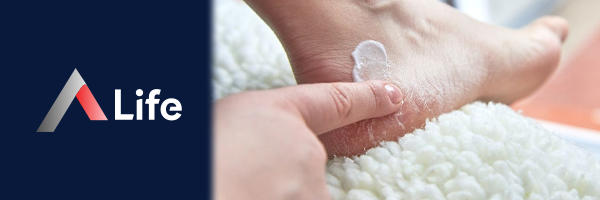
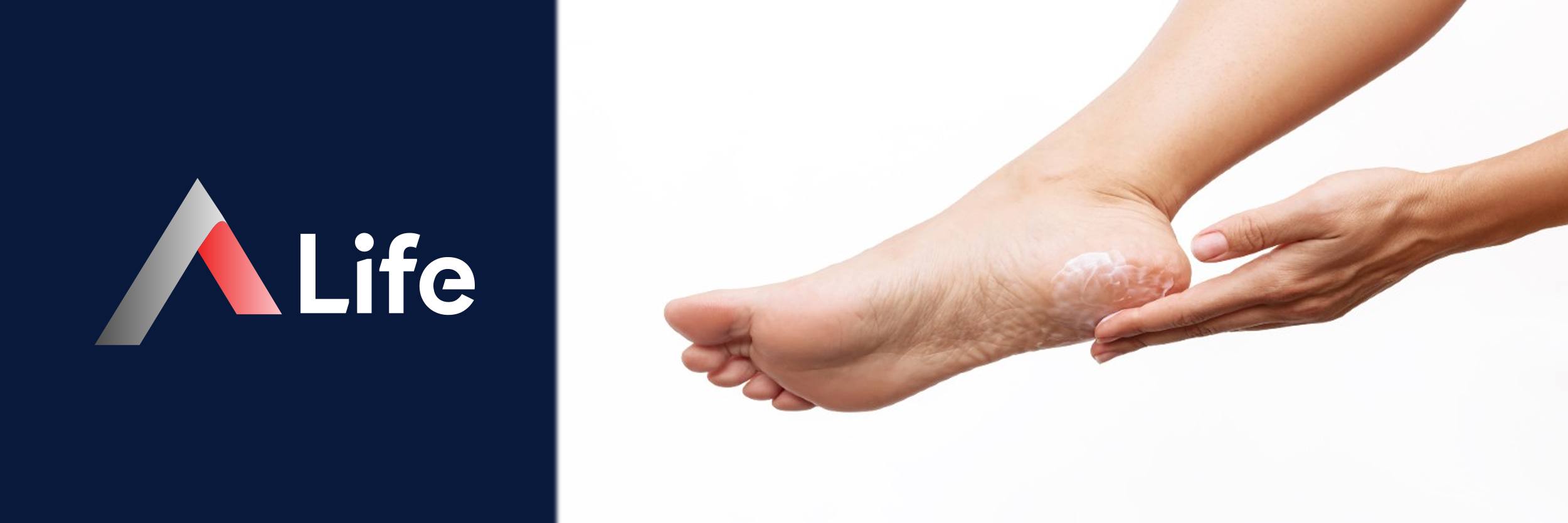
A cracked heel occurs when the skin on the heel becomes dry, thickened, and loses its elasticity, leading to the formation of cracks and fissures. These cracks can be superficial or, in more severe cases, extend deeper into the underlying soft tissues, increasing the risk of infection.
Cracked_Heels_bec2a482.webp

What Causes Cracked Heels?

Cracked heels are often due to simple reasons but can sometimes indicate underlying health conditions. The most common causes include:

  • Dry Skin: Insufficient moisturization
  • Improper Footwear: Non-supportive soles
  • Prolonged Standing: Walking or standing on hard surfaces for long periods
  • Obesity: Excessive pressure on the soles
  • Inadequate Water Intake: Loss of skin elasticity
  • Eczema and Psoriasis: Chronic skin diseases
  • Diabetes: Predisposition to circulation and skin problems

What Are the Symptoms of Cracked Heels?

Cracked heels usually present with the following symptoms:

  • Noticeable dryness and flaking of the skin
  • Thickened and hardened skin around the heel
  • Pain while walking
  • Deep cracks and fissures
  • Bleeding and inflammation over time

6 Effective Ways to Treat Cracked Heels

Cracked heels are not only a cosmetic concern but can also develop into serious health problems over time. Although often neglected, cracked heels can cause walking difficulties, infection risks, and chronic pain. So, how can you prevent and treat heel cracks? Here are 6 effective methods recommended by A Life Health Group!

Moisturizing and Proper Care

Regular moisturizing is the most essential step in treating cracked heels. The skin must regain its lost moisture and elasticity.

Recommended Products:

  • Creams containing urea: Provide intense hydration
  • Vaseline: Prevents water loss
  • Shea butter and coconut oil: Natural moisturizers
  • Aloe vera: Has soothing properties

How to Moisturize Properly:

  • Apply after a warm shower when skin is soft
  • Apply a thick layer before bedtime
  • Wear cotton socks overnight to lock in moisture

Exfoliation and Dead Skin Removal

Cracked heels are often covered with thick, hardened skin that prevents moisturizers from penetrating deeply. Therefore, regular exfoliation and heel filing are necessary.

Effective Exfoliation Methods:

  • Gently filing with a pumice stone
  • Natural scrub with lemon and sugar
  • Heel peeling masks available at pharmacies

Note: Always moisturize after exfoliation.

Warm Water and Natural Oil Soaks

One of the most effective ways to soften the heels is through warm water soaks. These help to soften hardened skin and prepare it for better absorption of moisturizers.

DIY Heel Soak Recipe:

  • Fill a basin with warm water
  • Add apple cider vinegar or baking soda
  • Soak feet for 15–20 minutes
  • Gently file and moisturize afterward

Choosing the Right Footwear

One of the most common causes of cracked heels is wearing improper footwear. Open-backed sandals and flat shoes increase pressure on the heel area and worsen the cracks.

Tips for Shoe Selection:

  • Choose models with heel support
  • Use orthopedic insoles if needed
  • Opt for breathable materials
  • Avoid shoes that are too tight or too loose

Nutritional Support and Hydration

Skin health should be supported both externally and internally. Poor nutrition and dehydration are key contributors to cracked heels.

Foods That Help Heal Cracked Heels:

  • Omega-3 sources: Salmon, walnuts, flaxseed
  • Vitamin C: Supports collagen production
  • Zinc: Promotes skin regeneration
  • B vitamins: Accelerate cell renewal

Drinking at least 2–2.5 liters of water daily is vital for maintaining skin hydration.

Medical and Professional Support

Home treatments may help mild to moderate cracks, but for bleeding, infected, or deep fissures, a dermatologist or podiatrist consultation is essential.

Possible Medical Treatments:
  • Professional callus care
  • Advanced hydration therapies
  • Laser or cryotherapy for hardened tissue removal
  • PRP treatments for heel rejuvenation
  • Antibiotic therapy (in case of infection)
Tips to Prevent Cracked Heels
  • Make moisturizing a daily habit
  • Avoid walking barefoot on hard surfaces for long periods
  • Pay attention to nutrition and hydration
  • Do not neglect foot care during seasonal changes
  • Prioritize quality when choosing footwear
Tips_to_Prevent_Cracked_Heels_cbccfbc1.webp
Professional Heel Care and Treatment Services from A Life Health Group

A Life Health Group provides personalized solutions for cracked heel treatment with an experienced team in foot health and dermatology, using state-of-the-art technology.

  • Comprehensive foot examination
  • Skin analysis and moisture measurement
  • Medical heel care and exfoliation treatments
  • Personalized moisturizing and nutrition recommendations
  • Advanced treatment methods when necessary

You can contact A Life Health Group to protect your foot health, permanently resolve cracked heels, and obtain detailed information.

Prepared by A Life Medical Editorial Board.

Last Updated: 6 Kasım 2025 14:05

Publish Date: 24 Nisan 2024 17:56

6 Effective Ways to Treat Cracked Heels

Quick Application Form

Please fill in the fields below so that we can reach you

Related Departments
Related Doctors
Mustafa Naci Çelikkan
Spec. Dr. Mustafa Naci Çelikkan

Dermatology

Fehmi Cihan Dikiş
Spec. Dr. Fehmi Cihan Dikiş

Dermatology

Sevgi Sönmezer
Spec. Dr. Sevgi Sönmezer

Dermatology

Similar Contents

Do you need help?

We are here for all your questions and problems 24/7.