


 TR Türkçe
 EN English
 0 (850) 888 54 33


 E-Appointment
 E-Appointment
  E-Result
In the early stages of esophageal cancer, symptoms usually do not appear. As the disease progresses, the following symptoms may occur:
- Difficulty swallowing (dysphagia)
- Weight loss
- Chest pain
- Hoarseness
- Chronic cough
- Vomiting
- Hiccups
- Indigestion


Esophageal cancer, or cancer of the esophagus, is a type of cancer that begins in the esophagus. The esophagus is a muscular tube about 25 cm long that carries food from the mouth to the stomach. Esophageal cancer starts in the cells lining the esophagus and can gradually spread to surrounding tissues.
Esophageal cancer is one of the most common cancers worldwide and is more prevalent in men than women. Early diagnosis and treatment increase the chances of recovery.
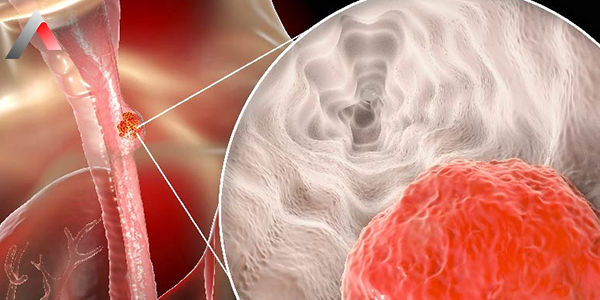
Esophageal cancer surgery, or esophagectomy, is a surgical procedure to remove all or part of the esophagus. This surgery is one of the most effective methods used in the treatment of esophageal cancer.
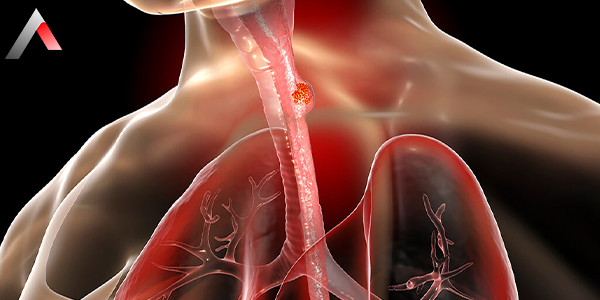
Esophageal cancer surgery can be performed using two different methods:
The choice of method depends on the patient’s condition, tumor location, the surgeon’s experience, and the hospital’s capabilities.
Like any surgical procedure, esophageal cancer surgery carries certain risks. These risks may include infection, bleeding, lung problems, hoarseness, swallowing difficulties, and anesthesia-related complications. However, these complications are rare, and the risk is lower when the surgery is performed by an experienced surgeon.
Nutrition:
In the first few days after surgery, you may consume only liquid foods. Gradually, you can transition to solid foods. Your doctor or dietitian will create a suitable nutrition plan for you.
Recovery Process:
You may need to stay in the hospital for a few days after surgery. Recovery time varies from person to person but generally lasts a few weeks. During this period, you can use pain relievers and should limit your activities according to your doctor's recommendations.
Lifestyle Changes:
After esophageal cancer surgery, certain lifestyle changes may be necessary. These include quitting smoking and alcohol, maintaining a healthy diet, and engaging in regular exercise.
Esophagus cancer surgery prices may vary depending on the type of surgery, the surgeon's experience, the hospital's policy, and other factors.
Esophagus cancer life expectancy varies depending on the stage of the cancer, the patient's overall health, and response to treatment. Patients diagnosed and treated at early stages have a higher life expectancy.
A Life Health Group has a team of experienced general surgery specialists specialized in the diagnosis and treatment of esophagus cancer. We provide personalized treatment plans using the latest technology and methods. We offer comprehensive support and follow-up services to our patients before and after surgery.
Advantages offered by A Life Health Group:
We are by your side in the fight against esophagus cancer with A Life Health Group!
Last Updated: 6 Kasım 2025 14:05
Publish Date: 25 Nisan 2024 10:11

Please fill in the fields below so that we can reach you
We are here for all your questions and problems 24/7.






 0 (850) 888 54 33
 WhatsApp
 E-Appointment