How to Lose Belly Fat?

What Is Belly Fat?

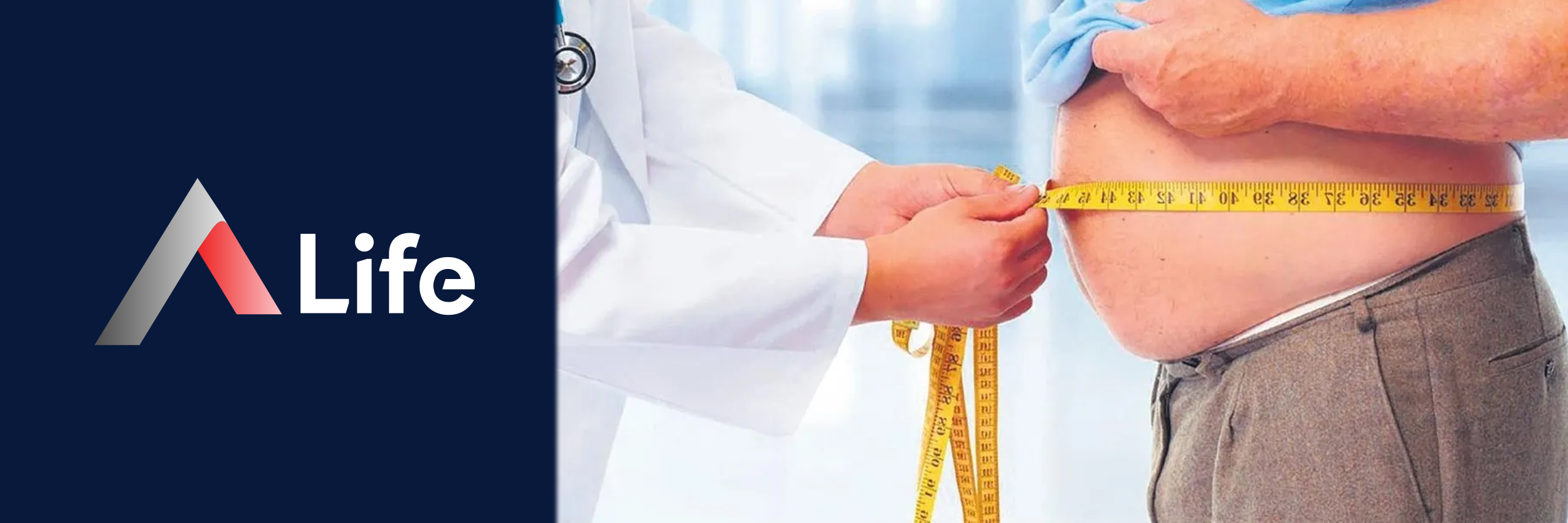
Belly fat is defined as excessive fat accumulation in the abdominal area and may occur due to various factors such as genetic predisposition, lifestyle, and hormonal influences. Also known as “apple-shapedobesity, this condition increases the risk of visceral fat accumulation around internal organs and is therefore particularly dangerous. It can lead to serious health problems such as insulin resistance, cardiovascular diseases, and metabolic syndrome. For this reason, the waist-to-hip ratio should be kept below 1.0 in men and 0.8 in women, while waist circumference should remain under 102 cm in men and 88 cm in women.


How_to_Lose_Belly_Fat._6a23e7c2.webp

Causes of Belly Fat

  • Genetic Predisposition: Genetic traits inherited from family can increase susceptibility to regional fat accumulation.
  • Unhealthy Diet: Excessive consumption of high-calorie, fatty, and sugary foods.
  • Sedentary Lifestyle: Low levels of physical activity reduce fat burning.
  • Hormonal Changes: Especially during menopause, hormonal fluctuations in women can lead to fat accumulation.
  • Stress: High stress levels increase the cortisol hormone, which contributes to fat storage.
  • Insulin Resistance: When the body becomes resistant to insulin, fat storage increases.

Risks of Belly Fat

  • Cardiovascular Diseases: Increases the risk of conditions such as heart attack and stroke.
  • Type 2 Diabetes: Raises the risk of diabetes by leading to insulin resistance.
  • Metabolic Syndrome: A combination of high blood pressure, high cholesterol, insulin resistance, and belly fat.
  • Fatty Liver Disease: Accumulation of fat in the liver.
  • Sleep Apnea: Breathing interruptions during sleep.
  • Certain Types of Cancer: Such as colon, breast, and kidney cancer.

What Causes Belly Fat?

Belly fat is characterized by excessive fat accumulation in the abdominal area and can result from various factors. Genetic predisposition and hereditary diseases may lay the groundwork for this condition. In addition, poor dietary habits and a sedentary lifestyle are the main contributors to fat buildup around the waist and internal organs. Specifically, simple carbohydrates (white flour and its products, corn, sweets, sugar, rice), saturated fats (animal fats), and excessive alcohol consumption are key dietary factors that trigger belly fat.

Factors Contributing to Belly Fat

Genetic Factors:

  • Familial predisposition

  • Genetic disorders

Poor Diet:

  • High intake of simple carbohydrates

  • Excessive consumption of saturated fats

  • High consumption of sugary foods

  • Excessive alcohol consumption

Sedentary Lifestyle:

  • Lack of physical activity

  • Prolonged sitting

Health Risks of Belly Fat

  • Insulin Resistance
  • Cardiovascular Diseases
  • Metabolic Syndrome
  • Fatty Liver

How to Get Rid of Belly Fat?

Getting rid of belly fat is important both aesthetically and for health. Fat accumulation in the abdominal area not only affects our appearance but also increases the risk of serious health problems such as cardiovascular diseases, type 2 diabetes, and metabolic syndrome. Therefore, taking effective steps to reduce belly fat is essential for a healthy life.

Ways to Lose Belly Fat

  • Regular Exercise:
    • Cardio Exercises: Activities like walking, running, swimming, and dancing support calorie burning and fat loss. It is recommended to perform at least 150 minutes of moderate-intensity or 75 minutes of high-intensity exercise per week.

    • Strength Training: Increases muscle mass, speeds up metabolism, and facilitates fat burning. Exercises targeting abdominal muscles (e.g., planks, crunches) help burn fat in this area more effectively.

  • Healthy Nutrition:
    • Fiber-Rich Foods: Vegetables, fruits, whole grains, and legumes regulate digestion, increase satiety, and prevent overeating.

    • High-Protein Diet: Protein supports muscle building and increases satiety. Good protein sources include lean meats, fish, chicken, eggs, dairy products, nuts, and legumes.

    • Complex Carbohydrates: Prefer complex carbs (whole grains, vegetables) over simple carbs to maintain stable blood sugar and sustained energy levels.

    • Healthy Fats: Consuming unsaturated fats (olive oil, avocado, nuts) ensures healthy fat intake and enhances satiety. Avoid trans fats and saturated fats (red meat, certain dairy products).

    • Reduce Sugar and Processed Foods: Sugary drinks, sweets, pastries, and processed foods are high in calories and low in nutrients, contributing to fat accumulation. Their consumption should be limited.

Consume Fiber-Rich Foods

Eating fiber-rich foods plays an important role in losing belly fat by improving digestive health and increasing satiety. Soluble fibers, in particular, form a gel-like consistency when they come into contact with water, slowing digestion and helping regulate blood sugar. This reduces insulin resistance and prevents fat accumulation in the abdominal area. Fiber-rich foods such as oats, legumes, apples, pears, and flaxseeds contribute to burning belly fat and maintaining a healthy body composition.

Benefits of Fiber-Rich Foods:

  • Improves Digestive Health: Fibers regulate bowel movements, prevent constipation, and support a healthy digestive system.
  • Increases Satiety: Fibers keep the stomach full for longer, reducing overeating and aiding in weight control.
  • Balances Blood Sugar: Soluble fibers slow sugar absorption, preventing rapid spikes and drops in blood sugar, which is especially important for individuals with insulin resistance.
  • Reduces Insulin Resistance: Fiber-rich foods enhance insulin sensitivity, helping decrease insulin resistance.
  • Supports Fat Burning: Fibers reduce fat absorption and boost metabolism, aiding fat loss.

Sources of Fiber-Rich Foods:

  • Grains: Whole wheat bread, oats, bulgur, rye
  • Legumes: Lentils, chickpeas, beans, peas
  • Fruits: Apples, pears, bananas, strawberries, pomegranate
  • Vegetables: Broccoli, cauliflower, carrots, peas, spinach
  • Nuts and Seeds: Flaxseeds, chia seeds, almonds, walnuts

Nutrition Tips:

  • Include fiber-rich foods in your meals to increase daily fiber intake.
  • Drink enough water alongside fiber-rich foods.
  • Gradually increase fiber intake to prevent digestive issues.

Engage in Regular Exercise

Regular physical activity is vital for overall health and losing belly fat. Combining cardiovascular exercises (walking, running, cycling, swimming) with resistance training (weight lifting, bodyweight exercises) is one of the most effective ways to burn abdominal fat. Performing at least 150 minutes of moderate-intensity or 75 minutes of high-intensity cardio per week not only helps reduce belly fat but also prevents potential health problems.

Effects of Exercise on Belly Fat:

  • Calorie Burning: Cardio exercises increase calorie expenditure, reducing fat stores in the body.
  • Boosts Metabolism: Regular exercise raises basal metabolic rate, helping the body burn more calories even at rest.
  • Increases Muscle Mass: Resistance training builds muscle, accelerates metabolism, and facilitates fat loss.
  • Maintains Hormonal Balance: Exercise enhances insulin sensitivity and lowers cortisol (stress hormone) levels, reducing abdominal fat.

Exercise Recommendations:

Cardio Exercises:

  • Perform at least 150 minutes of moderate-intensity (brisk walking, cycling) or 75 minutes of high-intensity (running, interval training) cardio per week.
  • Choose cardio activities you enjoy to stay motivated.

Resistance Training:

  • Do exercises targeting all major muscle groups 2–3 times a week.
  • Include abdominal exercises (planks, sit-ups, crunches) in your routine.
  • Maintain proper form when lifting weights.

Combined Exercise Program:

  • Create a program that includes both cardio and resistance exercises.
  • Vary exercises to work different areas of the body.
  • Stay consistent with your exercise routine.

Adopt a Healthy Eating Program

Creating a balanced and nutritious diet is crucial for burning belly fat and maintaining a healthy body. A meal plan that includes vegetables, fruits, whole grains, lean proteins, and healthy fats supports weight management and overall health. Additionally, portion control and regular meals help prevent excessive calorie intake, aiding in the reduction of abdominal fat.

Key Principles of a Healthy Eating Program:

  • High-Fiber Foods:

    • Consume vegetables, fruits, whole grains, and legumes to regulate digestion and increase satiety.

  • Lean Proteins:

    • Sources like chicken, fish, turkey, eggs, and legumes help preserve muscle mass and boost metabolism.

  • Healthy Fats:

    • Healthy fats from avocado, olive oil, nuts, and seeds enhance satiety and support hormonal balance.

  • Complex Carbohydrates:

    • Choose whole grains, sweet potatoes, and brown rice instead of white bread, white rice, and sugary foods.

  • Avoid Sugar and Processed Foods:

    • Limit sugary drinks, sweets, ready-made foods, and processed snacks that are high in calories but low in nutrients.

  • Portion Control:

    • Manage meal portions to prevent excessive calorie intake.

  • Regular Meals:

    • Eat three main meals and two snacks per day to maintain stable blood sugar levels and regulate metabolism.

  • Adequate Water Intake:

    • Drink at least 8 glasses of water daily to boost metabolism and help detoxify the body.

Dietary Recommendations:

  • Plan your meals and keep healthy snacks available.
  • Eat slowly to increase the feeling of fullness.
  • Flavor meals with herbs and spices to reduce calorie intake.
  • Limit alcohol consumption.

Avoid Carbohydrate- and Sugar-Rich, Fatty Processed Foods

Making changes in dietary habits is crucial for reducing belly fat and achieving a healthy body composition. Refined carbohydrates and sugary foods cause rapid spikes in blood sugar, increasing insulin levels. High insulin levels particularly promote fat storage in the abdominal area. Additionally, processed foods containing trans fats trigger inflammation in the body, further contributing to fat accumulation around the belly. Therefore, avoiding foods like white bread, sugary drinks, packaged snacks, and fast food is an effective strategy for reducing abdominal fat.

Dangers of Refined Carbohydrates and Processed Foods:

  • Raises Blood Sugar: Refined carbohydrates and sugary foods cause rapid spikes in blood sugar, increasing insulin levels.
  • Increases Fat Storage: High insulin levels encourage fat accumulation, especially in the abdominal region.
  • Causes Inflammation: Processed foods with trans fats promote inflammation, leading to more belly fat.
  • Low Nutritional Value: These foods are usually low in nutrients, reduce satiety, and can lead to overeating.

Foods to Avoid:

  • Refined Carbohydrates: White bread, white rice, pasta, pastries, cakes, cookies
  • Sugary Foods: Sugary drinks, desserts, cakes, jams, syrups
  • Processed Foods: Fast food, packaged snacks, chips, ready meals
  • Trans Fats: Fried foods, margarine, certain packaged products

Dietary Recommendations:

  • Choose whole grains (whole wheat bread, brown rice, bulgur) instead of refined carbohydrates.
  • Drink water, herbal teas, or unsweetened beverages instead of sugary drinks.
  • Opt for fresh fruits and vegetables, nuts, or yogurt as healthy snacks instead of processed foods.
  • Prepare meals at home to control ingredients and ensure healthier options.
Stay Away from Stress

Chronic stress causes consistently high levels of the hormone cortisol in the body, which promotes fat storage in the abdominal area. Elevated cortisol levels can increase appetite, leading to overeating and weight gain. Therefore, practicing stress management techniques can help lower cortisol levels and reduce belly fat. Meditation, yoga, and deep breathing exercises are effective methods to decrease cortisol levels.

Effects of Stress on Belly Fat:

  • Increased Cortisol: Chronic stress causes continuous high secretion of cortisol.
  • Fat Storage: High cortisol levels promote fat accumulation, especially in the abdominal region.
  • Increased Appetite: Stress can increase appetite, leading to overeating and weight gain.

Stress Management Techniques:

  • Meditation: Regular meditation calms the mind and reduces stress levels.
  • Yoga: Yoga provides physical and mental relaxation, helping to reduce stress.
  • Deep Breathing Exercises: Deep breathing activates the parasympathetic nervous system, reducing stress.
  • Regular Exercise: Exercise stimulates endorphin release, reducing stress and improving mood.
  • Sleep Routine: Adequate and quality sleep helps maintain balanced cortisol levels.
  • Hobbies and Social Activities: Spending time on enjoyable activities and maintaining social connections effectively reduce stress.
Pay Attention to Your Sleep Routine

Adequate and quality sleep is a cornerstone of a healthy life and plays a crucial role in losing belly fat. Insufficient or poor-quality sleep negatively affects metabolism and disrupts the balance of hormones that regulate appetite (leptin and ghrelin). This imbalance can lead to weight gain, particularly abdominal fat accumulation. Getting 7–9 hours of quality sleep each night helps balance hormones, supports weight control, and contributes to reducing belly fat.

Effects of Sleep on Belly Fat:

  • Slows Metabolism: Insufficient sleep slows down metabolism, reducing calorie burn.
  • Disrupts Hormone Balance: Lack of sleep increases ghrelin (appetite-stimulating hormone) and decreases leptin (satiety hormone).
  • Increases Cortisol Levels: Sleep deprivation raises cortisol, the stress hormone, promoting fat storage in the abdominal area.
  • Raises Insulin Resistance: Poor sleep reduces insulin sensitivity, which can increase belly fat.

Tips for Quality Sleep:

  • Regular Sleep Schedule: Go to bed and wake up at the same time every day to regulate your body’s biological clock.
  • Optimal Sleep Environment: Sleep in a dark, quiet, and cool room.
  • Avoid Screens: Stay away from phones, tablets, and computers at least an hour before bedtime.
  • Limit Caffeine and Alcohol: Avoid caffeine and alcohol intake before sleep.
  • Relaxing Activities: Engage in relaxing activities before bed, such as a warm shower, reading, or meditation.
  • Regular Exercise: Exercise improves sleep quality, but avoid exercising immediately before bedtime.
Consume Fat-Burning Herbal Teas

Certain herbal teas can support the process of losing belly fat by boosting metabolism and promoting fat burning. Green tea, in particular, provides these benefits thanks to its catechin content. However, it is important to remember that herbal teas are not a miracle solution. When consumed as part of a balanced diet and regular exercise program, they can help reduce belly fat.

Effects of Herbal Teas on Fat Burning:

  • Boosts Metabolism: Some herbal teas contain compounds that speed up metabolism, increasing calorie burning.
  • Supports Fat Breakdown: Compounds like catechins promote the breakdown of fat cells and their use as energy.
  • Appetite Control: Certain herbal teas can help suppress appetite, preventing overeating.

Herbal Teas That Support Fat Burning:

  • Green Tea: Contains catechins and caffeine, accelerates metabolism, and supports fat burning.
  • Oolong Tea: A type of tea between green and black tea, known for boosting metabolism and fat burning.
  • Ginger Tea: Thermogenic effect accelerates metabolism and supports fat loss.
  • Mint Tea: Aids digestion, controls appetite, and indirectly supports weight management.
  • Hibiscus Tea: Antioxidant-rich, supports metabolism, and helps balance blood sugar.

Important Notes:

  • Herbal teas alone do not cause weight loss; they should be consumed alongside a healthy diet and exercise.
  • Effects may vary depending on individual body types.
  • Pregnant or breastfeeding women and individuals with chronic conditions should consult a doctor before consuming herbal teas.
Keep Blood Sugar Levels Stable

Sudden spikes and drops in blood sugar can increase hunger, leading to overeating and fat accumulation, particularly in the abdominal area. Consuming low glycemic index (GI) foods helps maintain stable blood sugar levels, aids appetite control, and contributes to reducing belly fat. Whole grains, legumes, vegetables, and certain fruits are among the low-GI foods and form the foundation of a healthy diet.

Effects of Blood Sugar on Belly Fat:

  • Sudden Hunger: Rapid drops in blood sugar trigger hunger, causing overeating.
  • Fat Storage: High insulin levels promote fat storage, especially in the abdominal area.
  • Energy Fluctuations: Sudden blood sugar changes cause energy swings, leading to fatigue and weakness.

Low Glycemic Index Foods:

  • Whole Grains: Whole wheat bread, oatmeal, bulgur, brown rice
  • Legumes: Lentils, chickpeas, beans, kidney beans
  • Vegetables: Broccoli, cauliflower, carrots, spinach, cucumber
  • Fruits: Apple, pear, strawberry, cherry, grapefruit
  • Nuts: Almonds, walnuts, hazelnuts
  • Seeds: Chia seeds, flax seeds

Nutrition Tips:

  • Include low-GI foods in your meals.
  • Prefer complex carbohydrates over simple ones.
  • Avoid sugary drinks and desserts.
  • Consume foods high in protein and fiber to increase satiety.
  • Choose low-GI snacks (nuts, fruits, yogurt) between meals.
Drink Water Regularly Every Day

Drinking at least 8 glasses of water daily is vital for a healthy metabolism and supporting the process of losing belly fat. Adequate water intake increases satiety, helping to prevent overeating, and assists in flushing out toxins from the body. It is important to remember that reducing belly fat requires a holistic approach that includes lifestyle changes rather than relying on a single method. Balanced nutrition, regular physical activity, stress management, and sufficient sleep are the cornerstones of getting rid of belly fat.

Benefits of Water Consumption:

  • Boosts Metabolism: Adequate water intake accelerates metabolism and supports calorie burning.
  • Increases Satiety: Water fills the stomach, increasing the feeling of fullness and preventing overeating.
  • Flushes Out Toxins: Water helps kidneys and other organs function properly, aiding in toxin elimination.
  • Regulates Digestion: Water contributes to regular digestive system function.
  • Enhances Exercise Performance: Proper hydration improves performance during exercise and ensures muscles work effectively.

Lifestyle Changes:

  • Balanced Nutrition: Follow a diet rich in fiber, lean proteins, healthy fats, and complex carbohydrates.
  • Regular Exercise: Perform cardio and resistance exercises most days of the week.
  • Stress Management: Practice stress-reduction techniques such as meditation, yoga, or deep breathing.
  • Sufficient Sleep: Ensure 7-9 hours of quality sleep each night.
How to Follow a Belly-Fat Burning Diet

A belly-fat burning diet involves personalized nutrition strategies aimed at reducing fat in the abdominal area. One of the most important steps in this process is consuming food with proper chewing. Swallowing without sufficient chewing can overwork the digestive system, leading to bloating. Proper chewing not only facilitates digestion but also increases satiety with less food. Increasing water intake is another key factor that accelerates belly-fat loss. Hunger and thirst are often confused; therefore, drinking water regularly between meals and consuming 2–2.5 liters daily is essential.

How to Apply a Belly-Fat Burning Diet:

  • Personalized Nutrition Plan:
    • Since everyone’s daily routine, eating habits, and health conditions differ, the diet to reduce belly fat should be tailored individually.

    • A nutrition program should be prepared by a qualified dietitian according to the person’s specific needs.

  • Meal Structure:
    • Three main meals and one snack per day are suitable for balanced nutrition.

    • For early risers, three main meals and three snacks may be preferred.

    • Intermittent fasting can be an effective method in the belly-fat reduction process.

    • Different diet types such as Ayurvedic nutrition, ketogenic diet, and elimination diets can be applied under expert supervision and according to the patient’s health status.

  • Detox Programs:
    • Short 2–3 day detox programs aligned with lunar cycles (e.g., new moon and full moon) can support belly-fat reduction.

  • Proper Chewing:
    • Chewing food thoroughly aids digestion and increases the feeling of fullness.

  • Adequate Water Intake:
    • Drinking at least 2–2.5 liters of water daily boosts metabolism and helps eliminate toxins.

What Is the Easiest Way to Burn Belly Fat?

The easiest and most effective way to burn belly fat is to combine regular cardio exercises with abdominal workouts. Performing at least 150 minutes of moderate-intensity cardio exercise per week plays a critical role in reducing overall body fat. Walking, in particular, supports fat burning by increasing heart rate and accelerates the process of belly fat reduction. A 40-minute brisk walk daily is an ideal starting point to achieve this goal. Exercises that only target abdominal muscles, such as sit-ups, are not sufficient alone, but when combined with cardio, they help tighten the abdominal area and achieve a fit appearance. In situations where exercising at home is difficult, cardio exercise videos or apps available online can also be an effective alternative.

The Importance of Exercise in Belly Fat Reduction:

  • Cardio Exercises:
    • Activities such as walking, running, cycling, and swimming increase calorie burning.
    • They help reduce overall body fat.
    • They support heart and vascular health.
  • Abdominal Exercises:
    • Exercises such as sit-ups, planks, and crunches strengthen the abdominal muscles.
    • They help tighten and shape the abdominal area.
    • When performed together with cardio exercises, they accelerate the burning of fat in the abdominal region.
  • Home Exercise Options:
    • Cardio videos or apps accessible online make exercising at home easier.
    • There are many videos available online that demonstrate various abdominal exercises.
  • Exercise Recommendations:
    • Perform at least 150 minutes of moderate-intensity cardio exercise per week.
    • Do abdominal exercises 2–3 days a week.
    • Vary exercises to maintain your motivation.
    • Ensure proper form while exercising.
    • If exercising at home, use an appropriate space and equipment.
What Should a Belly Fat Burning Diet List Look Like?

A belly fat burning diet includes personalized nutrition plans aimed at reducing fat in the abdominal area. One of the most important steps in this process is sufficient water intake and proper eating habits. Consuming at least 3 liters of water daily speeds up metabolism and provides a feeling of fullness. By consulting your nutritionist, you can create a personalized diet program tailored to your daily routine and needs. Regular physical activity is an important factor that enhances the effectiveness of a belly fat burning diet. Activities such as 45 minutes of moderate-paced walking or yoga are recommended daily.

Basic Principles of a Belly Fat Burning Diet:

  • Sufficient Water Intake: Drinking at least 3 liters of water daily accelerates metabolism and helps eliminate toxins.
  • Personalized Nutrition Plan: A diet program should be prepared by a nutritionist according to the individual’s needs and lifestyle.
  • Regular Exercise: Activities such as 45 minutes of moderate-paced walking or yoga should be performed most days of the week.
  • Morning Routine: Starting the day with 2 glasses of water and 1 tablespoon of apple cider vinegar supports digestion and speeds up metabolism (consult your doctor).

Sample Belly Fat Burning Diet Menu:

  • Breakfast:
    • Morning Hello Mix: 100 g celery stalk, 1 slice of lemon (peeled), a handful of parsley, 1 green apple, 1 small carrot (prepared by juicing or using a juicer).
  • Snack:
    • 10 raw hazelnuts + 1 cup of green tea (brewed for 3–4 minutes, can be flavored with lemon and Ceylon cinnamon).
  • Lunch:
    • 1 glass of coconut kefir + dill olive oil beet salad (or homemade low-salt beet pickles).
  • Snack:
    • 2 walnuts (soaked in 1 glass of water).
  • Dinner:
    • Zucchini spaghetti (2 small zucchinis, 1 tablespoon olive oil, turmeric, thyme, black pepper).

Important Notes:

  • This sample menu is a general guide and should be adapted according to individual needs.
  • A nutritionist should always be consulted before starting any diet program.
  • The belly fat burning diet should be adopted as part of a healthy lifestyle.
What Foods Help Burn Belly Fat?

In the process of burning belly fat, consuming the right foods plays an important role. Some superfoods can help reduce abdominal fat by boosting metabolism, supporting fat burning, and providing a feeling of fullness. Here are some effective foods you can include in your belly fat burning diet:

Foods That Help Burn Belly Fat:

  • Whole Grain Flours:
    • Thanks to their high fiber content, they prolong the feeling of fullness and help lower cholesterol.
    • Options such as buckwheat flour, spelt flour, rye flour, whole wheat flour, yellow wheat flour, and oat flour can be preferred.
    • Healthy recipes made with these flours should be consumed instead of refined flours.
  • Apple Cider Vinegar:
    • Balances stomach acid levels and supports fat burning.
    • Can be consumed 1–4 tablespoons per day, in salads or beverages.
    • Homemade and fermented apple cider vinegar is preferred.
  • Green Tea:
    • The phytochemicals it contains help burn fat in the abdominal area.
    • Can be consumed 2–3 cups per day.
    • Should be consumed on a full stomach and not steeped for long periods as it may cause palpitations.
    • Consult your doctor.
  • Coffee:
    • Caffeine helps boost metabolism and supports fat burning.
    • 1–2 cups of filtered coffee can be consumed per day.
    • Excess consumption should be avoided.
  • Turmeric:
    • The curcumin it contains reduces visceral fat and prevents inflammation.
    • Balances fat metabolism.
    • Can be consumed 1 teaspoon on a full stomach every evening.
    • Those with allergies or gallbladder issues should consume with caution.

Important Notes:

  • These foods alone do not produce miraculous results; they should be consumed together with a balanced diet and regular exercise.
  • Since everyone’s body structure is different, the effects of these foods may vary from person to person.
  • Those with chronic illnesses or who use regular medication should consult their doctor before consuming these foods.
Frequently Asked Questions About the Belly Fat Burning Diet
Frequently_Asked_Questions_About_the_Belly_Fat_Burning_Diet_0ef56c7d.webp
How to Burn Belly Fat?

To permanently get rid of belly fat, it is important to focus not only on targeted exercises but also on cardio exercises that work the entire body. Activities such as cycling, brisk walking, running, and Pilates increase heart rate and accelerate fat burning. However, exercise alone is not enough. Following a low-sugar and healthy nutrition plan plays a critical role in this process. Sufficient and quality sleep also supports fat burning by regulating metabolism. Remember, burning belly fat is a process that requires patience and consistency.

What to Eat to Reduce Belly Fat?

To lose belly fat and achieve a healthy abdominal area, it is important to review your eating habits. Foods that help reduce abdominal fat include high-fiber oats, protein-rich yogurt, green leafy vegetables rich in vitamins and minerals, healthy fats from seeds and avocado, omega-3-rich fish, filling eggs, and fiber-rich fruits (especially apples and pears). These foods accelerate metabolism, provide a feeling of fullness, and help regulate blood sugar levels. However, consuming these foods alone is not enough. Portion control and regular exercise also play a key role in burning belly fat.

Does Lemon Water Burn Belly Fat?

Lemon water alone does not burn belly fat, but it can support fat loss as part of a healthy lifestyle. Rich in vitamin C, lemon boosts metabolism and helps eliminate toxins from the body. Regular consumption of lemon water increases water intake, provides a feeling of fullness, and may help reduce calorie intake. However, a balanced diet and regular exercise are also necessary to lose belly fat. Lemon water serves as a natural aid that can enhance the effectiveness of this process.

Can Belly Fat Be Lost Without Exercise?

While exercise is not strictly necessary to lose belly fat, adopting healthy lifestyle habits is crucial. You can start by eliminating processed foods and establishing a balanced diet. Drinking plenty of water boosts metabolism and provides a feeling of fullness. Light activities, such as regular walks, support calorie burning. Stress management and quality sleep play a critical role in maintaining hormonal balance and preventing fat storage. Remember, patience and consistency are essential for lasting results.

What Burns Belly Fat the Fastest?

To burn abdominal fat most effectively, attention must be paid to both exercise and dietary habits. High-intensity cardio workouts, targeted abdominal exercises, and full-body functional training accelerate fat burning. In terms of nutrition, consuming fiber-rich foods (vegetables, fruits, whole grains), completely avoiding processed foods and sugary drinks, drinking green tea as an antioxidant source, and including protein-rich foods (chicken, fish, eggs) that support metabolism are essential. Remember, the most effective results require patience, consistency, and a holistic approach.

Prepared by A Life Medical Editorial Board.

Last Updated: 6 Kasım 2025 14:05

Publish Date: 24 Nisan 2024 17:48

How to Lose Belly Fat?

Quick Application Form

Please fill in the fields below so that we can reach you

Related Departments
Related Doctors
Similar Contents

Do you need help?

We are here for all your questions and problems 24/7.