
Thyroid Surgery

Thyroid Surgery

Thyroid surgery is the surgical removal of all or part of the thyroid gland. In medical terms, it is called thyroidectomy. This surgery is typically performed in cases of thyroid nodules, goiter, hyperthyroidism, or thyroid cancer.

Thyroid_Surgery_a8e178f1.webp

Thyroid Gland Surgery

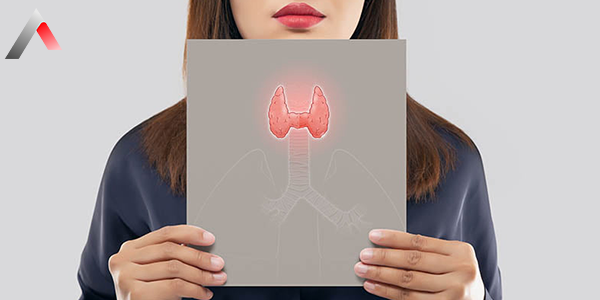
Thyroid gland surgery, known medically as thyroidectomy, is the surgical removal of all or part of the thyroid gland. The thyroid gland is a butterfly-shaped organ located at the front of the neck, which produces hormones that regulate your metabolism rate.

Thyroid Nodule Surgery

A thyroid nodule is an abnormal tissue growth in the thyroid gland. This growth can appear as a solid or fluid-filled lump. Thyroid nodules are quite common and are usually benign (non-cancerous). However, in some cases, they can be malignant (cancerous) or interfere with hormone production, leading to hyperthyroidism.

Thyroid Cancer Surgery

Thyroid cancer is a type of cancer that occurs when the cells in the thyroid gland grow uncontrollably. The thyroid gland is located at the front of the neck and produces hormones that regulate the body's metabolism. Thyroid cancer typically grows slowly and is treatable if detected early. Thyroid cancer surgery is the most commonly used method in the treatment of this cancer.

Types of Thyroid Surgery

  • Total Thyroidectomy: Removal of the entire thyroid gland.
  • Subtotal Thyroidectomy: Removal of a large portion of the thyroid gland.
  • Lobectomy: Removal of one lobe (half) of the thyroid gland.
  • Isthmectomy: Removal of a nodule in the thyroid gland.

Why Is Thyroid Surgery Performed?

  • Thyroid Cancer: Surgery is the most effective treatment for thyroid cancer.
  • Large Goiter: If the enlargement of the thyroid (goiter) causes breathing or swallowing difficulties, surgery may be necessary.
  • Hyperthyroidism: If hyperthyroidism (excessive hormone production) does not respond to medication, surgery might be considered.
  • Thyroid Nodules: Surgery may be required to remove thyroid nodules that are suspicious or cancerous as per biopsy results.
  • Cosmetic Reasons: A large and visible goiter may be cosmetically bothersome and can be corrected through surgery.

How is Thyroid Surgery Performed?

Thyroid surgery is typically performed under general anesthesia. An incision is made in the neck to access the thyroid gland, and the procedure is carried out. With the advancement of minimal invasive techniques (such as endoscopic or robotic surgery), the surgery can now be performed with smaller incisions and faster recovery times.

After Thyroid Surgery

  • You may need to stay in the hospital for a few days after the surgery.
  • You might experience symptoms such as neck pain, hoarseness, and difficulty swallowing.
  • Your doctor may prescribe painkillers and other medications.
  • If the entire thyroid gland is removed, you will need to take thyroid hormone medication for the rest of your life.

Risks of Thyroid Surgery

  • Bleeding
  • Infection
  • Damage to the nerves controlling the vocal cords (hoarseness)
  • Damage to the parathyroid glands (low calcium levels)

As A Life Health Group, we have a team of experienced general surgeons specialized in thyroid surgery. We offer comprehensive support and follow-up services to our patients before and after the surgery. For more information about thyroid surgery and to schedule an appointment with our experienced surgeons, please contact us.

Risk of Death in Thyroid Surgery

Thyroid surgery is a procedure that is generally performed with a high level of safety today. The risk of death is very low and is typically below 0.1%, meaning less than one in a thousand.

Preoperative Evaluation for Thyroid Surgery

Before surgery, your doctor will request some tests to assess the condition of your thyroid gland and determine whether surgery is necessary. These tests may include:

  • Physical Examination: Your doctor will palpate your thyroid gland and check for any swelling or nodules in your neck.
  • Blood Tests: Blood tests will be performed to measure thyroid hormone levels (TSH, T3, T4).
  • Ultrasound: An ultrasound will be done to obtain images of the thyroid gland and determine the size and number of nodules.
  • Biopsy: A biopsy may be conducted to determine whether suspicious nodules are cancerous.
  • Laryngoscopy: A laryngoscopy may be performed to evaluate the condition of the vocal cords.
Thyroid Nodule Surgery Cost

For detailed information about the cost of thyroid nodule surgery at A Life Health Group, you can visit our website or contact us through our communication numbers. We would be happy to provide you with a personalized price offer.

Post-Thyroid Surgery Recovery Process
  • After surgery, you may need to stay in the hospital for one night.
  • You may experience pain, swelling, and discomfort around the neck area.
  • Your doctor may prescribe pain relievers.
  • A scar will remain at the surgery site, but it will fade over time.
  • Hoarseness is usually temporary, but in some cases, it may be permanent.
  • If the entire thyroid gland is removed, you will need to take thyroid hormone medication for the rest of your life.
Recovery Time After Thyroid Surgery

The recovery process after thyroid surgery is usually quick and uncomplicated. However, the recovery time may vary depending on the type of surgery performed (total thyroidectomy, lobectomy, etc.), the patient's general health condition, and age.

Hospital Stay Duration:

  • Most patients stay in the hospital for 1-2 days after surgery.
  • If there are no complications, it may be possible to be discharged on the same day.
Things to Keep in Mind:
  • Follow your doctor's instructions.
  • Take your medications regularly.
  • Keep the wound clean and dry.
  • Avoid heavy lifting.
  • Limit neck movements.
  • Do not strain your voice.
  • Attend regular follow-up appointments with your doctor.
A Life and Thyroid Surgery

Thyroid surgery is the procedure where the entire thyroid gland or a part of it is removed. A Life Health Group has a team of expert general surgeons specialized in the surgical treatment of thyroid diseases. Surgeries are performed using advanced technology and modern techniques, with minimal invasive methods (such as endoscopic or robotic surgery), offering our patients benefits such as smaller incisions, less pain, and faster recovery times.

Thyroid Surgeries Performed at A Life:

  • Total Thyroidectomy: Removal of the entire thyroid gland.
  • Partial Thyroidectomy: Removal of a part of the thyroid gland.
  • Lobectomy: Removal of one lobe of the thyroid gland.
  • Isthmus Resection: Removal of the narrow part that connects the two lobes of the thyroid gland.

A Life Health Group is here to protect your thyroid health and offer the most appropriate treatment with its experienced surgeons, advanced technology, and patient-focused approach!

Frequently Asked Questions About Thyroid Surgery
Best Doctors for Thyroid Surgery

At A Life Health Group, we aim for the highest success rates in thyroid surgeries with the expertise and experience of our specialized endocrine surgeons.

For detailed information about thyroid surgery or other thyroid-related conditions, you can visit our website or contact us through our phone numbers to schedule an appointment.

If you are considering thyroid surgery, it is important to have a detailed consultation with your doctor to carefully evaluate the risks and benefits of the procedure. Additionally, factors such as the surgeon's experience, the hospital's infrastructure, and patient satisfaction should also be taken into consideration.

Which Doctor Performs Thyroid Surgery?

Thyroid surgery is performed by surgeons specialized in general surgery.

General surgeons are experts in endocrine glands (such as the thyroid, parathyroid, and adrenal glands). They may have more experience in thyroid surgeries and possess deeper knowledge in this field.

Best Thyroid Surgery Doctors in Ankara

As A Life Health Group, we aim for the highest success rate in thyroid surgeries with our expert and experienced general surgeons.

For detailed information about thyroid surgery or other thyroid conditions and to schedule an appointment, you can visit our website or contact us through our phone numbers.

How Long Does Thyroid Surgery Take?

The duration of thyroid surgery can vary depending on several factors. These factors include:

  • Type of Surgery: Whether it is a total thyroidectomy (removal of the entire thyroid gland), lobectomy (removal of one lobe), or a smaller procedure affects the duration.
  • Size and Condition of the Thyroid Gland: Conditions such as goiter may enlarge the thyroid, which can extend the surgery time.
  • Surgeon’s Experience: An experienced surgeon can complete the procedure more quickly and efficiently.
  • Patient’s Anatomy: Certain anatomical features can make the surgery more challenging and lengthen the duration.

In general, thyroid surgeries take between 1 and 3 hours.

More specifically:

  • Total Thyroidectomy: Usually takes 2-3 hours.
  • Lobectomy: Usually takes 1-2 hours.
  • Smaller procedures (e.g., isthmectomy): Can take less than 1 hour.

The exact duration depends on your specific condition. Your surgeon will provide detailed information about the surgery time and other details before the procedure.

What Size Thyroid Nodule Requires Surgery?

Whether a thyroid nodule requires surgery is not determined solely by its size. While the size of the nodule is an important factor, other factors such as ultrasound appearance, biopsy results, patient age, symptoms, and medical history are also considered together when deciding on surgery.

In general, the following criteria are considered for thyroid nodule surgery:

Nodule Size:

  • 4 cm and above: Surgery is generally recommended regardless of ultrasound or biopsy results. Nodules of this size may cause pressure symptoms (difficulty swallowing, shortness of breath, hoarseness) or cosmetic concerns.
  • 1–4 cm: Surgery is recommended if the ultrasound appearance is suspicious or if biopsy results indicate cancer or suspicion of cancer.
  • Smaller than 1 cm: Usually monitored, but a biopsy may be performed if the ultrasound appearance is highly suspicious or the patient has risk factors.
Can Women Who Have Had Thyroid Surgery Become Pregnant?

Yes, women who have had thyroid surgery can become pregnant. Having undergone thyroid surgery generally does not affect fertility. However, some important points should be considered.

Thyroid Surgery Prices

For detailed information about thyroid surgery prices at A Life Sağlık Grubu, you can visit our website or contact us via our communication numbers. We will be pleased to provide you with a personalized price quote.

Which Doctor Performs Thyroid Surgery?

A Life Health Group aims for the highest success rate in thyroid surgeries with its expert and experienced general surgeons. Our surgeons are specialized in thyroid surgeries and have high success rates.

For detailed information about thyroid surgery or other thyroid conditions and to schedule an appointment, you can visit our website or contact us via our communication numbers.

Hoarseness After Thyroid Surgery

Hoarseness after thyroid surgery is a significant complication that patients may experience. The nerves controlling the vocal cords (recurrent laryngeal nerves) are located very close to the thyroid gland. Therefore, during thyroid surgery, these nerves may be damaged or irritated, leading to hoarseness.

Blood Values After Thyroid Surgery

Blood values after thyroid surgery are important indicators to assess the patient’s recovery process and thyroid functions. Depending on the type of surgery (total thyroidectomy, lobectomy, etc.) and the patient’s condition, different blood tests may be requested.

Here are the main blood values monitored after thyroid surgery:

  • TSH (Thyroid Stimulating Hormone): A hormone produced by the pituitary gland that stimulates the thyroid to produce thyroid hormones (T3 and T4).
    • After total thyroidectomy: TSH levels increase because the body cannot produce thyroid hormones, prompting the pituitary gland to secrete more TSH.
    • In patients receiving levothyroxine therapy: TSH levels should be within the normal range.
  • Free T4 (Thyroxine): The main hormone produced by the thyroid gland, regulating the body’s metabolism.
    • After total thyroidectomy: T4 levels decrease because the body cannot produce thyroid hormones.
    • In patients receiving levothyroxine therapy: T4 levels should be within the normal range.
  • Free T3 (Triiodothyronine): A more active thyroid hormone derived from T4.
    • After total thyroidectomy: T3 levels decrease.
    • In patients receiving levothyroxine therapy: T3 levels are usually not measured, as levothyroxine contains T4, which is converted to T3 in the body.
  • Calcium: Blood calcium levels may decrease (hypocalcemia) if the parathyroid glands are damaged.
    • Symptoms of hypocalcemia: Numbness, tingling, muscle cramps
  • Thyroglobulin (Tg): A protein produced by the thyroid gland, used to detect cancer recurrence after thyroid cancer surgery.
  • Anti-TPO (Anti-Thyroid Peroxidase Antibody): Used in the diagnosis of autoimmune thyroid diseases, such as Hashimoto’s thyroiditis.
Neck Pain After Thyroid Surgery

Neck pain after thyroid surgery is a very common complaint and is generally not a cause for concern. This pain can have several causes and is usually temporary.

TSH Elevation After Thyroid Surgery

TSH elevation after thyroid surgery is a common situation and generally indicates that the thyroid gland is not producing enough hormone. This condition is called hypothyroidism.

TSH (Thyroid Stimulating Hormone) is produced by the pituitary gland in the brain and stimulates the thyroid gland to produce thyroid hormones (T3 and T4). After thyroid surgery, especially total thyroidectomy (removal of the entire thyroid gland), the body cannot produce sufficient thyroid hormone. In this case, the pituitary gland secretes more TSH to stimulate the thyroid, which leads to increased TSH levels in the blood.

Throat Swelling After Thyroid Surgery

Throat swelling after thyroid surgery is a common occurrence and generally not a cause for concern. There can be several reasons for this swelling:

Postoperative Edema:

  • During thyroid surgery, the tissues in the neck are manipulated, which can cause edema (swelling) as a natural inflammatory response.
  • This swelling is usually most pronounced during the first few days after surgery and decreases over time.
  • It may be accompanied by pain, tenderness, and difficulty swallowing.

Hematoma:

  • Bleeding can occur during or after surgery, and this accumulation of blood (hematoma) can cause swelling in the throat.
  • Hematomas are usually painful and may be associated with bruising.
  • Large hematomas can press on the windpipe, causing difficulty breathing.

Infection:

  • In rare cases, infection may develop at the surgical site, leading to swelling, redness, pain, and fever.

Lymphedema:

  • During surgery, lymph nodes or lymph vessels may be damaged, leading to accumulation of lymph fluid (lymphedema).
  • Lymphedema is characterized by swelling, tightness, and pain in the neck.
Difficulty Swallowing After Thyroid Surgery

Difficulty swallowing after thyroid surgery is a common issue experienced by patients. It is usually temporary and resolves on its own within a few days or weeks. However, in some cases, it may last longer or become permanent.

Numbness in Hands After Thyroid Surgery

Numbness in the hands after thyroid surgery may occur due to hypocalcemia, a possible complication of the surgery. Hypocalcemia is a condition in which calcium levels in the blood are low.

Calcium Deficiency After Thyroid Surgery

Calcium deficiency after thyroid surgery is called hypocalcemia and is one of the potential complications of the surgery. Directly behind the thyroid gland are the parathyroid glands. These glands produce parathyroid hormone (PTH), which regulates calcium levels in the blood. During thyroid surgery, the parathyroid glands may be inadvertently damaged or their blood flow temporarily disrupted. This can lead to reduced PTH production and hypocalcemia.

After Papillary Thyroid Cancer Surgery

The postoperative period following papillary thyroid cancer surgery is important in terms of recovery and potential complications. The success of the surgery and the patient's quality of life depend on the precautions taken and the treatment applied during this period.

Prepared by A Life Medical Editorial Board.

Last Updated: 6 Kasım 2025 14:05

Publish Date: 25 Nisan 2024 10:13

Thyroid Surgery

Quick Application Form

Please fill in the fields below so that we can reach you

Related Departments
Related Doctors
Similar Contents

Do you need help?

We are here for all your questions and problems 24/7.