



 TR Türkçe
 EN English
 0 (850) 888 54 33


 E-Appointment
 E-Appointment
  E-Result
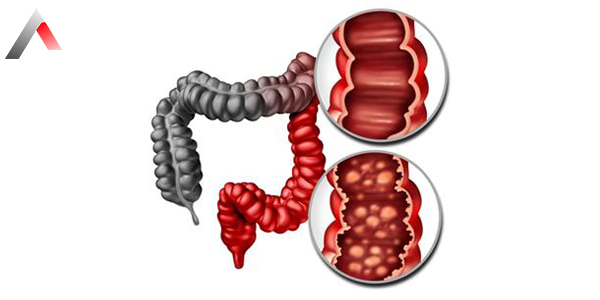
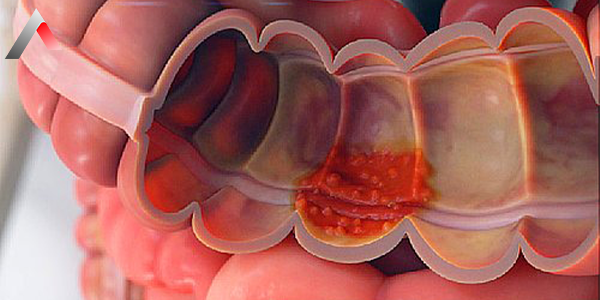
Nutrition for ulcerative colitis patients is very important for managing symptoms. Each patient may react differently to various foods, but some general recommendations are as follows:
✅ Recommended Foods to Consume:
- Low-fiber foods: Banana, white rice, mashed potatoes, boiled vegetables
- Protein sources: Chicken, fish, eggs, yogurt
- Healthy fats: Olive oil, avocado
- Plenty of water: Sufficient water intake is necessary to prevent fluid loss.
❌ Foods to Avoid:
- Raw vegetables and legumes: May cause gas and bloating.
- Milk and dairy products: May increase symptoms in patients with lactose intolerance.
- Spicy and fatty foods: Can make digestion difficult.
- Caffeine and alcohol: May irritate the intestines.
2. Stress Management
Stress can trigger ulcerative colitis flare-ups. Therefore, stress management is very important.
- Yoga and meditation: Provides mental and physical relaxation.
- Breathing exercises: Helps reduce stress.
- Psychological support: A therapist or support groups can be consulted if needed.
3. Exercise and Physical Activity
- Low-intensity exercises like light walking, swimming, and pilates support bowel health.
- Avoid overly strenuous exercise.
4. Regular Doctor Check-ups
- Regular colonoscopy and biochemical tests should be performed to monitor disease progression.
- Side effects of medications should be monitored.
5. Social and Psychological Support
- Living with chronic diseases can be challenging at times. Communicating with family, friends, and support groups can provide psychological relief.
- Sharing experiences with other individuals living with ulcerative colitis can be beneficial.
Conclusion:
Living with ulcerative colitis can become quite comfortable when managed with discipline. The disease can be kept under control through nutrition, stress management, and regular follow-ups.




 0 (850) 888 54 33
 WhatsApp
 E-Appointment