
Stomach Surgery (Gastrectomy)

What Is Stomach Surgery (Gastrectomy)?

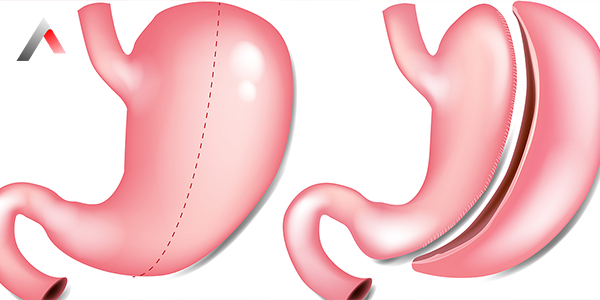
Stomach surgery, or gastrectomy, is a surgical procedure that involves removing all or part of the stomach. This surgery is typically performed for stomach cancer, peptic ulcer disease, or, in some cases, obesity treatment. Gastrectomy may be used to control the spread of stomach cancer or to treat the disease before removing the stomach.

Stomach surgery is usually performed in two main ways:

  • Total gastrectomy: In this procedure, the entire stomach is removed. The stomach is replaced by a connection called an anastomosis between the esophagus and the small intestine. This connection allows food to pass directly from the esophagus to the small intestine.
  • Partial gastrectomy: In this procedure, only the diseased part of the stomach, such as the portion affected by cancer or peptic ulcer, is removed. The remaining stomach is connected to the esophagus and small intestine.

After stomach surgery, the digestive system changes. In total gastrectomy, food passes directly from the esophagus to the small intestine, which can cause certain digestive issues. In partial gastrectomy, digestion is less affected since the stomach retains some of its functions.

Like any surgery, stomach surgery carries risks, including infection, bleeding, anesthesia-related complications, and digestive problems. Postoperative changes in diet and lifestyle may be required.

Gastrectomy is a major surgical procedure and is usually used as a last resort for treating serious stomach conditions. It is important to consult with a surgeon or specialist to discuss the procedure in detail and understand its risks and benefits.
What_Is_Stomach_Surgery__Gastrectomy__8a3175c7.webp

Why Is Stomach Surgery Performed?

Stomach surgery, or gastrectomy, can be performed for various reasons. Here are the common indications for stomach surgery:

  • Stomach cancer: Stomach cancer can be a significant reason for gastrectomy. The surgery aims to remove cancerous cells and the affected stomach tissue.
  • Peptic ulcer disease: Peptic ulcers are sores that develop on the inner lining of the stomach or duodenum. When medication fails or serious complications arise, gastrectomy may be considered.
  • Severe obesity: In individuals with extreme obesity, stomach surgery may be performed as bariatric surgery. These procedures can involve reducing the stomach’s volume or bypassing part of the stomach. These methods decrease food intake and promote weight loss.
  • Gastroesophageal reflux disease (GERD): When chronic acid reflux causes severe complications and medication is ineffective, gastrectomy may be considered. In this case, surgery can reduce pressure between the stomach and esophagus or partially/fully remove the stomach.
  • Barrett’s esophagus: Barrett’s esophagus is a condition resulting from long-term acid reflux, causing cellular changes in the lower esophagus. It increases the risk of stomach cancer, and in some cases, gastrectomy may be recommended.

Stomach surgery is a complex procedure, and each case should be evaluated based on the patient’s individual condition and the severity of the disease. The necessity and suitability of the surgery should be determined by a surgeon or specialist.

What Are the Benefits of Stomach Surgery?

Some potential benefits of stomach surgery include:

  • Treating cancer: In patients with stomach cancer, gastrectomy aims to remove cancerous cells and affected stomach tissue. In early-stage cancers, this surgery can help control the spread of cancer. When combined with postoperative chemotherapy or radiation therapy, the chances of successful cancer treatment increase.
  • Peptic ulcer treatment: Gastrectomy can be an effective option for peptic ulcer disease that cannot be treated with medication or leads to serious complications. Removing the affected stomach tissue allows ulcers to heal and reduces symptoms.
  • Obesity management: Stomach surgeries can promote weight loss in individuals with obesity. By reducing stomach volume or bypassing part of the stomach, food intake is decreased, facilitating weight loss. These surgeries can also improve obesity-related health issues such as diabetes, high blood pressure, and sleep apnea.
  • Reflux control: Gastrectomy can help control acid reflux in patients with severe gastroesophageal reflux disease (GERD). Surgery reduces pressure between the stomach and esophagus or partially/fully removes the stomach. This can alleviate reflux symptoms and prevent esophageal damage.
  • Risk reduction: Conditions like stomach cancer, peptic ulcers, and some obesity-related health problems can lead to serious complications. Stomach surgery can reduce these risks, improving overall health and quality of life.

Each patient’s situation is different, and the benefits and risks of stomach surgery should be evaluated individually. The advantages of the procedure are assessed by a surgeon or specialist based on the patient’s condition, disease progression, and potential complications.

The Importance of Nutrition for Patients Undergoing Stomach Surgery

Nutrition is a crucial factor for patients who have undergone stomach surgery. After surgery, the digestive system changes, and the ability to digest certain foods may decrease or alter. Proper nutrition is important to support the recovery process, meet dietary requirements, and reduce the load on the digestive system.

Here is why nutrition is important for patients undergoing stomach surgery:

  • Wound healing and tissue repair: After stomach surgery, the body needs adequate nutrients for wound healing and tissue repair. Nutrients such as protein, vitamins, minerals, and antioxidants support tissue regeneration and new cell formation. A sufficient and balanced diet can accelerate the recovery process.
  • Nutrient absorption and digestion: After surgery, digestion and nutrient absorption may be affected. Some nutrients may be harder to absorb. Therefore, the diet should include foods that facilitate digestion and enhance nutrient absorption. Methods such as small, frequent meals, chewing slowly, and thoroughly breaking down food can help.
  • Preventing nutrient deficiencies: Nutrient deficiencies may occur after stomach surgery. In total gastrectomy (complete removal of the stomach), the lack of digestive enzymes and stomach acid can reduce vitamin and mineral absorption. A nutrition plan should be carefully designed to prevent these deficiencies, and supplements may be necessary.
  • Weight management: Stomach surgery is often performed for obesity treatment, and postoperative weight loss is a goal. The nutrition plan should provide appropriate calories and a balanced diet to support weight management. A healthy and balanced diet helps maintain weight loss and achieve ideal body weight.
  • Overall health and quality of life: Proper nutrition supports overall health after stomach surgery and improves quality of life. It increases energy levels, strengthens the immune system, supports body functions, and reduces the risk of complications.

Postoperative nutrition may vary depending on the patient’s individual needs and the type of surgery. Therefore, it is important to have a personalized nutrition plan prepared by a nutritionist or dietitian.

Which Technology Is Used for Stomach Surgery?

Stomach surgery can generally be performed using traditional surgical techniques or minimally invasive surgery (laparoscopic surgery). The choice of technique depends on the patient’s condition, the purpose of the surgery, and the surgeon’s preference.

  • Traditional surgery: In traditional surgery, the surgeon makes an incision to perform the operation. In stomach surgery, a long incision is usually made to access the stomach. With this method, the surgeon can remove the entire stomach, the affected portion, or perform other necessary procedures.
  • Laparoscopic surgery: Laparoscopic surgery is a minimally invasive technique that uses smaller incisions. A thin tube with a camera called a laparoscope, along with surgical instruments, is used. The surgeon makes small incisions in the abdominal cavity, inserts the laparoscope, and performs the surgery while viewing the monitor. Laparoscopic surgery offers advantages such as less tissue damage, faster recovery time, and a lower risk of complications.
  • Robotic surgery: Robotic surgery is similar to laparoscopic surgery as a minimally invasive method. In this technology, the surgeon controls a robotic surgical system. The system provides the surgeon with more precise movement capabilities and three-dimensional visualization. Robotic surgery can be used in special cases or for complex procedures. However, it may not be suitable for every patient, and the surgeon’s experience and training are important.

The surgical technique used for stomach surgery depends on the patient’s condition, the goals of the surgery, and the surgeon’s expertise. In all cases, your surgeon will inform you about the most appropriate technique.

Alternative Treatments for Stomach Surgery

Stomach surgery is often the preferred option for treating serious diseases or managing obesity. However, in some cases, alternative treatments may be considered. These include:

  • Medication: Certain stomach conditions can be effectively treated with medication. For example, peptic ulcer disease can be managed with drugs that reduce stomach acid. Gastroesophageal reflux disease (GERD) can be treated with antacids, proton pump inhibitors, or H2 blockers. Medications can relieve symptoms and, in some cases, eliminate the need for surgery.
  • Endoscopic treatment: Endoscopic procedures can be used to treat certain conditions in the stomach or esophagus. For example, endoscopic techniques can cover ulcers or control bleeding in peptic ulcer disease. In Barrett’s esophagus, treatments such as radiofrequency ablation or photodynamic therapy may be performed endoscopically.
  • Diet and lifestyle changes: Diet and lifestyle modifications are important for improving stomach health or alleviating symptoms. For example, avoiding acidic, spicy, or fatty foods, remaining upright after meals, and maintaining healthy weight can reduce heartburn or GERD symptoms. A dietitian or nutrition specialist can help design an appropriate meal plan.
  • Alternative medicine treatments: Some people may try alternative medicine approaches for stomach health, such as herbal teas, probiotics, acupuncture, or reflexology, which are thought to relieve symptoms. However, more scientific evidence is needed regarding their effectiveness and safety. Consulting a specialist is important before trying these methods.

Stomach surgery is generally considered a last resort when alternative treatments fail or are not applicable. Each case is individual, and consulting a healthcare professional is crucial to determine the most suitable treatment option.

Prepared by A Life Medical Editorial Board.

Last Updated: 6 Kasım 2025 14:05

Publish Date: 25 Nisan 2024 10:13
Stomach Surgery (Gastrectomy)

Quick Application Form

Please fill in the fields below so that we can reach you

Related Departments
Related Doctors
Similar Contents

Do you need help?

We are here for all your questions and problems 24/7.