Stomach Ulcer Surgery

Comprehensive Guide to Stomach Ulcer Surgery

A stomach ulcer is a sore that occurs on the inner lining of the stomach, often causing pain. These sores usually develop as a result of tissue loss interacting with stomach acid. Stomach ulcers can significantly affect quality of life and may lead to more serious health problems if left untreated. In this article, we will provide detailed information about stomach ulcer surgery, its symptoms, diagnostic methods, surgical treatment options, and post-operative care.

What is a Stomach Ulcer?

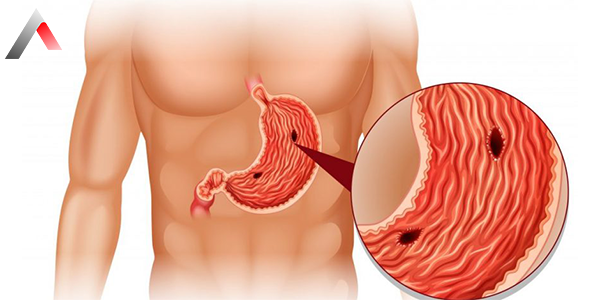
A stomach ulcer is a sore that occurs on the stomach lining and is generally considered within the scope of peptic ulcer disease. Stomach ulcers can also develop on the inner lining of the esophagus and the beginning of the small intestine. Peptic ulcers arise due to the effects of stomach acid, pepsin, and certain types of bacteria.

Stomach_Ulcer_abb31366.webp

Causes of Stomach Ulcers

The main causes of stomach ulcers are as follows:

  • Helicobacter pylori (H. pylori) Infection: This bacterium causes inflammation in the stomach lining and can increase the risk of ulcer formation.
  • Use of Painkillers: Painkillers such as non-steroidal anti-inflammatory drugs (NSAIDs) can trigger the formation of new stomach ulcers.
  • Alcohol and Smoking: Alcohol and smoking can increase stomach acid secretion and promote ulcer development.
  • Stress and Unhealthy Diet: Excessive stress and an unbalanced diet can disrupt the balance of stomach acid, increasing the risk of ulcers.

Symptoms of Stomach Ulcers

The symptoms of stomach ulcers can generally include the following:

  • Abdominal Pain: Pain usually begins after meals and is felt in the middle of the abdomen.
  • Nausea and Vomiting: Depending on the severity of the ulcer, nausea and vomiting may occur.
  • Loss of Appetite: Pain may reduce the desire to eat.
  • Weight Loss: Appetite loss and inadequate nutrition can lead to weight loss.
  • Signs of Bleeding: Presence of blood in stool, vomiting blood, or increased abdominal pain may indicate serious complications.

Diagnosis of Stomach Ulcers

Stomach ulcers are typically diagnosed using the following methods:

  • Physical Examination: The doctor begins by evaluating the patient's medical history and symptoms.
  • Endoscopy: An endoscope is used to examine the inner surface of the stomach. This method allows direct visualization of the ulcer.
  • Biopsy: During endoscopy, samples are taken from suspicious tissues to check for cancer or H. pylori infection.
  • X-ray and CT Scans: Methods used to visualize the stomach.
  • H. pylori Tests: Breath, stool, or blood tests are used to determine the presence of H. pylori infection.

Interventional Treatment Methods

In the treatment of stomach ulcers, medication is often sufficient. However, if there is no response to drug therapy or serious complications arise, surgical intervention may be necessary. Now, let’s take a closer look at stomach ulcer surgery.

What is Stomach Ulcer Surgery?

Stomach ulcer surgery is a procedure performed to treat ulcers that are resistant to medication or have complications. The purpose of the surgery is to remove the ulcerated area or reduce acid production in the stomach, thereby promoting the healing of the ulcer.

What_is_Stomach_Ulcer_Surgery_dec9301c.webp

Surgical Indications

Stomach ulcer surgery is generally performed in the following situations:

  • Resistance to Medication: Surgery may be required when medical treatments for stomach ulcers (antibiotics, proton pump inhibitors, etc.) are ineffective.
  • Bleeding: If the ulcer causes bleeding (especially in the upper gastrointestinal tract), immediate surgical intervention may be necessary.
  • Perforation: When the ulcer perforates the stomach wall, acid can leak into the abdominal cavity, requiring emergency surgery.
  • Stenosis: In cases of narrowing (stenosis) caused by the ulcer, passage from the stomach to the small intestine becomes difficult, necessitating surgery.
  • Recurrent Ulcers: Repeated ulcers in the same area may require surgical intervention.

Surgical Methods

The main techniques used for stomach ulcer surgery are as follows:

  1. Gastrectomy: Surgical removal of part or all of the stomach. It can be classified as total or subtotal gastrectomy.
    • Subtotal Gastrectomy: A procedure where only the ulcerated part of the stomach is removed.
    • Total Gastrectomy: Complete removal of the stomach, meaning the stomach’s function is entirely lost, requiring patients to follow special diets.
  2. Stomach Reconstruction Surgery (Pyloroplasty): Surgery performed to correct narrowing (stenosis) at the stomach exit.
  3. Vagotomy: Cutting the nerves (vagus nerve) going to the stomach to reduce acid production. Vagotomy is usually performed together with gastrectomy.
  4. Antrectomy: Removal of the lower part of the stomach. This method is used to reduce acid production.
  5. Endoscopic Surgeries: Minimally invasive procedures performed with advanced technologies (especially laparoscopic surgeries), offering less invasive options and faster recovery in some cases.
Stomach Ulcer Surgery Process

Before the surgical procedure, the patient is evaluated both physically and psychologically. The patient is informed about the details of the procedure and possible risks. The surgery will be performed under general anesthesia.

Pre-Surgery Preparation

Many patients need to take certain preparations before the surgery:

  • Dietary Changes: Patients may need to follow specific dietary recommendations before surgery.
  • Medication Management: It is important to consult with the doctor about the use of blood thinners and other medications.
  • Lab Tests: Blood tests and other examinations are required.
Post-Surgery Period

The post-surgery period is one of the most critical phases of the patient’s recovery. Situations that may occur after stomach ulcer surgery include:

  • Pain Management: Significant pain may be experienced after surgery, and it is important to use painkillers as recommended by the doctor.
  • Fluid and Food Intake: In the first days, usually only liquid foods are recommended. Gradual transition to normal foods occurs as the stomach heals.
  • Recovery Process: Regular follow-up during the first few weeks after surgery is important. Doctor appointments should not be missed.
  • Stomach Functions: Some patients may experience functional changes in the stomach after surgery. This may be related to side effects such as “dumping syndrome,” which involves rapid emptying of food from the stomach.
Possible Complications

1.Infection
Postoperative infection is one of the most common surgical complications. It can develop at the surgical site or in other areas of the body:

  • Surgical Site Infection: Redness, swelling, pain, and signs of inflammation may occur at the incision site. Antibiotic treatment is usually required in such cases.
  • Internal Organ Infection: Infections in the abdominal area after surgery can lead to more serious health problems.

2.Bleeding

Bleeding may occur immediately after surgery or in the days following the procedure. This can be due to damage to blood vessels during surgery or clotting problems. If blood appears in stool, vomit, or extreme fatigue occurs, emergency medical attention is required.

3.Irregular Stomach Functions

After stomach ulcer surgery, some patients may experience changes in digestion and stomach functions:

  • Dumping Syndrome: Occurs when food passes too quickly from the stomach to the small intestine. Symptoms may include nausea, vomiting, abdominal cramps, and diarrhea, especially after large meals. Patients can usually manage this by eating small, frequent meals.
  • Changes in Stomach Acid Production: Certain surgeries, such as vagotomy, can affect stomach acid production, leading to digestive issues.

4.Nutritional Deficiencies and Vitamin Shortages

Some patients may experience decreased ability to absorb certain nutrients after surgery, leading to vitamin and mineral deficiencies:

  • Vitamin B12 Deficiency: Stomach acid is necessary for B12 absorption. Removal of part of the stomach or reduced acid production can cause B12 deficiency.
  • Iron Deficiency: Iron deficiencies leading to anemia may develop due to changes in the digestive system.

5.Gastrojejunostomy and Related Disorders

If a gastrojejunostomy is performed during surgery, a connection between the stomach and small intestine is created. Possible issues include:

  • Intestinal Obstruction: Inflammation or adhesions after surgery can cause blockage in the small intestine.
  • Gastrojejunostomy Disruption: Weakness or damage at the connection site may cause problems with food passage.

6.Long-Term Complications
Some complications may develop in the long term after surgery:

  • Weight Loss: Reduced stomach capacity may prevent adequate nutrition, leading to weight loss.
  • Food Tolerance: Tolerance to certain foods may decrease, requiring avoidance of specific foods.
  • Insufficient Surgical Outcomes: The goal of surgery is to heal the stomach ulcer. However, recurrent ulcers or other complications may occur, potentially requiring additional surgery.

Postoperative Monitoring and Care

Patients who have undergone stomach ulcer surgery need to attend regular follow-up and monitoring appointments. These follow-ups are important for tracking the healing process, evaluating dietary changes, and early detection of possible complications.

1.Follow-Up Appointments
Patients should meet with their doctor at specific intervals after surgery and undergo physical examinations. These check-ups help assess both the healing of the surgical area and the overall health status.

2.Dietary Changes
Patients should start with a liquid diet for the first few weeks after surgery and gradually transition to solid foods. Working with a professional dietitian helps create an appropriate nutrition plan. The recommended diet is generally high in fiber and low in fat.

3.Physiotherapy and Exercise
Regular physical activity supports the recovery process. However, heavy exercise should be avoided during the first few weeks, and patients should follow their doctor’s recommendations. Exercise levels can be gradually increased as recovery progresses.

Why Choose A Life Health Group?

A Life Health Group provides the best service in gastric ulcer surgery using expert surgeons and modern medical technologies. Throughout the entire surgical process, we offer comprehensive care and support to help patients achieve a healthier life.

For more information and to schedule an appointment for gastric ulcer surgery, contact us. At A Life Health Group, we are here to ensure your health reaches its optimal level!

Advantages of Stomach Ulcer Surgery

Stomach ulcer surgery is an effective treatment option for cases unresponsive to medication or at risk of complications. The benefits of surgery can significantly improve both physical symptoms and patients’ quality of life. Key advantages include:

1.Reduction of Symptoms
Stomach ulcer surgery can considerably alleviate patients’ symptoms:

  • Pain Relief: Surgery often reduces or completely eliminates the severe abdominal pain associated with ulcers.
  • Improved Digestion: The procedure can positively affect digestive function, helping patients feel better overall.

2.Reduced Risk of Complications
Surgery lowers the risk of ulcer-related complications such as bleeding, perforation, or narrowing:

  • Control of Active Bleeding: Any bleeding during surgery can be addressed immediately.
  • Prevention of Perforation: Emergency intervention can prevent life-threatening situations if the ulcer perforates the stomach wall.
  • Enhanced Treatment Outcomes: Advanced surgical techniques improve the prevention of complications.

3.Control of Stomach Acid Production
Post-surgery, acid production can be regulated, especially when a vagotomy is performed:

  • Reduced Acid Production: Excess acid increases the risk of recurrent ulcers; surgery helps control acid levels and reduce recurrence.
  • Balanced Digestion: Regulating acid eases the burden on the digestive system.

4.Faster Recovery
Patients often experience a quicker recovery after stomach ulcer surgery:

  • Rapid Intervention Through Monitoring: Continuous post-surgical monitoring allows early detection of adverse events.
  • Shorter Hospital Stay: Patients are generally discharged sooner and continue recovery at home.

5.Improved Dietary Habits
Surgery provides an opportunity to review and adjust diet and nutrition habits:

  • Healthier Diet Options: Post-surgery, patients can shift toward more balanced, nutritious foods.
  • Dietary Counseling: Personalized meal plans can be developed with dietitian support to ensure balanced nutrition.

6.Psychological Benefits
Ulcers can cause both physical and psychological distress. Surgery offers:

  • Reduced Stress and Anxiety: Relief from physical discomfort improves psychological well-being.
  • Psychological Support During Recovery: As health concerns decrease post-surgery, the risk of psychological distress also diminishes.
Gastric Ulcer Surgery Prices

For detailed information about gastric ulcer surgery prices, you can call our call center or contact us by filling out the form on our website.

Prepared by A Life Medical Editorial Board.

Last Updated: 6 Kasım 2025 14:05

Publish Date: 25 Nisan 2024 10:11

Stomach Ulcer Surgery

Quick Application Form

Please fill in the fields below so that we can reach you

Related Departments
Related Doctors
Similar Contents

Do you need help?

We are here for all your questions and problems 24/7.