
Ulcerative Colitis Surgery

Ulcerative Colitis Surgery for a Healthy Life

A Life Health Group provides high-quality healthcare services in important treatments such as ulcerative colitis surgery, with its team specialized in gastroenterology and general surgery. Ulcerative colitis surgery is a surgical intervention applied in cases of ulcerative colitis that cause severe inflammation and damage.

__lseratif_Kolit_Cerrahisi_148b6961_979c8b53.webp

What is Ulcerative Colitis?

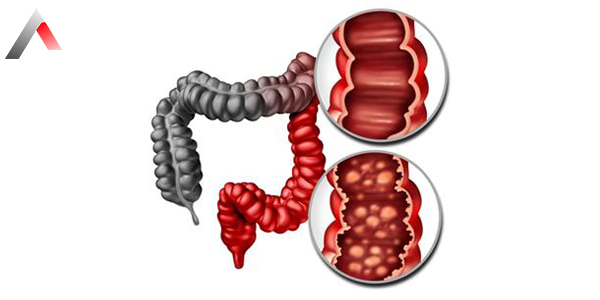
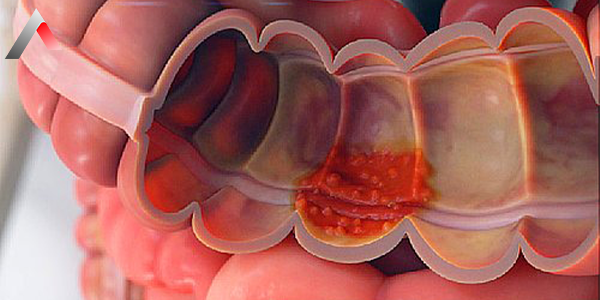
Ulcerative colitis is a chronic inflammatory bowel disease that affects the inner lining of the large intestine (colon) and rectum. It causes inflammation and superficial ulcers on the intestinal lining. The disease usually presents with symptoms such as diarrhea, blood in the stool, abdominal pain, and weight loss.

Ulcerative colitis is considered an autoimmune disease. The immune system attacks the intestinal mucosa for unknown reasons, leading to chronic inflammation. Genetic predisposition, environmental factors, and changes in the gut microbiota may play a role in the development of the disease.

The course of the disease can vary from mild symptoms to severe flare-ups. In some patients, symptoms may subside periodically, while in others, it may remain continuously active. If left untreated, it can lead to serious complications such as intestinal perforation, severe bleeding, or increased risk of colon cancer.

Treatment includes anti-inflammatory drugs, immunomodulatory medications, and biological agents. Surgical intervention may be necessary in severe cases. Nutritional regulation and lifestyle changes can help control symptoms.

__lseratif_Kolit_e2b557fe_bb05209f.webp

What Are the Causes of Ulcerative Colitis?

The exact cause of ulcerative colitis is not fully understood. However, genetic factors, immune system disorders, and environmental influences are believed to play a role in its development.

  1. Genetic Factors
    Ulcerative colitis is more common in individuals with a family history of inflammatory bowel disease (IBD). Certain genetic variations are thought to contribute to the disease by causing abnormal immune system function.

  2. Immune System Problems
    Normally, the immune system protects the body against infections. In ulcerative colitis, however, the immune system mistakenly attacks the intestinal mucosa, causing inflammation and the formation of ulcers. This is considered an autoimmune response.

  3. Environmental Factors
    Environmental factors can also influence the onset and severity of the disease. These include:

    • Dietary habits: Fast food, processed foods, and low-fiber diets may negatively affect the gut flora.

    • Smoking and alcohol use: While Crohn’s disease is more common among smokers, the risk of ulcerative colitis is higher in non-smokers.

    • Intestinal infections: Certain viral or bacterial infections can trigger the immune system and initiate the disease.

    • Stress and psychological factors: Although not a direct cause, stress can trigger flare-ups and worsen the disease’s severity.

Each of these factors alone does not cause the disease, but they may trigger ulcerative colitis in individuals with a genetic predisposition.

What Are the Symptoms of Ulcerative Colitis?

Ulcerative colitis can present with different symptoms depending on the severity of the disease and the affected area of the intestine. It typically follows a pattern of flare-ups (active periods) and remission (symptom-free periods).

Main Symptoms:

  • Chronic and bloody diarrhea: The most common symptom. Mucus and inflammation may also be present in the stool.
  • Abdominal pain and cramps: Usually caused by inflammation in the intestine.
  • Increased urge to defecate (tenesmus): Feeling of incomplete bowel emptying leading to frequent trips to the bathroom.
  • Weight loss: Due to prolonged diarrhea and loss of appetite.
  • Weakness and fatigue: Resulting from the body fighting inflammation and nutrient absorption problems.
  • Fever: May develop in severe cases as a result of systemic inflammation.

Extraintestinal Symptoms:
Ulcerative colitis can also cause problems outside the intestines, affecting other parts of the body:

  • Joint pain and inflammation (arthritis)
  • Skin rashes and sores
  • Eye inflammations (uveitis, scleritis)
  • Liver diseases

The severity of symptoms varies from person to person. Mild cases may only have intermittent diarrhea and abdominal pain, while severe cases can involve intestinal bleeding and significant weight loss.

Diagnosis of Ulcerative Colitis

Ulcerative colitis is one of the inflammatory bowel diseases characterized by chronic inflammation of the colon and rectum. Various methods are used for diagnosis:

  1. Patient History and Physical Examination

    • Evaluation of symptoms such as chronic diarrhea, bloody stools, abdominal pain, and weight loss

    • Inquiry about family history of inflammatory bowel disease

  1. Laboratory Tests

    • Complete Blood Count (CBC): To check for anemia and signs of infection

    • CRP and Sedimentation Rate: To detect inflammation in the body

    • Stool Tests: To rule out infections and measure fecal calprotectin levels indicating intestinal inflammation

  1. Endoscopic Examinations

    • Colonoscopy: Visualizes the inner lining of the colon to identify ulcers and inflammation

    • Biopsy: Tissue samples taken during colonoscopy are examined pathologically for definitive diagnosis

  1. Imaging Techniques

    • Magnetic Resonance Enterography (MRE): Provides detailed images of inflammation in the intestinal wall

    • Computed Tomography (CT): Used to assess bowel wall thickening or complications

After diagnosing ulcerative colitis, the severity and extent of the disease are determined to create an appropriate treatment plan.

Treatment Methods for Ulcerative Colitis

The treatment of ulcerative colitis is determined based on the severity and extent of the disease. The goal of treatment is to control symptoms, prevent flare-ups, and improve the patient’s quality of life.

  1. Medication Treatment

a) 5-ASA (Aminosalicylates)

  • Used in mild to moderate disease
  • Drugs like mesalazine and sulfasalazine reduce inflammation in the intestine

b) Corticosteroids

  • Used to control moderate to severe flare-ups
  • Drugs such as prednisone and budesonide are used for short-term treatment due to potential side effects with long-term use

c) Immunosuppressants (Immunomodulators)

  • Drugs like azathioprine, mercaptopurine, and methotrexate regulate the immune system to control inflammation

d) Biological Therapies (Biologic Agents)

  • TNF-alpha inhibitors: infliximab, adalimumab
  • Integrin antagonists: vedolizumab
  • IL-12/23 inhibitors: ustekinumab
  • Used in moderate to severe ulcerative colitis

e) JAK Inhibitors

  • Tofacitinib suppresses inflammation by regulating the immune system

  1. Diet and Lifestyle Changes

  • Fiber-rich foods and dairy products may worsen symptoms and should be consumed cautiously
  • Adequate fluid intake is essential
  • Avoidance of smoking and alcohol consumption is recommended
  • Stress management techniques such as meditation, yoga, or psychotherapy may be helpful
  1. Surgical Treatment

  • Total colectomy (complete removal of the colon) is the most definitive treatment
  • Ileal pouch-anal anastomosis (IPAA) surgery can preserve intestinal continuity
  • Surgery is performed in cases of bowel perforation, bleeding, toxic megacolon, or in patients unresponsive to medication

Conclusion:
Treatment for ulcerative colitis is personalized. In mild cases, medication and lifestyle changes may be sufficient, while moderate to severe cases may require biological therapy or surgical intervention.

Living with Ulcerative Colitis

Nutrition for ulcerative colitis patients is very important for managing symptoms. Each patient may react differently to various foods, but some general recommendations are as follows:

✅ Recommended Foods to Consume:

  • Low-fiber foods: Banana, white rice, mashed potatoes, boiled vegetables
  • Protein sources: Chicken, fish, eggs, yogurt
  • Healthy fats: Olive oil, avocado
  • Plenty of water: Sufficient water intake is necessary to prevent fluid loss.

❌ Foods to Avoid:

  • Raw vegetables and legumes: May cause gas and bloating.
  • Milk and dairy products: May increase symptoms in patients with lactose intolerance.
  • Spicy and fatty foods: Can make digestion difficult.
  • Caffeine and alcohol: May irritate the intestines.

2. Stress Management
Stress can trigger ulcerative colitis flare-ups. Therefore, stress management is very important.

  • Yoga and meditation: Provides mental and physical relaxation.
  • Breathing exercises: Helps reduce stress.
  • Psychological support: A therapist or support groups can be consulted if needed.

3. Exercise and Physical Activity

  • Low-intensity exercises like light walking, swimming, and pilates support bowel health.
  • Avoid overly strenuous exercise.

4. Regular Doctor Check-ups

  • Regular colonoscopy and biochemical tests should be performed to monitor disease progression.
  • Side effects of medications should be monitored.

5. Social and Psychological Support

  • Living with chronic diseases can be challenging at times. Communicating with family, friends, and support groups can provide psychological relief.
  • Sharing experiences with other individuals living with ulcerative colitis can be beneficial.

Conclusion:
Living with ulcerative colitis can become quite comfortable when managed with discipline. The disease can be kept under control through nutrition, stress management, and regular follow-ups.
 

Complications of Ulcerative Colitis

Ulcerative colitis can lead to various serious complications if not controlled or if it progresses severely. Early diagnosis and management of these complications can significantly affect the course of the disease and quality of life.

  1. Intestinal Complications
    a) Toxic Megacolon
    A serious condition caused by the expansion and swelling of the colon.
    It presents with sudden abdominal pain, fever, rapid pulse, and cessation of bowel movements.
    Requires urgent medical intervention and sometimes surgical treatment (colectomy).
    b) Intestinal Bleeding
    Chronic inflammation caused by ulcerative colitis may cause bleeding on the intestinal surface.
    Severe bleeding can lead to anemia and sometimes may require blood transfusion.
    c) Intestinal Perforation
    Tearing of the intestine due to inflammation.
    Can cause severe abdominal pain, fever, and life-threatening risks such as sepsis.
    Requires emergency surgical intervention.
    d) Colon Cancer
    The risk of colon cancer increases in ulcerative colitis patients, especially those with disease duration longer than 8-10 years.
    Early diagnosis is possible with regular colonoscopy screenings.

  2. Extraintestinal Complications
    Ulcerative colitis not only affects the intestines but can also cause complications in different parts of the body.

a) Joint Problems
Arthritis: Can especially affect large joints like knees, wrists, and shoulders.
Ankylosing spondylitis: Manifests with stiffness and pain in the spine.
b) Skin Problems
Erythema nodosum: Painful, red nodules form on the skin.
Pyoderma gangrenosum: Open wounds may develop on the skin.
c) Eye Problems
Uveitis and episcleritis: Can cause redness, pain, and light sensitivity in the eyes.
d) Liver and Bile Duct Diseases
Primary sclerosing cholangitis (PSC): A serious complication that can cause narrowing of bile ducts and liver failure.
e) Osteoporosis
Bone density may decrease due to corticosteroid use and chronic inflammation.


3. Nutrition-Related Complications

Malnutrition: Weight loss and vitamin deficiencies may occur due to insufficient nutrient absorption by the intestines.
Iron Deficiency Anemia: Anemia may develop due to chronic bleeding and inadequate iron absorption.

Conclusion
Ulcerative colitis is a systemic disease and its complications can lead to serious health problems. Regular doctor check-ups, healthy nutrition, adherence to medication, and lifestyle changes can reduce the risk of these complications.

Prepared by A Life Medical Editorial Board.

Last Updated: 6 Kasım 2025 14:05

Publish Date: 25 Nisan 2024 10:10

Ulcerative Colitis Surgery

Quick Application Form

Please fill in the fields below so that we can reach you

Related Departments
Related Doctors
Similar Contents

Do you need help?

We are here for all your questions and problems 24/7.