

What is ESWT?

ESWT

ESWT (Extracorporeal Shock Wave Therapy) is a non-invasive treatment method that uses high-energy sound waves applied externally to the body. Initially used to break up kidney stones, this method is now widely utilized in the fields of orthopedics, physiotherapy, and rehabilitation.

In this comprehensive guide prepared by A Life Health Group, we will explore ESWT (Extracorporeal Shock Wave Therapy) in depth. You will find answers to questions such as what ESWT is, how it works, in which conditions it is used, what its advantages and disadvantages are, and what to pay attention to after ESWT.

ESWT_Nedir_cae9d3c9_5685b3fd.webp

What Is ESWT?

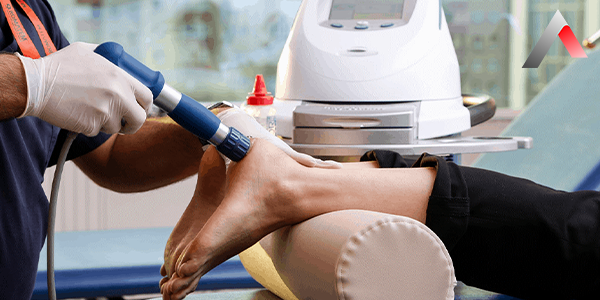
It is a non-invasive treatment method that uses high-energy sound waves applied externally to the body. These sound waves are focused on the targeted tissue and create controlled microtrauma in the tissue, stimulating the healing process.

ESWT was first developed in the 1980s to break up kidney stones. Later, it began to be used in the field of orthopedics for the treatment of tendon and bone problems. Today, ESWT is effectively used in the treatment of a wide range of musculoskeletal disorders.

ESWT Treatment

The ESWT device generates high-energy sound waves. These sound waves are focused on the targeted tissue through the applicator head of the device. When the sound waves reach the target tissue, they create controlled microtrauma. This microtrauma triggers the body’s natural healing mechanisms and produces the following effects:

  • Formation of new blood vessels: ESWT stimulates the formation of new blood vessels in the treated area, improving circulation and accelerating healing.
  • Reduction of inflammation: ESWT reduces the release of substances that cause inflammation, thereby relieving pain and swelling.
  • Decreased sensitivity of pain receptors: ESWT reduces the sensitivity of pain receptors, helping to relieve pain.
  • Breaking down of calcifications: ESWT breaks down calcifications in the tendons, reducing pain and improving mobility.
  • Increased collagen production: ESWT stimulates collagen production, accelerating tissue repair.

In Which Conditions Is ESWT Used?

ESWT can be used to treat a wide range of musculoskeletal disorders. The most common conditions it is applied for include:

  • Heel spur (plantar fasciitis): A common condition causing pain and tenderness in the heel.
  • Achilles tendinitis: Inflammation of the Achilles tendon.
  • Tennis elbow (lateral epicondylitis): A condition causing pain on the outer part of the elbow joint.
  • Golfer’s elbow (medial epicondylitis): A condition causing pain on the inner part of the elbow joint.
  • Shoulder pain (such as rotator cuff tears, frozen shoulder): Various conditions affecting the shoulder joint.
  • Knee pain (such as patellar tendinitis, jumper’s knee): Various conditions affecting the knee joint.
  • Low back pain: Pain caused by muscles and skeletal structures in the lower back.
  • Neck pain: Pain caused by muscles and skeletal structures in the neck region.
  • Calcification (calcific tendinitis): Calcium deposits in tendons.
  • Delayed fracture healing: Fractures that do not heal or take longer to heal.
  • Accelerating wound healing: Used to speed up the healing of surgical or other wounds.

Advantages and Disadvantages of ESWT

The advantages of ESWT include:

  • It is a non-invasive method: No surgical incision is required.
  • Painless: It generally does not cause pain.
  • Provides quick results: Significant improvement can be observed after a few sessions.
  • Has few side effects: Serious side effects are rare.
  • Does not require anesthesia: Usually, not even local anesthesia is needed.
  • No hospitalization required: The treatment can be administered on an outpatient basis.

The disadvantages of ESWT include:

  • Not suitable for every condition: ESWT may not be effective or may be contraindicated in certain cases.
  • It is a costly treatment method: Compared to other treatment options, ESWT may be more expensive.
  • May require multiple sessions: Achieving the desired results may require several sessions.

Post-ESWT Care Instructions

The following precautions should be taken after ESWT:

  • Rest the treated area: Avoid strenuous activities involving the treated area for a few days after the procedure.
  • You may use pain relievers: Pain relief medication can be taken if needed.
  • Apply ice if necessary: To reduce swelling, you may apply ice several times a day.
  • Follow your doctor’s instructions: Adhere to the personalized guidelines provided by your doctor.

Frequently Asked Questions About ESWT

  1. Is ESWT a painful procedure?
    ESWT is generally a painless procedure. Some patients may feel mild discomfort during the treatment, but it is usually well tolerated.

  2. How many ESWT sessions are required?
    The number of ESWT sessions depends on the condition being treated and the patient's response. Typically, 3 to 5 sessions are sufficient, although some cases may require more.

  3. What are the side effects of ESWT?
    ESWT is generally considered safe, and side effects are rare. Possible side effects include mild pain, swelling, redness, or bruising at the treatment site.

  4. Who should not undergo ESWT?
    ESWT should not be applied to pregnant women, individuals with bleeding disorders, those with infections at the treatment site, or certain other medical conditions.

  5. How much does ESWT cost?
    ESWT prices vary depending on the condition treated, the clinic providing the service, and the number of sessions. For more information, please contact A Life Health Group.

Remember, you can ask your doctor any questions you may have about ESWT treatment.

At A Life Health Group, our expert physicians and state-of-the-art ESWT devices are here to provide you with the best healthcare services. Contact us for detailed information and appointments.

 
Prepared by A Life Medical Editorial Board.

Last Updated: 6 Kasım 2025 14:05

Publish Date: 23 Kasım 2024 17:22

What is ESWT?

Quick Application Form

Please fill in the fields below so that we can reach you

Related Departments
Related Doctors
Similar Contents

Do you need help?

We are here for all your questions and problems 24/7.