Angioplasty and Stent Placement

Angioplasty and Stent Placement

Angioplasty and stent placement are minimally invasive treatment methods applied when there is a blockage or narrowing in the heart vessels. These procedures are used to reduce the risk of heart attack, improve blood flow, and prevent re-narrowing of the vessels. Both enhancing quality of life and preventing life-threatening conditions, these procedures are frequently preferred in contemporary cardiology practice.

What is Angioplasty?

Angioplasty is a medical procedure performed to widen blocked or narrowed vessels. Blood flow is often reduced or obstructed due to atherosclerosis (hardening of the arteries) in the heart vessels. Angioplasty restores normal blood flow by opening these vessels.

The angioplasty procedure generally involves the following steps:

  • Catheter Placement: A catheter (a thin tube) is usually inserted through a blood vessel in the groin or wrist.
  • Balloon Inflation: A small balloon at the tip of the catheter is guided to the blocked or narrowed area of the vessel. The balloon is inflated to widen the vessel.
  • Balloon Removal: After inflation, the balloon is removed, leaving the vessel expanded.

This procedure is performed to open the vessels and restore blood flow. In some cases, an additional procedure may be needed to prevent the vessels from narrowing again.

What_is_Angioplasty_e76b018e.webp

What is Stent Placement?

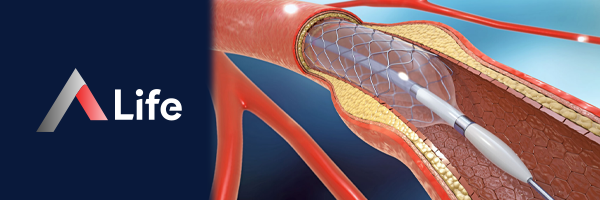
A stent is a small tube, usually made of metal, placed in an opened area within a vessel. Stents are used to keep vessels open and prevent narrowing or blockage. During angioplasty, after the vessel is widened, a stent is placed to prevent the vessel from narrowing again.

The stent placement procedure occurs as follows:

  • Stent Transport via Catheter: During angioplasty, the stent is guided to the narrowed vessel area using the catheter.
  • Stent Inflation: The stent is expanded with a balloon, securing it against the vessel wall. This ensures the vessel remains stable and open.
  • Post-Procedure: The stent stays inside the vessel and helps maintain proper blood flow.

Stents are generally made of metal (stainless steel or nickel-titanium) or biological materials (to minimize biological tissue reactions). Additionally, some stents are drug-eluting, containing medication to prevent the vessels from re-narrowing.

Benefits of Angioplasty and Stent Placement

  • Regulates Blood Flow: Angioplasty and stent placement widen blocked vessels, improving the flow of oxygen-rich blood to the heart muscle.
  • Reduces Heart Attack Risk: Vessel blockages can lead to heart attacks. Angioplasty and stents reduce this risk, ensuring the heart functions healthily.
  • High Success Rate: As a minimally invasive procedure, angioplasty and stent placement deliver successful results, and patients can typically return to normal activities quickly.
  • Reduces Pain: Symptoms such as chest pain (angina) and shortness of breath caused by blockages can be significantly alleviated through this procedure.
  • Solution Without Advanced Surgery: For some patients, angioplasty and stent placement may eliminate the need for surgical intervention, offering a less risky and less invasive treatment option.

Risks of Angioplasty and Stent Placement

As with any medical procedure, angioplasty and stent placement carry certain risks. However, these risks are generally low and are usually managed by experienced doctors. Possible risks include:

  • Bleeding: There may be bleeding from the area where the catheter is inserted.
  • Vessel Damage: There is a risk of accidental damage to the vessel.
  • Stent Blockage: The placed stent may become blocked over time or cause a blood clot.
  • Infection: Although very rare, infection may develop during the stent placement procedure.
  • Allergic Reactions: Allergic reactions can occur to the stent material or the contrast agent used.

Post-Care After Angioplasty and Stent Placement

After angioplasty and stent placement, the recovery process is generally quick, but there are certain points that require attention for a period of time:

  • Monitoring: After the procedure, your doctor monitors your recovery and performs necessary tests.
  • Pain Management: Mild pain may occur after the procedure. This can usually be controlled with painkillers.
  • Activity Restrictions: Heavy activities may need to be avoided for a period after the procedure.
  • Medication Use: Blood thinners and statins may be prescribed to keep the vessels healthy and prevent clotting.
  • Diet and Lifestyle Changes: A healthy diet and regular exercise may be recommended to maintain heart health.

Angioplasty and Stent Placement at A Life Health Group

Prioritize Your Heart Health
A Life Health Group performs angioplasty and stent placement, one of the most effective treatments for cardiovascular diseases, using the latest technology. These procedures are critical for opening blocked or narrowed vessels and protecting heart health.

Angioplasty is the procedure of widening a narrowed or blocked vessel using a special balloon catheter. This procedure is performed to restore blood flow and reduce the impact of heart disease.

What is Stent Placement?
A stent is a small mesh structure, made of metal or polymer, placed inside the vessel. It is used to keep the vessel open after angioplasty and ensure long-term patency. Once placed in the vessel wall, stents increase blood flow and reduce the risk of re-narrowing.

Our Services

1.Comprehensive Evaluation:

  • Patient Examination: Detailed assessment of heart health and necessary tests.
  • Imaging Tests: Gathering information on vessel conditions using EKG, echocardiography, coronary angiography, and similar tests.

2.Angioplasty Procedure:

  • Preparation: Informing the patient about the procedure, obtaining consent, and performing necessary preparations.
  • Balloon Catheter Placement: Using a specialized catheter to reach the blocked vessel.
  • Balloon Inflation: Inflating the balloon catheter at the required site to open the vessel.

3.Stent Placement:

  • Stent Deployment: Applying the stent to support the vessel after balloon expansion.
  • Monitoring and Follow-Up: Regularly checking the patient’s condition after the procedure and providing additional support if needed.

4.Definitive Results and Care:

  • Evaluation of Results: Assessing images of the heart vessels obtained after the procedure.
  • Patient Education and Information: Informing the patient about recovery, care instructions, and lifestyle changes.

5.Follow-Up Services:

  • Regular Check-Ups: Conducting follow-ups according to the planned schedule and adjusting medications if necessary.
  • Psycho-Social Support: Counseling to address emotional impacts during heart disease or angioplasty.

Why A Life Health Group?

  • Expert Team: Reliable healthcare with experienced cardiologists, cardiovascular surgeons, and health professionals.
  • Modern Technology: Procedures with high success rates using the latest technological devices and methods.
  • Personalized Approach: Customized treatment plans considering each patient’s physical condition and needs.
  • Patient-Centered Service: Thoughtful and careful healthcare with patient satisfaction as a priority.
  • Privacy and Trust: Maximum attention to patient confidentiality in all procedures.

At A Life Health Group, angioplasty and stent placement are performed by cardiologists specializing in cardiovascular diseases. Our expert team uses state-of-the-art equipment to provide personalized treatment plans for each patient. Maintaining heart health is crucial for a healthy life. If you have concerns about blockages, narrowing, or other problems in your heart vessels, you can consult our specialist cardiologists at A Life Health Group.

Prioritize Your Heart Health!

A Life Health Group Angioplasty and Stent Placement is your reliable address for heart health.

Angioplasty and Stent Placement

Quick Application Form

Please fill in the fields below so that we can reach you

Related Units
Similar Contents

Do you need help?

We are here for all your questions and problems 24/7.