A Reliable Diagnostic Method for Your Kidney Health
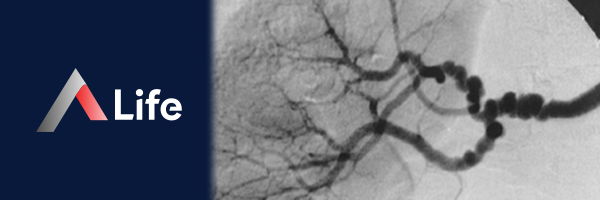
The A Life Health Group Renal Angiography Unit provides services with modern technology and an expert team for detailed imaging of kidney vessels and evaluation of kidney health. Renal angiography plays a critical role in the diagnosis of kidney diseases and is used to detect blockages, blood flow problems, and abnormalities.
Renal angiography is an invasive procedure performed to visualize the blood vessels of the kidneys (renal arteries and veins). This procedure is generally carried out under local anesthesia, with a special catheter used to inject contrast material. The resulting images provide important information for the diagnosis and treatment of kidney diseases.
Our Services
1.Comprehensive Evaluation:
- Patient Condition Analysis: Assessment of past medical history and symptoms related to kidney health.
- Pre-Tests: Collection of information about the patient’s condition through necessary blood, urine, and imaging tests.
2.Renal Angiography Procedure:
- Preparation Process: Providing detailed information to the patient about the procedure, obtaining consent, and completing necessary preparations.
- Catheter Placement: Using a special catheter to reach the renal artery.
- Contrast Injection: Injecting contrast material into the blood vessels for clear imaging of the kidney vessels.
- Imaging: Obtaining detailed images of the kidney vessels under fluoroscopy (live X-ray imaging).
3.Analysis of Results:
- Review of Images: Analysis of obtained images by a radiologist and urologist and evaluation of abnormalities.
- Treatment Planning: Determining the necessary treatment methods based on the findings (angioplasty, stent, surgical intervention, etc.).
4.Follow-Up and Support:
- Post-Procedural Monitoring: The patient is kept under observation after the procedure, and vital signs are monitored.
- Patient Information: Providing information to the patient about post-procedure care, recovery process, and follow-up appointments.
Why A Life Health Group Renal Angiography?
- Expert Team: Reliable and high-quality service with experienced radiologists and urologists.
- Modern Technology: High-accuracy results with the latest imaging devices and methods.
- Comprehensive Services: Detailed diagnostic and treatment approaches in all areas related to kidney health.
- Personalized Approach: Customized treatment plans according to each patient’s condition and needs.
- Patient-Centered Service: Thoughtful and attentive healthcare prioritizing patient satisfaction and comfort.
As the A Life Health Group Renal Angiography Unit, we are here to protect and treat your kidney health. With our expert team and modern technology, we provide the best healthcare services and effective solutions for your kidney-related problems.
Take Care of Your Kidney Health!
A Life Health Group Renal Angiography is your reliable address for kidney health.




 0 (850) 888 54 33


 E-Appointment
 E-Appointment
  E-Result


 0 (850) 888 54 33
 WhatsApp
 E-Appointment