

Barrett's metaplasia is a condition in which the normal tissue type lining the lower part of the esophagus is replaced by an abnormal tissue type more similar to the stomach. This condition usually occurs as a result of long-term acid reflux (gastroesophageal reflux disease - GERD).
Barrett's metaplasia is important because this abnormal tissue carries a risk of turning into cancer (esophageal adenocarcinoma). However, not every person with Barrett's metaplasia develops cancer.
Barrett's Metaplasia is the condition in which the squamous epithelial cells in the lower part of the esophagus transform into intestinal-type columnar epithelium due to acid reflux. This metaplastic cellular change is abnormal for the esophageal lining and is considered a precancerous lesion. With early diagnosis and appropriate treatment, the risk of progression to cancer can be significantly reduced.
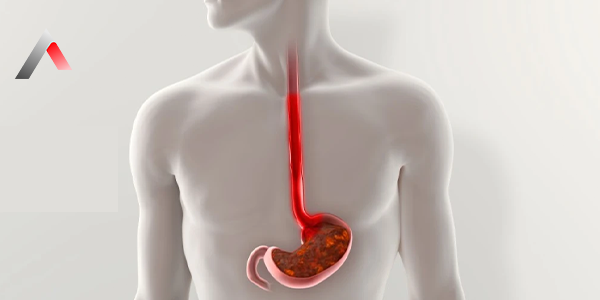
Barrett's metaplasia occurs when the normal tissue in the lower part of the esophagus is damaged, usually due to stomach acid refluxing into the esophagus (gastroesophageal reflux disease - GERD), and is replaced by abnormal tissue resembling intestinal cells.
The most common cause:
Other risk factors:
Barrett's metaplasia does not have many specific symptoms. In fact, most people with Barrett's metaplasia do not feel any symptoms. The condition is usually discovered incidentally during endoscopic examinations related to GERD.
However, individuals with Barrett's metaplasia may experience the following symptoms due to underlying reflux disease:
The definitive diagnosis of Barrett's metaplasia is made through endoscopy and biopsy. During endoscopy, the inside of the esophagus is examined, and tissue samples taken via biopsy are analyzed under a microscope to confirm the diagnosis.
The diagnosis involves several different methods:
The treatment of Barrett's metaplasia varies depending on the severity of the condition (whether dysplasia is present) and the intensity of the underlying reflux disease.
The main goals of treatment are:
Treatment methods include:
Medication Treatment:
These methods aim to eliminate abnormal Barrett tissue. They can be used if dysplasia has developed or if there is early-stage cancer.
As A Life Health Group, we offer up-to-date and effective treatment approaches for patients diagnosed with Barrett's metaplasia. Barrett's metaplasia involves cellular changes in the lower part of the esophagus and can increase the risk of esophageal cancer. Therefore, accurate diagnosis and appropriate treatment are of great importance.
Our treatment approach is determined based on the severity of the disease, symptoms, and the patient’s overall health condition.
As A Life Health Group, we aim to provide the most accurate and effective treatment methods for your health. You can contact us to learn more about Barrett's metaplasia and treatment options and to schedule an appointment.
Important Note: This informational text is for general purposes only. For the most accurate and up-to-date information regarding the diagnosis and treatment of Barrett's metaplasia, it is important to consult the expert doctors of A Life Health Group.
Last Updated: 6 Kasım 2025 14:05
Publish Date: 4 Eylül 2024 15:39

Please fill in the fields below so that we can reach you
We are here for all your questions and problems 24/7.


 TR Türkçe
 EN English
 0 (850) 888 54 33


 E-Appointment
 E-Appointment
  E-Result



 0 (850) 888 54 33
 WhatsApp
 E-Appointment