

Electrical Muscle Stimulation (EMS): Uses & Benefits

EMS (Electrical Muscle Stimulation)

Do you have limited time but want to get in shape, strengthen your muscles, or relieve your pain? Then Electrical Muscle Stimulation (EMS) is just for you! EMS is an innovative fitness technology that stimulates muscles using low-frequency electrical currents and works them deeply. EMS allows you to achieve effective results in a shorter time compared to traditional exercises and can be used for slimming, toning, strengthening, and rehabilitation purposes.

As A Life Health Group, we offer the benefits of EMS training with our state-of-the-art EMS devices and expert physiotherapists. In this article, you can find everything you need to know about EMS.
Elektriksel_Kas_Uyar__m___ec507201_f46d1138.webp

EMS (Electrical Muscle Stimulation) What is it?

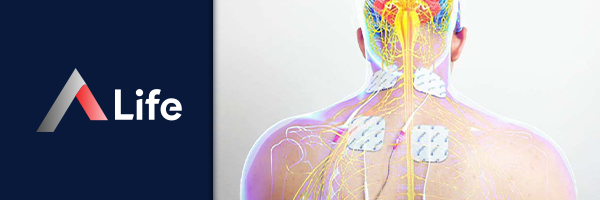
EMS is a technology that stimulates muscles using low-frequency electrical currents. These currents mimic the natural signals sent by the nervous system to the muscles, causing the muscles to contract and relax. During EMS application, you wear a special suit, and through the electrodes in this suit, electrical current is sent to your muscles. Thus, more muscle fibers are activated simultaneously compared to traditional exercises, resulting in more effective outcomes in a shorter time.

How Does EMS Work?

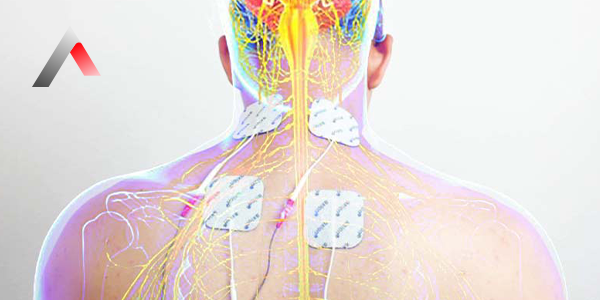
The EMS device sends electrical impulses to the muscles through electrodes placed on the skin. These impulses mimic the signals sent by the nervous system to the muscles, causing them to contract. During EMS training, you perform various exercises along with this electrical stimulation. Thus, your muscles are worked both by electrical stimulation and physical activity, leading to faster strengthening and toning.

EMS Application Stages

EMS training is applied in a controlled manner under the supervision of expert physiotherapists and is personalized for each individual. It generally consists of the following stages:

  • Assessment: Before the first session, your physiotherapist evaluates your medical history, physical condition, and goals. This is important to create a suitable training program and ensure your safety.
  • Clothing: A special EMS suit with electrodes placed on your skin is worn. This suit provides freedom of movement while ensuring that the electrical stimulation is delivered to the correct muscle groups.
  • Electrode Placement: The physiotherapist places the electrodes on the targeted muscle groups. Correct placement of electrodes is critical for the effectiveness of EMS.
  • Device Settings: The physiotherapist adjusts the EMS device according to your needs and goals. The intensity, frequency, and duration of the electrical current are individually determined to provide a comfortable and effective training experience.
  • Warm-up: A light warm-up is performed to prepare the body for exercise and warm the muscles.
  • Exercise: Various exercises are performed with EMS stimulation under the supervision of the physiotherapist. These exercises work and strengthen the muscles more effectively.
  • Cool-down: At the end of the training, cool-down exercises are done to relax the muscles and increase flexibility.

EMS training typically lasts 20 minutes and 1-2 sessions per week are sufficient. This short and effective training method is an ideal option for those with limited time or who do not prefer traditional exercises.

What is EMS Used For?

EMS (Electrical Muscle Stimulation) is a technology that uses low-frequency electrical currents to stimulate and deeply work muscles. The effect of EMS is not limited to fitness and bodybuilding but also plays an important role in rehabilitation and medical treatments.

Fitness and Bodybuilding Applications

  • Increasing muscle mass
    EMS stimulates muscle fibers deeply, increasing muscle protein synthesis and supporting muscle growth. Using EMS alongside traditional training can provide faster increases in muscle mass.
  • Increasing muscle strength and endurance
    EMS effectively works both fast-twitch and slow-twitch muscle fibers, increasing muscle strength and endurance. This helps improve sports performance.
  • Shaping and tightening the body
    EMS helps shape and tighten the body by targeting specific muscle groups. It can provide effective results especially in the abdominal, gluteal, and leg areas.
  • Accelerating metabolism and increasing fat burning
    EMS increases muscle activity, accelerates metabolism, and supports fat burning. This helps with weight loss and improving body composition.
  • Reducing the appearance of cellulite
    EMS can help reduce cellulite appearance by increasing blood circulation and tightening muscles.

Rehabilitation Applications

  • Preventing and treating muscle atrophy (muscle loss)
    EMS can be used to prevent or treat muscle loss caused by illness, injury, or inactivity. EMS stimulates muscles, increases muscle activity, and helps prevent muscle loss.
  • Strengthening muscles after injury
    EMS can be used to strengthen muscles and speed up the recovery process after surgery, fracture, or other injuries.
  • Reducing pain
    EMS can help reduce pain by blocking pain signals to the brain and increasing endorphin secretion. It can be especially effective for back pain, neck pain, and joint pain.
  • Increasing range of motion
    EMS can be used to increase joint mobility and improve muscle flexibility.

Medical Applications

  • Urinary incontinence treatment: EMS can be used to strengthen pelvic floor muscles and treat urinary incontinence problems.
  • Treatment of circulatory disorders: EMS can improve blood circulation and reduce edema (swelling).
    Chronic pain management: EMS can be used in managing chronic pain conditions such as fibromyalgia and neuropathic pain.

What Are the Advantages of EMS?

EMS training has many advantages compared to traditional exercise methods:

  • Time savings: EMS training sessions are shorter than traditional workouts (usually 20 minutes).
  • Effectiveness: EMS stimulates more muscle fibers simultaneously, providing more effective results.
  • Joint-friendly: EMS training does not put strain on joints, making it suitable for people with joint problems.
  • Personalized training: EMS devices can be adjusted according to each individual's needs.
  • Increased motivation: EMS training boosts motivation by delivering visible results in a short time.

Who Is EMS Suitable For?

EMS training is generally suitable for healthy individuals. However, EMS application is not recommended in the following cases:

  • Those with a pacemaker
  • Epilepsy patients
  • Pregnant women
  • Cancer patients
  • Those with active infections
  • Those with skin diseases

EMS Training at A Life

As A Life Health Group, we offer EMS training services with state-of-the-art devices and expert physiotherapists.

Advantages of A Life Health Group’s EMS service:

  • Expert physiotherapists: Our experienced physiotherapists create a personalized training program for you and guide you during the sessions.
  • State-of-the-art devices: We use the latest technology EMS devices to provide a safe and effective training experience.
  • Personalized approach: We prepare a training program tailored to your needs and goals.
  • Comfortable environment: We offer the opportunity to train in a modern and comfortable setting.

For detailed information about EMS training or our other physiotherapy services and to make an appointment, you can visit our website or contact us via our phone numbers.

Get to know EMS to get in shape and improve your health!

Prepared by A Life Medical Editorial Board.

Last Updated: 6 Kasım 2025 14:05

Publish Date: 21 Ocak 2025 06:59
Electrical Muscle Stimulation (EMS): Uses & Benefits

Quick Application Form

Please fill in the fields below so that we can reach you

Related Departments
Related Doctors
Similar Contents

Do you need help?

We are here for all your questions and problems 24/7.