Gastric Bypass

Gastric Bypass

Gastric bypass is a weight loss surgery frequently used in bariatric surgery that provides effective results. In this procedure, the size of the stomach is reduced and a portion of the small intestine is bypassed, allowing for a feeling of fullness with less food and reducing nutrient absorption. Gastric bypass can offer a long-term solution for individuals who are unable to lose weight through diet and exercise and who suffer from obesity-related health problems. In this article, you will find everything you want to know about gastric bypass and learn about A Life Health Group’s expertise in this field.

Gastric Bypass Surgery at A Life Health Group

At A Life Health Group, our experienced bariatric surgery specialists, state-of-the-art operating rooms, and advanced intensive care units allow us to provide you with the best service in gastric bypass surgeries. Throughout the preoperative evaluation, surgical procedure, postoperative care, and nutritional counseling process, we stand by our patients to help them lose weight in a healthy way and adapt to their new lives.

What is Gastric Bypass?

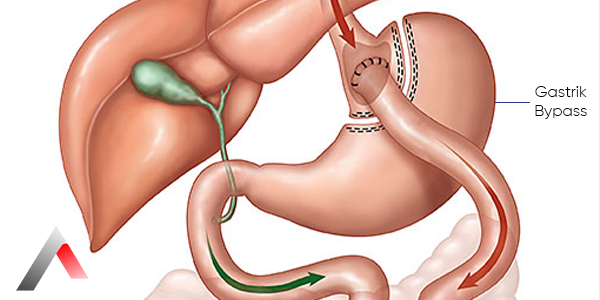
Gastric bypass is a weight loss surgery frequently used in bariatric surgery. In this procedure, the size of the stomach is reduced and a portion of the small intestine is bypassed. This allows the patient to feel full with less food and reduces the absorption of nutrients. Gastric bypass can provide an effective solution for individuals who are unable to lose weight through diet and exercise and who experience health problems related to obesity.

What_is_Gastric_Bypass_721bc2ff.webp

Who Is Eligible for Gastric Bypass?

Gastric bypass surgery may be suitable for individuals who meet the following criteria:

  • Those with a body mass index (BMI) of 40 or higher
  • Those with a BMI between 35–39.9 who suffer from obesity-related health problems (such as type 2 diabetes, high blood pressure, or sleep apnea)
  • Those who are unable to lose weight through diet and exercise
  • Those who understand the risks of surgery and are willing to adhere to lifestyle changes after the procedure

How Is Gastric Bypass Surgery Performed?

Gastric bypass surgery can be performed using two different techniques:

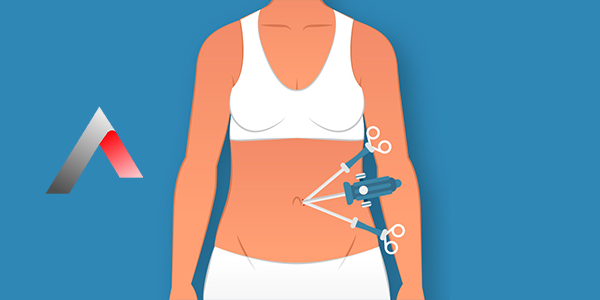
  • Laparoscopic Gastric Bypass: In this technique, the surgery is performed with the help of thin instruments and a camera inserted through small incisions made in the abdominal area. Laparoscopic surgery offers advantages such as less pain, faster recovery, and smaller scars compared to open surgery.
  • Open Gastric Bypass: In this technique, a large incision is made in the abdominal area to perform the surgery. Open surgery is a more invasive method than laparoscopic surgery and requires a longer recovery period.
Gastric_Bypass_Surgery_7acc87cb.webp

The steps performed during the surgery are as follows:

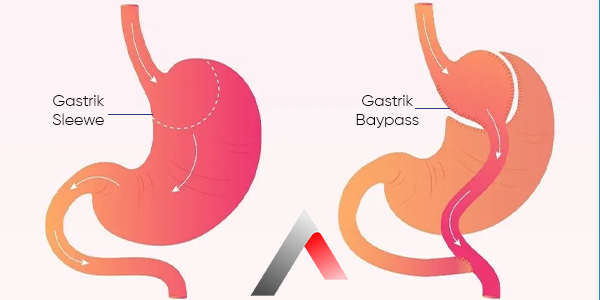
  • Reduction of the stomach size: The upper part of the stomach is turned into a small pouch. This pouch has a volume of approximately 30 ml, about the size of an egg.
  • Rearrangement of the small intestine: A portion of the small intestine is bypassed and connected to the small stomach pouch. This allows food to bypass most of the stomach and the first part of the small intestine (duodenum), passing directly into the middle part of the small intestine (jejunum).

Before Gastric Bypass Surgery

  • Preparation Process: Before the surgery, several tests such as blood tests, urine tests, ECG, chest X-ray, and endoscopy are performed. Additional tests may also be requested to evaluate your heart and lung functions. You should not eat or drink anything after midnight on the night before surgery. Inform your doctor about any medications you are taking, as some may need to be discontinued before the operation.
  • Risk Assessment: Your doctor will perform a preoperative risk assessment to determine whether the surgery is suitable for you. Your age, overall health status, and other factors are considered during this evaluation.

After Gastric Bypass Surgery

  • Recovery Process: You will stay in the hospital for a few days after the surgery. Painkillers will be provided to reduce pain and discomfort. During the first few days after surgery, you can consume liquid foods. Later, you can gradually switch to solid foods. Your doctor and dietitian will inform you about how to eat after the surgery.
  • Nutrition: You will need to change your eating habits after gastric bypass surgery. During the first weeks after surgery, you will consume liquid and pureed foods, then gradually transition to solid foods. It is important to eat small portions, eat slowly, and drink plenty of water. You may also need to take vitamin and mineral supplements. Your dietitian will help you create a postoperative nutrition plan and develop new eating habits.
  • Follow-up and Check-ups: You will need to visit your doctor regularly after gastric bypass surgery. Your doctor will monitor your weight loss and overall health and provide necessary recommendations.

Risks and Complications of Gastric Bypass

Gastric bypass surgery is generally a safe procedure; however, like any surgery, it carries certain risks and potential complications. These include infection, bleeding, leakage, bowel obstruction, dumping syndrome (a condition caused by rapid gastric emptying), gallstones, vitamin and mineral deficiencies, and anesthesia-related complications.

Advantages of Gastric Bypass

Gastric bypass surgery is an effective treatment for obesity and obesity-related health problems. Its advantages include:

  • Significant weight loss: Individuals who undergo gastric bypass typically lose 60-80% of their excess weight.
  • Improvement in obesity-related health issues: Significant improvements can be seen in type 2 diabetes, high blood pressure, sleep apnea, high cholesterol, and other obesity-related conditions.
  • Increased quality of life: Weight loss and improvement in health issues lead to a better overall quality of life.
  • Longer and healthier life: Gastric bypass surgery reduces the risk of obesity-related mortality.
How Much Weight Can Be Lost with Gastric Bypass?

Individuals who undergo gastric bypass surgery typically lose 60-80% of their excess weight. Weight loss occurs most rapidly during the first year after surgery and slows down afterward. The amount and rate of weight loss can vary depending on the patient’s age, starting weight, dietary habits, and level of physical activity.

Gastric Bypass Surgery Costs

The cost of gastric bypass surgery varies depending on the medical center, surgeon’s fees, hospital pricing policies, and other factors. You can obtain detailed pricing information by consulting with A Life Health Group prior to the surgery.

Advantages of A Life Health Group

The advantages of undergoing gastric bypass surgery at A Life Health Group are as follows:

  • Experienced obesity surgery specialists: Your surgery is performed by specialists in obesity surgery with extensive experience in the field.
  • State-of-the-art operating rooms: Surgeries are conducted in our operating rooms equipped with the latest technology.
  • Advanced intensive care units: Your postoperative recovery is closely monitored in our advanced intensive care units.
  • Multidisciplinary approach: Our obesity surgery specialists work together with dietitians, psychologists, and other healthcare professionals to provide comprehensive care.
  • Patient-centered service: We prioritize patient satisfaction and ensure you receive care in a comfortable environment.
  • Affordable prices: We offer services at reasonable prices so that everyone can access advanced treatment methods.
  • Quick appointments and results: You do not have to wait long to schedule an appointment or receive treatment.
gastric_bypass-_01c4e694.webp
Frequently Asked Questions

1.Who is suitable for gastric bypass surgery?
Gastric bypass surgery is suitable for individuals with a BMI of 40 or higher, or those with a BMI between 35-39.9 who have obesity-related health problems.

2.Is gastric bypass surgery risky?
As with any surgery, there are some risks associated with gastric bypass surgery. However, these risks are generally low and decrease further when performed by an experienced surgeon.

3.How much weight can I lose after gastric bypass surgery?
Individuals who undergo gastric bypass surgery typically lose 60-80% of their excess weight.

4.What will my diet be like after gastric bypass surgery?
After gastric bypass surgery, you will need to change your eating habits. It is important to eat small portions, eat slowly, and drink plenty of water. You may also need to take vitamin and mineral supplements.

5.Will I regain weight after gastric bypass surgery?
It is possible to regain weight after gastric bypass surgery, but this risk can be reduced by paying attention to your diet and exercise habits.

At A Life Health Group, we are here to provide you with the best service for gastric bypass surgery. With our experienced obesity surgery specialists, state-of-the-art operating rooms, and advanced intensive care units, we help you achieve healthy weight loss.

Prepared by A Life Medical Editorial Board.

Last Updated: 6 Kasım 2025 14:05

Publish Date: 30 Temmuz 2024 03:12

Gastric Bypass

Quick Application Form

Please fill in the fields below so that we can reach you

Related Departments
Related Doctors
Similar Contents

Do you need help?

We are here for all your questions and problems 24/7.