



 TR Türkçe
 EN English
 0 (850) 888 54 33


 E-Appointment
 E-Appointment
  E-Result
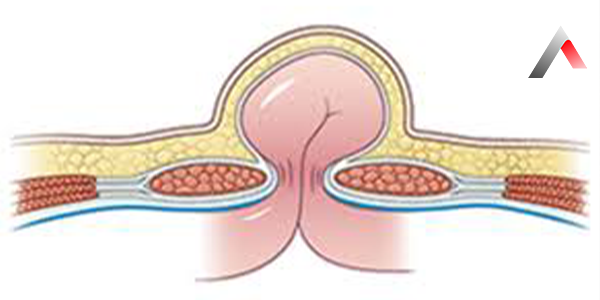
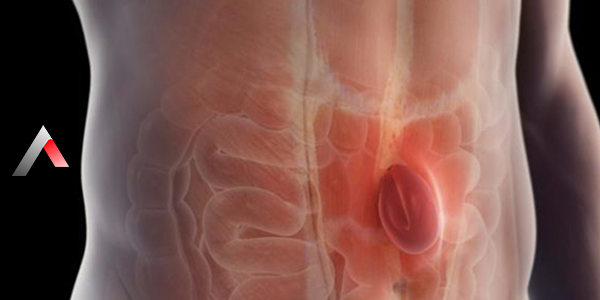
The abdominal wall consists of skin, fat tissue, muscles, and connective tissue. An umbilical hernia occurs when these muscles and connective tissues weaken. Abdominal organs (intestines, fat tissue) protrude through the weak spot, creating a bulge.
The main muscles of the abdominal wall include:
- Rectus abdominis: The primary muscle group affected around the navel.
- Obliquus externus and internus abdominis: Lateral abdominal muscles that balance intra-abdominal pressure.
- Transversus abdominis: Supports internal organs and provides resistance against hernia formation.
An umbilical hernia develops due to weakening of one or more of these muscles, and the size of the hernia can increase as pressure rises.



 0 (850) 888 54 33
 WhatsApp
 E-Appointment