
Hydrocelectomy

Hydrocelectomy – Expert Surgical Solutions

A Life Health Group is a leader in procedures like hydrocelectomy, offering uncompromising patient care standards and modern surgical solutions. Hydrocelectomy is the surgical removal of fluid accumulation around the testes, known as a hydrocele. This surgical intervention is performed to relieve the discomfort and complications caused by hydrocele, especially in adult men and children.

What is Hydrocelectomy?

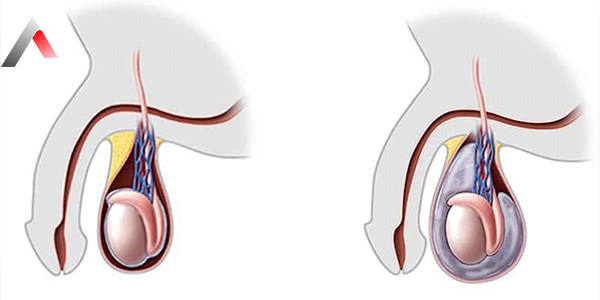
Hydrocelectomy is a surgical procedure to treat hydrocele, a condition in men where fluid accumulates in the scrotum (testicular sac). A hydrocele is the abnormal accumulation of fluid between the membranes surrounding the testes, often presenting as swelling, a sense of heaviness, or discomfort. While usually painless, it can cause movement restrictions or cosmetic concerns depending on its size.

Hydrocelectomy is the most commonly used method for the permanent and effective treatment of hydrocele. During the procedure, the fluid accumulated in the scrotum is drained, and the membranes around the testes are corrected or excess tissue is removed to prevent recurrence.

This surgical procedure is generally completed quickly and has a high success rate. Hydrocelectomy can be performed in both children and adults. In children, it typically addresses congenital hydroceles, while in adults, it may develop due to trauma, infection, or other causes.

After surgery, patients usually experience a rapid recovery, with relief from swelling, pain, or discomfort, allowing them to return to their normal daily activities.

Hydrocelectomy_58165043.webp

When is Hydrocelectomy Applied?

Hydrocelectomy is performed to permanently treat hydrocele, a condition in which fluid accumulates around the testes. This surgical procedure is generally recommended in the following situations:

1.Large and Discomforting Hydroceles
Hydrocele can cause significant swelling in the scrotum, leading to discomfort, restricted movement, or a feeling of heaviness. Surgery is recommended if large hydroceles interfere with daily activities.

2.Painful or Infected Hydroceles
Although rare, hydroceles can become infected or cause pain. In such cases, surgery is performed to control the infection and relieve pain.

3.Recurrent or Chronic Hydroceles
In some cases, temporary treatments such as aspiration may not prevent fluid from reaccumulating. Hydrocelectomy provides a permanent solution for recurring hydroceles.

4.Cosmetic Concerns

  • Swelling in the scrotum can affect a person’s appearance. Patients concerned about aesthetics may also be candidates for hydrocelectomy.

5.Post-Traumatic Hydroceles

  • Hydroceles may develop after trauma or injury to the testicular area. If fluid accumulation becomes persistent, surgical treatment may be necessary.

6.Congenital Hydroceles

  • In infants and children, congenital hydroceles often resolve spontaneously. However, if the hydrocele persists beyond age two or increases in size, surgery may be required.

7.Treatment of Underlying Conditions

  • Sometimes, hydrocele can indicate another medical condition such as a tumor, infection, or hernia. Hydrocelectomy may be performed during the treatment of these conditions.

Hydrocelectomy is one of the most effective methods to prevent fluid from reaccumulating and provides long-term relief. The decision to proceed with surgery is made by the doctor based on the patient’s symptoms, hydrocele size, and overall health.

Why is Hydrocelectomy Necessary?

Hydrocelectomy is a surgical procedure performed to resolve problems caused by hydrocele, a fluid accumulation in the scrotum, and to improve the patient’s quality of life. The reasons this surgery may be necessary include:

1.Relieving Discomfort and Swelling

  • Hydrocele can cause noticeable swelling in the scrotum, leading to discomfort during movement.
  • Large hydroceles may interfere with daily activities and negatively affect quality of life. Discomfort is often more noticeable during prolonged sitting, physical activity, or when wearing tight clothing.

2.Improving Cosmetic Appearance

  • Swelling in the scrotum can impact self-confidence and cause aesthetic concerns. Patients disturbed by the appearance may opt for hydrocelectomy.

3.Reducing Pain and Discomfort

  • Although hydrocele is usually painless, it can cause pain in advanced cases. Fluid accumulation may create a sensation of heaviness in the scrotum, contributing to discomfort. In some cases, pressure from fluid buildup may indirectly affect testicular function, causing pain.

4.Treating Recurrent or Chronic Hydroceles

  • Hydroceles may recur after temporary treatments such as aspiration. Hydrocelectomy provides a permanent solution for chronic or recurring hydroceles.

5.Preventing Infection and Complications

  • Infected hydroceles (pyocele) can lead to serious complications. Surgery helps reduce the risk of infection.

6.Protecting Testicular Health

  • Prolonged pressure or fluid accumulation can damage testicular tissue and, in rare cases, affect sperm production. Hydrocelectomy helps preserve testicular health.

7.Addressing Underlying Causes of Hydrocele

  • Sometimes hydrocele is a sign of other conditions, such as testicular trauma, infection, or tumors. Surgical intervention addresses both the hydrocele and the underlying health issue.

8.Improving Quality of Life

  • Persistent discomfort, restricted movement, and aesthetic concerns can make daily life difficult. Hydrocelectomy resolves these issues, enhancing overall quality of life.

Hydrocelectomy is recommended by a urology specialist based on the patient’s overall health and symptoms. The procedure has a high success rate and a low risk of complications, making it an effective long-term solution for hydrocele.

How is a Hydrocelectomy Performed?

Hydrocelectomy is a surgical procedure performed to drain fluid accumulated around the testis and prevent its recurrence. This surgery is generally short, safe, and effective. The procedure can be explained step by step as follows:

1.Preoperative Preparation

  • Examination and Tests: Before surgery, the doctor evaluates the patient’s overall health. Tests such as blood work and scrotal ultrasound may be performed.
  • Type of Anesthesia: Hydrocelectomy is usually performed under local or general anesthesia. The choice depends on the patient’s condition and the doctor’s recommendation.
  • Fasting: The patient is required to refrain from eating or drinking for a certain period before surgery.

2.Surgical Procedure

  • Making the Incision: A small incision is made in an appropriate area of the scrotum to access the fluid around the testis.
  • Draining the Fluid: The hydrocele sac is carefully opened, and the accumulated fluid is drained.
  • Repairing the Hydrocele Sac: To prevent fluid from reaccumulating, the membrane surrounding the testis (tunica vaginalis) is either partially removed or reshaped. This can be done using surgical techniques such as the “Jaboulay” or “Lord” method.
  • Placement of Drain (if needed): In some cases, a small drain is placed to remove excess fluid postoperatively.

3.Completion of Surgery

  • Closing the Incision: After the procedure, the incision is usually closed with absorbable sutures.
  • Dressing: The scrotal area is covered with a sterile dressing.

4.Postoperative Care

  • Rest and Monitoring: The patient rests for a while after surgery while the effects of anesthesia wear off.
  • Pain Management: Mild pain and discomfort can be managed with painkillers prescribed by the doctor.
  • Swelling and Recovery: Mild swelling in the scrotum is normal and usually decreases within a few weeks.
  • Recovery Time: Most patients can return to normal activities within a few days, but strenuous physical activities should be avoided initially.

5.Follow-up and Checkups

  • Doctor’s Evaluation: Postoperative follow-up appointments are scheduled to assess the recovery process.
  • Suture Removal: If non-absorbable sutures were used, the doctor will remove them after a certain period.

Although hydrocelectomy carries minimal risk, rare complications such as infection, bleeding, or fluid recurrence may occur. Therefore, postoperative symptoms should be carefully monitored, and any abnormal signs should be reported to the doctor. Most patients continue their daily lives comfortably with a high success rate following the procedure.

Postoperative Precautions

  • Signs of Infection: Redness, excessive swelling, severe pain, or fever may indicate an infection. In such cases, contact your doctor immediately.
  • Doctor Follow-ups: Attend regular postoperative check-ups to ensure the recovery process is progressing properly.

Recovery Process After Hydrocelectomy

The recovery process after a hydrocelectomy is generally quick and smooth. However, the exact duration of full recovery depends on the patient’s health, the surgical technique used, and adherence to postoperative care. Key points in the recovery process include:

1.First Days After Surgery

  • Discharge from Hospital: Most hydrocelectomy procedures are performed as outpatient surgery, allowing the patient to go home the same day.
  • Mild Pain and Discomfort: Slight pain, tenderness, and swelling in the scrotal area are common and can be managed with prescribed pain medications.
  • Rest After Anesthesia: Rest is important during the first days. Avoid strenuous physical activities.

2.First Week

  • Swelling and Bruising: Mild swelling and bruising in the scrotum are normal and usually decrease within a week.
  • Cold Compress: Applying a cold compress as recommended by the doctor can reduce swelling and discomfort.
  • Hygiene and Care: Keep the surgical area clean and dry, following the dressing instructions provided by the doctor.
  • Physical Activity: Avoid heavy lifting, prolonged standing, and strenuous activities during the first week.

3.Weeks 2–4

  • Return to Daily Activities: Most patients can resume work and daily activities 1–2 weeks after surgery, but full physical activity is usually advised after 4 weeks.
  • Stitches and Dressing: If non-absorbable stitches are used, they are generally removed within 1–2 weeks.
  • Sexual Activity: Resuming sexual activity is usually recommended after 2–3 weeks, depending on the doctor’s advice.

4.Long-Term Recovery

  • Persistent Swelling: Some patients may experience mild scrotal swelling for several weeks or months, which usually resolves on its own.
  • Full Recovery Time: Most patients fully recover within 4–6 weeks and return to normal life.
  • Outcomes: Hydrocelectomy generally provides a permanent solution, preventing fluid from accumulating again.

Expected Outcomes After Hydrocelectomy

Hydrocelectomy is an effective and safe method for the permanent treatment of hydrocele, which is the accumulation of fluid in the scrotum. Postoperative results may vary depending on the patient’s health and the surgical technique, but generally, the following outcomes are expected:

1.Reduction of Swelling and Discomfort

  • The primary goal of the surgery is to eliminate swelling and fluid accumulation in the scrotum.
  • After hydrocelectomy, patients experience relief from the heaviness and movement restriction caused by the hydrocele.

2.Improved Aesthetics and Appearance

  • Restoring the scrotum to its normal size provides satisfactory results, especially for patients concerned about the appearance due to a large hydrocele.
  • A noticeable improvement in scrotal appearance is expected postoperatively.

3.Reduction of Pain

  • Although hydrocele rarely causes pain, large swellings or infections can create discomfort.
  • Hydrocelectomy alleviates this pain and discomfort.

4.Prevention of Fluid Reaccumulation

  • The procedure adjusts the tunica vaginalis surrounding the testis to prevent fluid from reaccumulating.
  • After a successful surgery, recurrence of hydrocele is very rare.

5.Quick Recovery and Return to Daily Life

  • Most patients can resume daily activities within a few days after surgery.
  • Full return to physical and sexual activities usually occurs within 4–6 weeks.

6.Minimal Scarring

  • The incisions made during surgery are typically small, leaving minimal visible scars on the scrotum.
  • If absorbable sutures are used, no stitch removal is needed, making the recovery process more comfortable.

7.Improved Overall Quality of Life

  • Elimination of physical discomfort, movement restrictions, and aesthetic concerns significantly enhances patients’ overall quality of life.

Possible Risks and Complications

Hydrocelectomy is generally a safe procedure; however, in rare cases, some risks and complications may occur:

  • Infection at the Surgical Site
  • Temporary Swelling or Bruising
  • Recurrence of Fluid Accumulation (rare cases)
  • Numbness in the Scrotum

If any of these conditions occur, they can usually be managed easily with medical intervention.

Differences Between Hydrocelectomy and Other Treatment Methods

Hydrocelectomy is one of the most common and effective surgical methods for treating hydrocele (fluid accumulation around the testicle). However, there are alternative treatment approaches for hydrocele, including fluid drainage (aspiration), scrotal bandages or compression, and medication. The differences between hydrocelectomy and these methods are evident in terms of treatment approach, effectiveness, permanence, and recovery process. Here is a comparison of these methods:

1. Hydrocelectomy

  • Definition:
    • A surgical procedure where fluid accumulated in the scrotum is drained, and the surrounding testicular sac (tunica vaginalis) is corrected or partially removed to prevent recurrence.
  • Benefits:
    • Provides a permanent solution by correcting or removing the sac.
    • Swelling, pain, and discomfort are usually completely resolved.
    • Significant aesthetic improvement.
  • Recovery:
    • Full recovery is generally achieved within 4–6 weeks.
    • Minimal scarring and rapid healing.
  • Risks:
    • Rare complications such as infection, bleeding, or fluid re-accumulation.
    • Some anesthesia-related risks.
  • Indications:
    • Suitable for large, symptomatic, or recurrent hydroceles.
    • Considered the most effective treatment.

2. Fluid Drainage (Aspiration)

  • Definition:
    • Fluid in the scrotum is removed using a needle or thin tube.
  • Benefits:
    • Simple, quick, and minimally invasive.
    • Often used in emergencies or for small hydroceles.
  • Recovery:
    • Fast recovery, but fluid re-accumulation is common.
  • Risks:
    • High chance of fluid recurrence (often within weeks).
    • Risk of infection.
  • Indications:
    • Temporary solution for small hydroceles or patients unwilling to undergo surgery.
    • Not suitable for recurrent cases.

3. Scrotal Bandage or Compression

  • Definition:
    • Specially designed bandages or elastic garments apply pressure to the hydrocele.
  • Benefits:
    • Temporarily reduces swelling and prevents fluid accumulation.
    • Non-surgical option.
  • Recovery:
    • Immediate effect, but no long-term solution.
  • Risks:
    • Does not prevent permanent fluid accumulation.
    • Continuous use may be uncomfortable and affect patient compliance.
  • Indications:
    • Recommended for mild or temporary symptoms.
    • Suitable for patients seeking non-surgical, temporary relief.

4. Medication

  • Definition:
    • Anti-inflammatory drugs or diuretics can be used to reduce swelling and fluid accumulation.
  • Benefits:
    • Non-invasive and convenient.
  • Recovery:
    • Can temporarily reduce fluid accumulation but does not provide a permanent solution.
  • Risks:
    • Only alleviates symptoms; recurrence is likely.
    • Long-term medication may have side effects.
  • Indications:
    • Mild cases for temporary relief.
    • Typically used at the onset of the condition.

5. Scrotal Tension (With Hernia Repair)

  • Definition:
    • Sometimes hydrocele occurs with inguinal hernia; in such cases, hydrocelectomy can be performed simultaneously with hernia repair.
  • Benefits:
    • Both hernia and hydrocele are treated in a single procedure.
  • Recovery:
    • Slightly longer recovery due to combined procedures.
  • Risks:
    • Combined surgery may increase complication risks.
  • Indications:
    • Suitable for patients with both inguinal hernia and hydrocele.
    • Necessary when simultaneous repair is required.

Conclusion:
Hydrocelectomy is the most effective and permanent solution for hydrocele treatment. However, temporary or conservative treatments, such as aspiration or scrotal compression, may be suitable in certain situations. Each treatment method has advantages and limitations. Surgery is usually preferred for large hydroceles, painful conditions, or aesthetic concerns, while smaller hydroceles or patients seeking temporary relief may consider alternative options. Treatment decisions should be made by a doctor based on the patient’s condition and preferences.

Who is Suitable for Hydrocelectomy?

Hydrocelectomy is generally an appropriate treatment for patients experiencing swelling, pain, or discomfort due to fluid accumulation around the testicle (hydrocele). However, this surgical procedure is recommended only for certain patients and conditions. Here are the criteria for suitability:

1. Patients with Large Hydroceles

  • Severe and Discomforting Hydroceles:
    Large hydroceles can cause noticeable swelling in the scrotum, leading to aesthetic concerns and physical discomfort. Hydrocelectomy is typically recommended in such cases.
  • Pain and Pressure Sensation:
    Large hydroceles may cause pain, pressure, or even restrict movement around the testicle. Hydrocelectomy provides relief.

2. Patients with Recurrent Hydrocele

  • Re-accumulation of Fluid:
    Some patients notice fluid returns after temporary treatments such as aspiration. In these cases, hydrocelectomy is recommended as a permanent solution.
  • Chronic Fluid Build-up:
    Surgical treatment prevents the hydrocele from recurring.

3. Patients with Aesthetic Concerns

  • Large or Unsightly Appearance:
    Scrotal swelling due to large hydroceles can cause cosmetic concerns. Hydrocelectomy is ideal for improving appearance.
  • Social and Psychological Impact:
    Patients bothered by the visual appearance may gain confidence and improved quality of life through surgery.

4. Patients Experiencing Pain and Reduced Quality of Life

  • Reduced Quality of Life:
    Hydrocele-related pain, movement difficulty, swelling, or other physical discomforts can impair daily life. Hydrocelectomy alleviates these symptoms.
  • Discomfort and Pain:
    In progressive cases, hydrocele can increase pain, making daily activities challenging and necessitating surgical intervention.

5. Patients Concerned About Testicular Health

  • Concurrent Testicular Issues:
    Hydrocele may sometimes indicate more serious conditions, such as testicular cancer. Surgery can be recommended for both diagnosis and treatment.
  • Fertility Concerns:
    Rarely, hydrocele may affect testicular function. Surgery may be necessary if fertility is impacted.

6. Patients Medically Fit for Surgery

  • Good Overall Health:
    Hydrocelectomy is generally a safe procedure. Patient suitability depends on overall health, anesthesia tolerance, and surgical risk assessment.
  • Age Considerations:
    Hydrocelectomy can be performed at any age, but elderly patients require prior health evaluation.

7. Patients with Additional Scrotal Conditions

  • Patients with Hernia:
    If other scrotal issues like inguinal hernia are present, hydrocelectomy can be performed simultaneously, addressing both conditions in one procedure.
  • Structural Abnormalities:
    Patients with other structural issues around the testicle can also benefit from hydrocelectomy.

Who is Not Suitable?

  • Severe Heart or Lung Disease: Patients unable to tolerate surgery due to serious cardiac or respiratory conditions.
  • Active Severe Infections: Surgery should be delayed until infections are treated.
  • Pregnancy: Surgical intervention is generally postponed during pregnancy.
  • Bleeding Disorders: Pre-existing coagulopathy must be controlled before surgery.

Conclusion:
Hydrocelectomy can be an ideal solution for patients suffering from pain, discomfort, aesthetic concerns, or recurrent fluid accumulation due to hydrocele. However, the decision for surgery must be made by a doctor, taking into account the patient’s overall health, hydrocele size, prior treatments, and personal preferences.

Risks and Possible Complications of Hydrocelectomy

Hydrocelectomy is generally a safe surgical procedure for treating hydrocele, but as with any surgery, certain risks and complications can occur. These risks are related to the surgical technique, the patient’s health, and the recovery process. Here are the potential risks and complications:

1. Risk of Infection

  • Description: As a surgical procedure, there is always a risk of infection. Bacterial infections may develop at the surgical site.
  • Signs: Swelling, redness, increased warmth, pain, or inflammation.
  • Management: Infections are usually treated with antibiotics. Preoperative antiseptic cleaning can reduce the risk.

2. Bleeding and Hematoma

  • Description: Blood vessels may be damaged during surgery, causing bleeding. Hematoma is swelling or bruising caused by blood collecting in tissues.
  • Signs: Swelling, bruising, pain, and tenderness at the surgical site.
  • Management: Bleeding is usually controlled immediately after surgery. Hematomas may require drainage if necessary.

3. Re-accumulation of Fluid

  • Description: Although hydrocelectomy aims for permanent treatment, fluid may rarely reaccumulate.
  • Signs: Swelling in the scrotum may reappear.
  • Management: Recurrent hydrocele may require repeat surgery or additional treatment methods.

4. Anesthesia-Related Complications

  • Description: Complications can occur with both general and local anesthesia.
  • Signs: Nausea, vomiting, dizziness, or rarely more severe reactions.
  • Management: Anesthesia is selected based on the patient’s medical history, and risks are minimized under the supervision of an anesthesiologist.

5. Swelling and Bruising of the Scrotum

  • Description: Temporary swelling, bruising, and discomfort are common after surgery and part of the healing process.
  • Signs: Mild swelling, bruising, tenderness.
  • Management: Usually resolves within a few days. Pain can be managed with prescribed medications.

6. Injury to Testicle or Spermatic Cord

  • Description: Rarely, the testicle or spermatic cord may be damaged during surgery.
  • Signs: Pain, swelling, or changes in testicular function.
  • Management: These complications are extremely rare and can be corrected surgically if testicular function is affected.

7. Capsule or Tissue Irritation

  • Description: Irritation can occur if tissues around the testicle are damaged during surgery.
  • Signs: Pain, swelling, tenderness around the testicle.
  • Management: Usually temporary and resolves with rest and medication.

8. Skin Changes in the Scrotum

  • Description: Postoperative skin changes, such as color changes or firmness under the skin, may appear.
  • Signs: Discoloration, hardening, or numbness.
  • Management: Usually temporary; persistent changes should be evaluated by a doctor.

9. Risk of Infertility

  • Description: Rarely, hydrocelectomy may affect sperm production or testicular function, especially if testicular function was already compromised.
  • Signs: Prolonged pain or reduced testicular function.
  • Management: Preoperative assessment of testicular health minimizes this risk.

10. Nerve Damage

  • Description: Rarely, surgical intervention may damage nerves, causing pain or numbness around the testicle.
  • Signs: Pain or numbness in the scrotum or testicle.
  • Management: Recovery may take time, but nerve function usually restores gradually.

Conclusion:
Hydrocelectomy is generally a safe and effective treatment option. Before surgery, the patient’s complete medical history should be evaluated to assess risks. Following the doctor’s postoperative instructions and attending regular follow-ups are crucial to minimize complications and ensure a smooth recovery.

Hydrocelectomy Services
Comprehensive Diagnostic Process

At A Life Health Group, hydrocele diagnosis is confirmed through both physical examination and imaging techniques such as ultrasound. Our specialists determine the most appropriate treatment plan for each patient.

Modern Surgical Techniques

Our expert surgeons perform hydrocelectomy using the most current and effective surgical methods. Typically conducted under local or general anesthesia, the procedure involves draining the fluid and, if necessary, removing the sac tissue. Minimally invasive techniques offer the advantages of faster recovery and minimized risk of complications.

Patient-Centered Care

A Life Health Group provides services focused on patient comfort and safety at every stage, offering comprehensive support before and after treatment. We ensure a modern and hygienic environment so that each patient feels at ease throughout the procedure.

Postoperative Care and Support

We provide personalized care and guidance after surgery. Each patient receives tailored follow-up and care services designed for their individual recovery process.

Why Choose A Life for Hydrocelectomy
  • Experienced Surgical Team: Procedures are managed by doctors and surgeons who are experts in their field.
  • Individualized Approach: Personalized treatment plans tailored to each patient’s condition.
  • Patient Safety and Satisfaction: High-standard care and treatment services to achieve the best medical outcomes.

A Life Health Group provides modern surgical solutions for hydrocele treatment through hydrocelectomy. With our expert team, we prioritize your health and comfort to deliver the best care.

A Life Health Group offers hydrocelectomy services to relieve discomfort caused by fluid accumulation. Combining expert hands and advanced technology, we help you regain your health. Contact us for a safe and comfortable experience!

Prepared by A Life Medical Editorial Board.

Last Updated: 6 Kasım 2025 14:05

Publish Date: 25 Nisan 2024 10:18

Hydrocelectomy

Quick Application Form

Please fill in the fields below so that we can reach you

Related Departments
Related Doctors
Mustafa Kemal Atikeler
Prof. Dr. Mustafa Kemal Atikeler

Urology

Similar Contents

Do you need help?

We are here for all your questions and problems 24/7.