Laparoscopic Prostate Surgery

A Minimal Invasive Solution for a Comfortable Life

A Life Health Group aims to provide the most up-to-date information and treatment methods for men’s health regarding prostate enlargement. Laparoscopic prostate surgery is a minimally invasive method used to resolve problems arising from the enlargement of the prostate gland. This procedure offers patients a safe treatment with rapid recovery, less pain, and a low risk of complications. This guide will explain all the details you want to know about laparoscopic prostate surgery and ensure you receive treatment safely at A Life Health Group.

What is Prostate Enlargement?

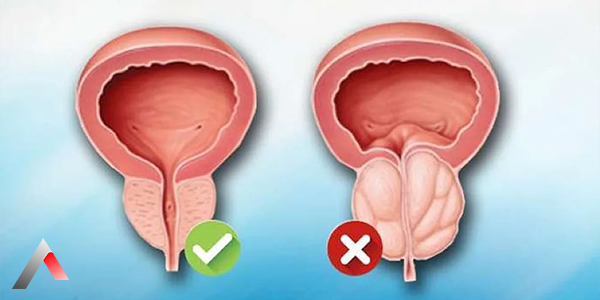
The prostate gland is a small gland located below the bladder in men and plays a role in the production of seminal fluid. Enlargement of the prostate gland with age can press on the urinary tract, causing various symptoms. This condition is especially common in men over 50 and tends to increase with advancing age.

Prostate enlargement is also referred to as benign prostatic hyperplasia (BPH) and should not be confused with cancer. However, BPH can lead to complications such as urinary obstruction, infection, and impaired kidney function.

Prostate_Enlargement_24ef3a44.webp

Prostate and Urological Anatomical Structure

The prostate gland is located just below the bladder, surrounding the urethra. The function of the prostate is to produce nourishing fluid for sperm and support ejaculation. Structures surrounding the prostate include:

  • Bladder: The organ that stores urine.
  • Urethra: The tube through which urine and seminal fluid are expelled from the body.
  • Seminal Vesicles: Produce nourishing fluid for sperm.
  • Pelvic Floor Muscles: Provide support for urinary control and sexual function.

Prostate enlargement exerts pressure on these anatomical structures, negatively affecting urine flow and quality of life.

Symptoms of Prostate Enlargement

The most common symptoms of prostate enlargement are:

  • Difficulty Urinating: Struggling to urinate due to pressure on the urethra.
  • Frequent Urination: The need to urinate frequently during the day due to increased bladder pressure.
  • Nocturia: The need to urinate several times at night.
  • Burning Sensation When Urinating: A burning or stinging feeling due to urinary tract inflammation.
  • Weak Urine Stream: Urine flow that is weak or dribbles.
  • Urinary Incontinence or Difficulty Holding Urine: Problems related to bladder control.

Symptoms vary depending on the size of the prostate and the pressure it exerts on the urinary tract. Some patients may experience only mild difficulty urinating, while others may have severe impairment of quality of life.

Causes of Prostate Enlargement

Although the exact cause of prostate enlargement is not fully known, aging and changes in hormone levels play an important role.

  • Aging: Growth of prostate cells increases in men over 50.
  • Hormones: Levels of testosterone and dihydrotestosterone (DHT) can affect prostate growth. DHT is a hormone that triggers the growth of prostate cells.
  • Genetic Factors: Men with a family history of prostate enlargement have an increased risk.
  • Lifestyle: Obesity, a sedentary lifestyle, and poor nutrition can affect hormone balance and trigger prostate growth.

Diagnosis of Prostate Enlargement

Accurate diagnosis is critical in determining the treatment plan. The following methods are used in the diagnostic process:

  • Physical Examination: The size and firmness of the prostate gland are evaluated through a rectal exam.
  • Urine Tests: Identify urinary tract infections and other urinary problems.
  • Prostate-Specific Antigen (PSA) Test: PSA level may indicate prostate enlargement or the risk of prostate cancer.
  • Transrectal Ultrasound (TRUS): Provides imaging of the size, shape, and structure of the prostate.
  • MRI if Necessary: Used for more detailed anatomical evaluation and surgical planning.
Diagnosis_of_Prostate_Enlargement_d3655526.webp

What is Laparoscopic Prostate Surgery?

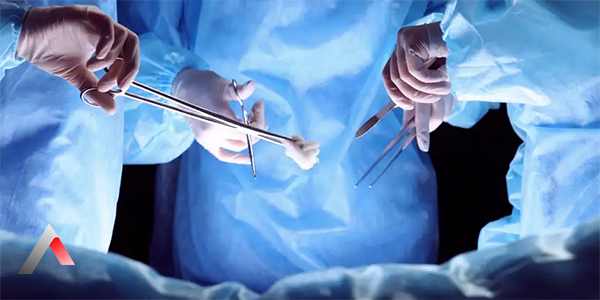
Laparoscopic prostate surgery is a minimally invasive surgical method performed to remove part of the prostate gland. It is carried out under general anesthesia. Several small incisions are made in the abdominal area, and a thin tube called a laparoscope is inserted. The laparoscope, equipped with a high-resolution camera and light source, allows the surgeon to clearly view the prostate and its surroundings.

With the help of specialized surgical instruments, the enlarged part of the prostate gland is removed, and urine flow is restored to normal. This method offers advantages over open surgery, including less pain, faster recovery, and smaller scars.

Advantages of Laparoscopic Prostate Surgery

  • Minimally Invasive: Small incisions reduce tissue damage and pain.
  • Fewer Complications: Lower risk of infection and bleeding compared to open surgery.
  • Rapid Recovery: Patients can return to daily activities in a short time.
  • Short Hospital Stay: Usually discharged within 1–2 days.
  • Smaller Scars: Provides aesthetic advantages.

Preoperative Preparation

  • Blood and Urine Tests: General health status is evaluated.
  • Imaging: The condition of the prostate is clarified using TRUS or MRI.
  • Anesthesia Assessment: Suitability for general anesthesia is checked.
  • Informed Consent: The surgical process and risks are explained to the patient in detail.
Surgical Procedure
  • Anesthesia: General anesthesia is administered, and the patient does not feel pain.
  • Laparoscope Placement: Small incisions are made in the abdominal area, and the laparoscope and surgical instruments are inserted.
  • Prostate Removal: The surgeon removes the enlarged part of the prostate using specialized instruments.
  • Completion of Procedure: Instruments are removed, incisions are closed, and a sterile dressing is applied.
Postoperative Recovery
  • Hospital Stay: Usually 1–2 days.
  • Pain Management: Pain is controlled with analgesic medications.
  • Rest: Avoid strenuous activities; light walking is recommended.
  • Recovery Time: Patients can return to daily life within 1–2 weeks.
  • Urinary Control: Temporary urinary incontinence may occur after surgery; it is managed with exercises and doctor’s guidance.
Postoperative Risks
  • Bleeding: Mild bleeding may occur after surgery.
  • Infection: Rarely, infection may develop at the surgical site.
  • Urinary Incontinence: Exercises to strengthen the pelvic floor muscles are recommended.
  • Erectile Dysfunction: Rarely, temporary or permanent erection problems may occur.
  • Recurrence of Fibroid or Prostate Enlargement: Should be monitored with regular check-ups.
Postoperative Life and Preventive Measures
  • Balanced Nutrition and Fluid Intake: Supports urinary tract health.
  • Regular Exercise: Strengthens pelvic floor muscles and improves urinary control.
  • Limiting Alcohol and Smoking: Supports the recovery process.
  • Regular Doctor Check-Ups: Important to prevent prostate regrowth and detect early complications.
Laparoscopic Prostate Surgery at A Life Health Group
  • Expert Medical Team: We provide services through an experienced and specialized team in laparoscopic prostate surgery.
  • Individualized Treatment Plans: We create customized treatment plans according to each patient’s needs.
  • Safe and Effective Treatment Methods: We use the latest technology and safe treatment methods.
  • Patient Satisfaction: The satisfaction of our patients is our priority.
  • Confidentiality: The privacy of your health information is extremely important to us.

Contact Us Immediately!
If you are experiencing symptoms of prostate enlargement or have concerns about this condition, contact A Life Health Group immediately. Our expert team is here to assist you in the best possible way.

To learn more about laparoscopic prostate surgery and discuss treatment options, please fill out the quick form on our website.

A Life Health Group is here to take care of every aspect of your health.

Frequently Asked Questions
  1. What is the difference between laparoscopic prostate surgery and open surgery?
    It provides less pain and faster recovery because it is performed with minimal incisions.
  2. When can I return to normal life after surgery?
    Most patients can return to their daily activities within 1–2 weeks.
  3. Will urinary control return to normal?
    In most patients, urine flow and control return to normal after surgery; exercises and doctor follow-up are important.
  4. Does the surgery affect the risk of prostate cancer?
    This surgery is for prostate enlargement; the cancer risk is different and is monitored with regular PSA tests.
Contact Us Immediately

If you are experiencing symptoms of prostate enlargement or want information about treatment options, you can contact A Life Health Group. Our expert team is ready to provide a safe, fast, and effective treatment plan for you.

Prepared by A Life Medical Editorial Board.

Last Updated: 6 Kasım 2025 14:05

Publish Date: 20 Eylül 2024 15:50

Laparoscopic Prostate Surgery

Quick Application Form

Please fill in the fields below so that we can reach you

Related Departments
Related Doctors
Mustafa Kemal Atikeler
Prof. Dr. Mustafa Kemal Atikeler

Urology

Similar Contents

Do you need help?

We are here for all your questions and problems 24/7.