

A Life Health Group provides superior care and innovative treatment methods in critical procedures such as ureteral J stent placement with its expert teams in the field of urology. A ureteral J stent is a thin, flexible tube placed in the ureter to ensure the flow of urine from the kidneys to the bladder. This intervention helps to quickly and effectively resolve obstructions in the ureter.
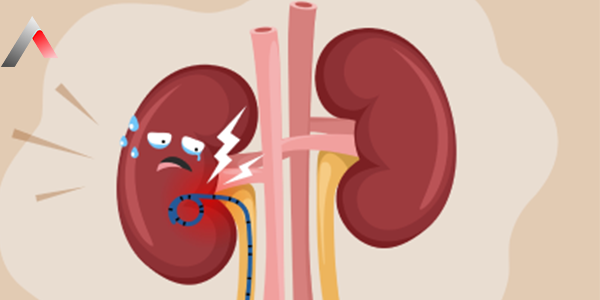
A ureteral J stent is a thin and flexible plastic tube placed into the ureter, the canal extending from the kidney to the bladder. The “J”-shaped curves at both ends allow the stent to remain fixed both inside the kidney and inside the bladder. These curves prevent the stent from slipping out of the urinary tract.
The primary function of the stent is to create an open channel that enables urine to flow easily from the kidney to the bladder. This procedure is usually performed using endoscopic methods, meaning it is minimally invasive without the need for a large incision in the body.
Stents are generally placed temporarily. Depending on the need, they may remain in the body from a few weeks to several months. For longer-term use, they need to be replaced at regular intervals.
A ureteral J stent is used in the management of various problems that occur in the urinary tract. The most common indications are:
Ureteral Obstruction
Kidney stones, strictures in the ureter, tumors, or scar tissue developing after surgery can block the ureteral canal. In this case, urine cannot flow down from the kidney, leading to swelling in the kidney (hydronephrosis). This condition causes both pain and impaired kidney function. Placement of a ureteral J stent quickly relieves the obstruction and prevents kidney damage.
Post-Surgical Support
After urological surgeries, a temporary stent may be placed to support the healing process of the ureter. This reduces the pressure on the ureteral wall, accelerates wound healing, and minimizes the risk of complications.
Urine Leakage or Stricture
Congenital ureteral narrowings or scar tissue that develops later may hinder urine flow. With the help of the stent, urine passage is facilitated, and the pressure balance between the bladder and the kidney is maintained.
Oncological Reasons
Tumors growing around the ureter (such as bladder or gynecological tumors) may compress the ureteral canal and obstruct urine flow. In such cases, stent placement is vital to protect kidney function.
Trauma and Injuries
After accidents, surgical interventions, or mechanical injuries to the ureter, the stent keeps the canal open and supports the healing process.
The use of a ureteral J stent offers numerous advantages for patients experiencing urinary tract obstructions.
A ureteral J stent provides rapid relief in emergencies while also serving as a critical tool for protecting kidney health in the long term.
At A Life Health Group, a comprehensive evaluation process is carried out before ureteral stent placement. The overall health condition of the patients, the cause of the obstruction, and the necessity of the stent are carefully assessed. Accurate diagnosis is made using imaging techniques.
Our expert urology surgeons perform ureteral J stent placement using the most up-to-date techniques. This procedure, carried out with minimally invasive methods, is usually performed under general or local anesthesia, ensuring patient comfort and accelerating the recovery process.
While providing our patients with high-standard care, we prioritize patient safety and satisfaction in all our procedures. We offer comprehensive counseling services before and after surgery, keeping patients and their families well informed.
After surgery, we provide regular follow-up and care services to ensure the best possible recovery for our patients. With personalized recovery plans and check-ups, we continue to stand by them throughout the process.
Stent procedures are generally safe; however, complications may occur in some cases:
These risks can be minimized with regular follow-up and proper placement.
After a stent is placed, patients may experience some changes in their daily lives.
Daily Activities
Precautions
Possible Side Effects
A Life Health Group provides safe and expert solutions for relieving obstructions with ureteral J stent placement. Our expert team resolves issues in your urinary tract using minimally invasive techniques.
A Life Health Group helps you overcome urinary tract obstructions with the ureteral J stent procedure. With our specialist team and advanced technology, we offer permanent solutions to your health problems. Regain your health in safe hands!
Ureteral J stent placement is a minimally invasive procedure that is critically important for protecting kidney and urinary tract health. It quickly relieves obstructions, reduces pain, and lowers the risk of infection. Long-term success is achieved through regular follow-up and a patient-centered approach.
A Life Health Group provides safe and effective solutions for ureteral J stent placement with its expert urology team, modern technology, and patient-focused approach. You are in safe hands to regain your health and improve your quality of life.
Regain your health with confidence with A Life Health.
Last Updated: 6 Kasım 2025 14:05
Publish Date: 25 Nisan 2024 10:18

Please fill in the fields below so that we can reach you
We are here for all your questions and problems 24/7.


 TR Türkçe
 EN English
 0 (850) 888 54 33


 E-Appointment
 E-Appointment
  E-Result




 0 (850) 888 54 33
 WhatsApp
 E-Appointment