

Effective treatment for prostate enlargement with the TURP method at A Life Health Group! Removal of prostate tissue through Transurethral Resection (TURP) provides a fast recovery and a comfortable process. For detailed information and appointments, visit our website.
The prostate gland is a walnut-sized organ located just below the bladder in men, surrounding the urinary tract. It plays a role in producing fluid that helps transport sperm cells. Under normal conditions, the prostate remains small and stable in healthy men. However, with aging, changes in hormone balance and cell proliferation cause growth in prostate tissue.
Benign prostatic hyperplasia (BPH) refers to the non-cancerous enlargement of the prostate gland. This growth can press on the urinary tract and make urine flow difficult. Mostly occurring after the age of 50, this condition can be seen in about half of older men.
BPH should not be confused with prostate cancer. Prostate enlargement is benign and does not pose a direct life-threatening risk; however, if left untreated, it can lead to serious complications.
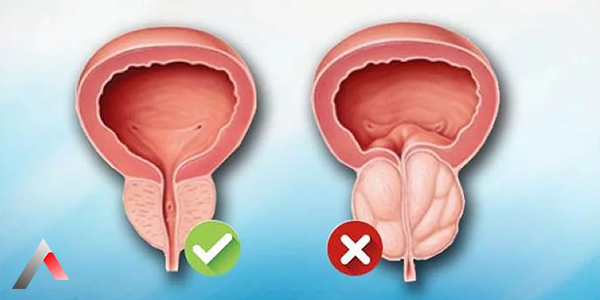
The most common symptoms of prostate enlargement are:
Although the exact cause of prostate enlargement is unknown, aging and changes in hormone levels may play a role. Cell growth in the prostate increases with age, which can lead to enlargement of the gland. Additionally, decreased testosterone levels may trigger prostate growth.
The diagnosis of prostate enlargement is made by evaluating the patient’s symptoms and performing the following tests:
Prostate enlargement does not progress with the same severity in every man. Some experience mild symptoms, while others have symptoms that significantly restrict daily life. Therefore, the treatment plan should be personalized.
Medication Therapy
For patients with mild to moderate prostate enlargement, the first choice is usually medication. Medications are divided into two main groups:
Medication therapy alleviates symptoms but does not provide a permanent solution.
Lifestyle Changes
Simple measures can reduce symptoms of prostate enlargement. These include reducing caffeine and alcohol intake, limiting fluid consumption in the evenings, regular exercise, and weight management.
Minimally Invasive Interventions
When medications are insufficient, minimally invasive methods are applied as an alternative to surgery. Techniques such as microwave therapy, needle ablation, Rezum water vapor treatment, and UroLift aim to reduce prostate tissue. However, they may not be suitable for every patient.
Surgical Methods
Surgical treatment is preferred in cases of severe prostate enlargement or when complications have developed. Transurethral resection (TURP) has long been considered the “gold standard” method.
Transurethral resection (TURP) is a minimally invasive surgical procedure performed to remove part of the prostate gland. The surgery is conducted under general anesthesia. A thin tube (resectoscope) is inserted into the urethra, and the overgrown part of the prostate gland is cut and removed.
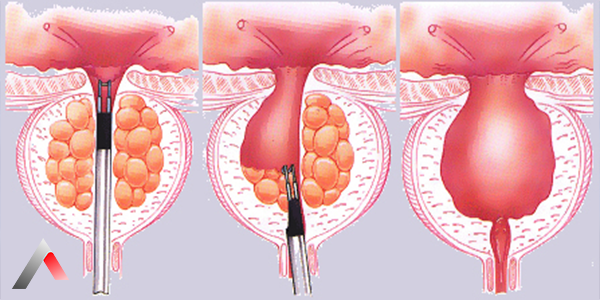
The surgery typically lasts 60–90 minutes, and the patient is discharged on the same day or within a few days.
At A Life Health Group, if you are diagnosed for TURP surgery, our expert doctors and experienced healthcare staff will carefully listen to you and create a personalized treatment plan to determine the most suitable therapy for you.
The recovery period after TURP is generally quick, but the patient should follow certain guidelines.
Like any surgical procedure, TURP carries certain risks:
Most of these complications are temporary and resolve with appropriate treatment.
Contact Us Immediately!
If you are experiencing symptoms of prostate enlargement or have concerns about this condition, contact A Life Health Group immediately. Our expert team is here to assist you in the best possible way.
To learn more about TURP surgery and discuss treatment options, please fill out the quick form on our website.
A Life Health Group is here to take care of every aspect of your health.
Last Updated: 6 Kasım 2025 14:05
Publish Date: 20 Eylül 2024 15:53
-68ecb7dd52a5f0.25476377.webp)
Please fill in the fields below so that we can reach you
We are here for all your questions and problems 24/7.


 TR Türkçe
 EN English
 0 (850) 888 54 33


 E-Appointment
 E-Appointment
  E-Result


 0 (850) 888 54 33
 WhatsApp
 E-Appointment