
Penile Plication Surgery

Penile Plication – Reliable Solutions

A Life Health Group, with its specialized team in urological surgery, offers innovative solutions such as penile plication. Penile plication is a surgical procedure performed for men experiencing penile curvature problems, such as Peyronie’s disease. This procedure aims to restore the penis to a functionally and aesthetically straight shape, enhancing patients’ quality of life.

What is Penile Plication?

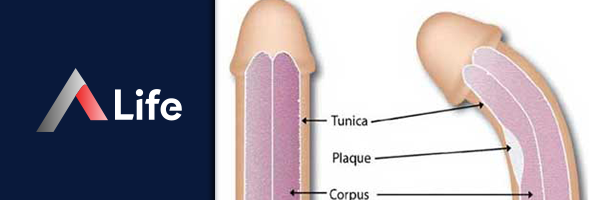
Penile plication surgery is a procedure typically performed on men who experience penile curvature during erection (such as in Peyronie’s disease) or erectile dysfunction. This surgical procedure is carried out to correct the curvature of the penis. The curvature can often cause pain during erection, difficulties during sexual intercourse, and aesthetic concerns.

In penile plication surgery, sutures are placed in specific areas of the curved portion of the penis. These sutures help the penis achieve a straighter position. This procedure is generally preferred because it can correct the curvature without impairing erectile function.

The surgery is usually performed through a small incision, and the recovery period can be relatively short. However, like any surgical procedure, potential risks and complications may exist.
Penile_Plication_c1248c06.webp

Goals and Benefits of Penile Plication Surgery

Goals:

  1. Correcting Penile Curvature: The primary goal of penile plication surgery is to straighten the penis during erection. Curvature can occur in conditions such as Peyronie’s disease and may cause pain during erection.

  2. Improving Sexual Function: Correcting the curvature eliminates difficulties during sexual intercourse, allowing men to enjoy a more comfortable and satisfying sexual life.

  3. Aesthetic Improvement: The shape and appearance of the penis can affect a person’s self-confidence. The surgery aims to address aesthetic concerns and achieve a more symmetrical appearance.

  4. Reducing Pain: Pain during erection may result from the curvature. This surgical procedure helps relieve pain, providing comfort to patients.

Benefits:

  1. Curvature Correction: Straightening the penis allows it to function more naturally and effectively, improving performance and comfort during sexual activity.

  2. Enhanced Quality of Sexual Life: Less discomfort and pain during erection can significantly improve sexual life quality.

  3. Minimal Recovery Time: Penile plication surgery is known for its relatively quick recovery. Most patients can return to normal activities within a few weeks.

  4. Aesthetic Gains: Improvements in the penis’s appearance can boost self-confidence and provide psychological relief.

  5. Reduced Risk of Complications: Compared to more complex surgeries, penile plication carries a lower risk of complications.

This surgical procedure can be an effective solution for patients experiencing sexual dysfunction or aesthetic concerns due to penile curvature.

Who is Suitable for Penile Plication Surgery?

Penile plication surgery is a procedure chosen based on specific conditions and needs. The following situations indicate patients who may be suitable for surgery:

Suitable Candidates for Penile Plication Surgery:

  1. Men with Peyronie’s Disease: Peyronie’s disease causes the connective tissue in the penis to harden, leading to curvature. These patients may experience pain during erection and difficulty during sexual intercourse. Surgery is suitable to correct this curvature.

  2. Men with Penile Curvature and Deformity: Men experiencing significant curvature or deformity during erection and discomfort from it are candidates for penile plication surgery. Curvature can impair sexual function and cause psychological issues.

  3. Men Facing Difficulties During Sexual Intercourse: Men who struggle with sexual intercourse due to curvature during erection can benefit from this surgery. The procedure aims to provide a more comfortable sexual experience.

  4. Men Experiencing Pain and Dysfunction: Patients experiencing pain or erectile dysfunction due to penile curvature may have reduced pain and improved sexual function through penile plication surgery.

  5. Men with Aesthetic Concerns: Men dissatisfied with the appearance of their penis may undergo surgery to address aesthetic concerns, enhancing self-confidence.

Factors to Consider Before Surgery:

  • Severity of Penile Curvature: The success of the surgery depends on the degree of curvature and the extent of deformity. Cases with minimal curvature may not require surgery.
  • General Health Status: The patient’s overall health should be evaluated before surgery. Chronic conditions such as diabetes or heart disease may pose risks during the surgical process.
  • Age and Lifestyle: Age can affect recovery and surgical effectiveness. Younger and healthier individuals generally experience faster recovery.

Unsuitable Candidates:

  • Insufficient Erectile Function: If erectile function is severely impaired and another treatment such as a penile prosthesis is required, penile plication surgery may not be appropriate.
  • Active Infection or Other Health Issues: Surgical intervention is not recommended for patients with infection risks or other health conditions that may prevent surgery.

Penile plication surgery can be an effective solution for suitable patients, but, as with any surgical procedure, a detailed evaluation by a specialized doctor is essential.

Surgical Process: Step-by-Step Penile Plication

Penile plication surgery, although generally a straightforward procedure, requires expertise. The procedure involves placing sutures in specific areas of the penis to correct curvature. Here is the step-by-step process of penile plication surgery:

1. Preparation Phase

  • Doctor Evaluation: Before surgery, the patient’s overall health is assessed. The degree and shape of penile curvature are also determined. The doctor decides whether the surgery is appropriate.
  • Anesthesia Selection: Penile plication surgery is usually performed under local anesthesia, though general anesthesia may be chosen in some cases. The anesthesiologist selects the most suitable type for the patient.

2. Surgical Area Preparation

  • Sterilization: Prior to surgery, the surgical area is thoroughly cleaned and sterilized to prevent infection.
  • Anesthesia Application: The selected anesthesia method is applied. With local anesthesia, the penis and surrounding area are numbed.

3. Incision

  • Small Incision: A small incision is made on the underside of the penis, usually in a discreet area. This incision allows the surgeon to access the penis for the procedure.

4. Tissue Examination and Plication (Suturing)

  • Determining Curvature: The surgeon assesses the degree and location of the curvature and plans the procedure accordingly.
  • Placing Sutures: Sutures are placed at specific points on the curved portion of the penis to straighten it. The sutures are typically placed in the connective tissues and correct the shape without affecting erectile function.

5. Closure and Recovery

  • Closing the Incision: After suturing, the incision is carefully closed. Sutures are usually absorbable, though some cases may require removal.
  • Sterile Dressing: A sterile bandage is applied to protect the surgical site from infection.

6. Recovery Period and Care

  • Initial Recovery: After surgery, the patient may be monitored for a few hours. Once anesthesia wears off, the patient can go home.
  • Rest and Recovery: Patients are generally advised to rest for a few days. Heavy physical activities should be avoided during the first week.
  • Pain Management: Pain or discomfort may occur during recovery. Pain relievers and anti-inflammatory medications can be used.

7. Follow-Up and Next Steps

  • Follow-Up Appointments: The first follow-up usually takes place a few days after surgery. Regular check-ups monitor whether recovery is progressing properly.
  • Sexual Activity: The doctor will advise when it is safe to resume sexual activity, generally a few weeks after full recovery.

8. Results and Long-Term Monitoring

  • Aesthetic and Functional Improvement: Penile plication surgery usually results in a straighter and more functional penis during erection. Pain and difficulties during sexual activity are reduced, and aesthetic improvement is observed.
  • Potential Complications: As with any surgery, penile plication may involve complications such as infection, bleeding, or suture issues. These are carefully monitored by the doctor.

Penile plication surgery is generally performed with minimal risk and a rapid recovery. However, the treatment process should always be evaluated individually for each patient.

Recovery Process After Penile Plication Surgery

The recovery process following penile plication surgery can vary depending on the patient’s overall health, the complexity of the surgery, and post-operative care. Generally, the recovery progresses through the following stages:

1. Initial Recovery Phase (0–2 Days)

  • Hospital Observation: Patients are usually monitored for a few hours post-surgery to ensure anesthesia effects have worn off.
  • Pain and Discomfort: Mild pain or discomfort may occur during the first days. Pain relievers and anti-inflammatory medications are typically prescribed.
  • Swelling and Bruising: Mild swelling or bruising around the penis is normal and usually subsides within a few days.
  • Sterile Bandage: A bandage is applied to the surgical site. Proper care and maintenance according to the doctor’s instructions are important.

2. First Week (1–7 Days)

  • Rest and Activity Restrictions: Heavy physical activity, sexual intercourse, and sports should be avoided during the first week. This helps accelerate healing and reduces the risk of complications.
  • Cold Compress: Cold compresses may be applied to reduce swelling and bruising, as advised by the doctor.
  • Suture Care: Sutures are usually absorbable, but in some cases, they may need to be removed. The doctor will provide instructions if necessary.

3. Recovery and Gradual Relief (2–4 Weeks)

  • Pain Reduction: Pain generally decreases significantly during this period. Patients can resume daily activities, but should avoid intense physical activity and sexual intercourse until cleared by the doctor.
  • Resuming Sexual Activity: Sexual activity is typically allowed after 3–4 weeks, though this may vary per patient. Doctor’s guidance is essential.
  • Follow-Up Checks: Regular follow-ups monitor healing progress. The first check-up is usually scheduled one week after surgery, with subsequent appointments based on recovery.

4. Long-Term Recovery (1–6 Months)

  • Visible Results: Curvature correction and aesthetic improvements usually become fully noticeable a few months post-surgery. Most patients see final results within 3–6 months.
  • Return to Physical Activity: The doctor advises when normal physical activities, including sports, can resume—typically after 1–2 months.
  • Psychological Effects: Improved aesthetics and restored sexual function can boost confidence. Psychological support may be considered if needed.

5. Potential Complications and Risks

  • Infection: There is always a risk of infection post-surgery. Proper hygiene and follow-ups minimize this risk.
  • Bleeding: Rarely, bleeding may occur post-surgery. In such cases, contact your doctor immediately.
  • Suture Problems: Sutures may open or be rejected by the body, requiring additional intervention.
  • Erectile Issues: Some men may experience temporary or permanent erectile function changes. Discuss potential risks with the doctor before surgery.

Key Recovery Guidelines:

  • Follow Doctor’s Instructions: Adhering to post-operative care instructions is crucial for smooth recovery.
  • Avoid Physical Overexertion: Avoid heavy lifting, running, or sexual activity for the first few weeks.
  • Maintain Hygiene: Keep the surgical site clean to reduce infection risk.

Recovery after penile plication surgery is generally smooth and quick, though individual recovery times may vary depending on the patient’s body and health condition.

Risks and Complications of Penile Plication Surgery

Although penile plication surgery is generally considered safe, like any surgical procedure, it carries potential risks and complications. Awareness and early intervention are important for optimal outcomes. Below are the key risks and complications:

1. Infection Risk

  • Explanation: Any surgical procedure carries a risk of infection. In penile plication, infection can occur at the incision site and may affect healing.
  • Signs: Redness, swelling, excessive pain, or pus.
  • Prevention & Treatment: Sterile techniques and post-operative care are crucial. If infection occurs, antibiotics may be prescribed.

2. Bleeding

  • Explanation: Bleeding can occur during or after surgery. Rarely, it may require additional intervention.
  • Signs: Severe bleeding, bruising, or swelling.
  • Prevention & Treatment: Careful surgical technique reduces risk. Uncontrolled bleeding may require prompt surgical management.

3. Suture Issues

  • Explanation: Sutures may open, slip, or be rejected by the body, potentially affecting healing.
  • Signs: Opening of sutures, asymmetry, or wound dehiscence.
  • Prevention & Treatment: Proper placement of sutures is essential. Additional surgery may be needed if problems occur.

4. Erectile Dysfunction

  • Explanation: While plication generally does not impair erectile function, some patients may experience temporary or rarely permanent erectile issues.
  • Signs: Reduced rigidity or difficulty achieving erection.
  • Prevention & Treatment: Most cases are temporary; persistent issues may require further evaluation or treatment.

5. Changes in Penis Size or Shape

  • Explanation: Rarely, surgery may slightly alter penis size or shape, potentially affecting aesthetic satisfaction.
  • Signs: Visible asymmetry or unmet expectations regarding curvature correction.
  • Prevention & Treatment: Preoperative counseling on realistic outcomes is crucial. Severe aesthetic concerns may require revision surgery.

6. Sensory Loss

  • Explanation: Rare nerve damage can occur during surgery, leading to temporary or permanent loss of sensation.
  • Signs: Numbness or reduced sensitivity in the penis.
  • Prevention & Treatment: Careful surgical technique minimizes risk. Any sensory issues should be promptly evaluated by the surgeon.

7. Scarring

  • Explanation: Surgical scars may develop, usually fading over time, but some patients may find them cosmetically concerning.
  • Signs: Visible incision marks.
  • Prevention & Treatment: Proper wound care reduces scarring; scar revision may be considered if necessary.

8. Incision Site Complications (Hematoma or Seroma)

  • Explanation: Blood (hematoma) or fluid (seroma) may accumulate at the incision site, generally resolving with proper care.
  • Signs: Swelling, bruising, or fluid accumulation.
  • Prevention & Treatment: Rest and proper wound care are usually sufficient. Occasionally, drainage may be required.

9. Psychological Impact

  • Explanation: Surgery may affect confidence and sexual self-image.
  • Signs: Anxiety, dissatisfaction, or depressive feelings.
  • Prevention & Treatment: Pre- and post-operative counseling helps manage expectations and supports mental well-being.

10. Recurrence of Curvature

  • Explanation: The penile curvature may recur post-surgery, usually due to incomplete correction or tissue behavior.
  • Signs: Return of previous curvature.
  • Prevention & Treatment: Careful surgical planning reduces risk; repeat surgery may be needed in rare cases.

Conclusion
Penile plication surgery is generally safe, but all patients should be informed of potential risks. Preoperative consultation, careful surgical technique, and attentive post-operative care are essential to minimize complications and achieve optimal functional and aesthetic outcomes.

Penile Plication Surgery and Erectile Function: How It Helps

Penile plication surgery is an effective treatment for men experiencing difficulties with erections due to penile curvature or abnormal bends. While the procedure does not directly improve erectile function, it offers significant benefits by correcting curvature and enhancing sexual function. Here’s how penile plication can help with erectile issues:

1. Correction of Curvature and Erectile Function

  • Effect of Curvature on Erection: Penile curvature can cause pain, difficulty, or abnormal angles during erections, affecting both physical and psychological aspects of erectile function. Correcting the curvature allows erections to occur more naturally, improving the ability to engage in sexual activity.
  • Role of Surgery: Penile plication reshapes the penis, enabling erections to be straighter and less painful. This stabilization helps men have more comfortable and satisfying sexual experiences.

2. Reduction of Painful Erections

  • Pain and Discomfort: Curvature may cause painful erections, often associated with Peyronie’s disease. Severe curvature can lead to avoidance of sexual activity and psychological stress.
  • Surgical Benefit: Correcting the curvature significantly reduces erection-related pain, providing physical relief and supporting a healthier sexual life.

3. Psychological Effects and Erectile Function

  • Confidence Issues: Penile curvature can negatively impact self-esteem. Concerns about appearance and discomfort during sexual activity may contribute to erectile difficulties, anxiety, or depression.
  • Psychological Benefits of Surgery: Surgical correction improves both aesthetics and function, boosting confidence and sexual satisfaction. This can indirectly enhance erectile function by reducing stress and performance anxiety.

4. Postoperative Erectile Function

  • Recovery Phase: Most patients notice improvement in erectile function as the curvature is corrected. Erections become more natural, and previous difficulties are alleviated.
  • Return to Sexual Activity: Recovery usually takes a few weeks, and full erectile function may continue to improve over several months, depending on individual healing.

5. Penile Plication in Peyronie’s Disease

  • Peyronie’s Disease: Characterized by fibrous plaques or scar tissue causing penile curvature and painful erections, leading to avoidance of sexual activity.
  • Effect of Surgery: Penile plication is a common surgical method for correcting curvature due to Peyronie’s disease. The procedure restores erectile function and improves sexual quality of life.

6. Surgical Outcomes and Erectile Function

  • Success Rate: The effectiveness of penile plication depends on the severity of curvature and surgical precision. Most patients experience significant improvement in erectile function.
  • Risks and Considerations: Temporary or permanent erectile issues may occur, though careful postoperative care and adherence to medical guidance minimize these risks.

Conclusion:
Penile plication surgery effectively corrects penile curvature and can positively impact erectile function. By straightening the penis, the procedure reduces pain, enhances stability during erections, and improves sexual confidence. Attention to recovery and following the surgeon’s recommendations are crucial for achieving optimal functional and psychological outcomes.

Penile Plication Surgery: Postoperative Sexual Function and Quality of Life

Penile plication surgery often leads to significant improvements in sexual function and overall quality of life. The procedure is particularly beneficial for patients with penile curvature, enhancing sexual health and confidence. Individual recovery may vary, depending on the precision of the surgery and the patient’s general health. The effects on sexual function and quality of life include:

1. Improvement in Sexual Function

  • Correction of Curvature: Penile plication straightens the penis, allowing erections to assume a more natural position. Preoperative curvature can cause pain, difficulty, or discomfort during intercourse. Post-surgery, these issues are usually resolved, and erections become more comfortable.
  • Natural Erections: Straightening the penis leads to smoother, more natural erections, providing both physical and psychological relief. Pain and stress associated with erections decrease, resulting in improved sexual function.
  • Enhanced Intercourse Quality: Many men notice a marked improvement in sexual activity post-surgery, with reduced difficulties and discomfort during intercourse.

2. Psychological Benefits and Self-Confidence

  • Increased Confidence: Penile curvature can negatively affect self-esteem. After surgical correction, men often feel more comfortable and confident. Improved sexual health reinforces psychological well-being and promotes a healthier sexual life.
  • Psychological Relief: Discomfort and anxiety during intercourse diminish after surgery, contributing to overall quality of life improvements.

3. Increased Sexual Desire

  • Reduced Anxiety and Concern: Pain or discomfort during intercourse can lower sexual desire. Correcting curvature alleviates these issues, encouraging a more active sexual life.
  • Resumption of Sexual Activity: Men typically regain interest in sexual activity post-surgery, and improvements in erectile function can motivate resumption of a satisfying sexual life.

4. Erectile Quality and Duration

  • Stronger Erections: Straightening the penis enhances erectile strength and stability.
  • Longer Duration: Corrected curvature may also prolong erection duration, improving the overall sexual experience.
  • Reduced Sexual Disinterest: As erectile function improves, sexual disinterest decreases, supporting a healthier sexual drive.

5. Overall Quality of Life Improvements

  • Less Physical Discomfort: Pain, swelling, and discomfort associated with curvature are alleviated, allowing for a more comfortable daily life.
  • Better Social Interaction: Enhanced sexual health can positively affect social relationships, as men feel more confident and engaged in social activities.

6. Recovery and Follow-Up

  • Recovery Period: Postoperative recovery typically lasts a few weeks. During this time, patients may need to abstain from sexual activity. Once recovery is complete, erectile function and sexual quality of life are expected to improve.
  • Follow-Up Care: Regular doctor visits are essential to monitor surgical outcomes and sexual function. Additional treatment or support may be provided if necessary.

Conclusion:
Penile plication surgery effectively corrects penile curvature and improves erectile function. Postoperatively, sexual satisfaction increases, self-confidence rises, and overall quality of life is enhanced. Pain, sexual dysfunction, and psychological stress are reduced, allowing men to enjoy a healthier and more fulfilling sexual life.

Alternative Treatment Methods and Comparison with Penile Plication

Penile plication surgery is an effective treatment option to correct curvature of the penis. However, this surgical procedure may not be suitable for every patient, and some patients may prefer alternative treatment methods before surgery. Compared to penile plication surgery, alternative treatment methods have various advantages and limitations. Here is a comparison of penile plication and alternative treatment methods:

1. Penile Plication Surgery
Purpose: Penile plication surgery is a procedure used to correct penile curvature. The surgical intervention eliminates the curvature and provides a more natural and painless experience during erection.

  • Advantages:
  • Corrects curvature permanently.
  • Improves erectile function.
  • Eliminates pain and discomfort during sexual intercourse.
  • Provides psychological confidence boost.
  • Limitations:
  • Requires surgery, which involves anesthesia, recovery time, and potential complications.
  • May not be suitable for all patients, especially in cases of severe curvature.
  • Recovery may take several weeks.

2. Alternative Treatment Methods
Alternative treatment methods are non-surgical options and are generally less invasive. These methods can be considered for patients with penile curvature who do not want surgery or are not suitable candidates for surgery.

a) Medications and Enzyme Therapy

  • Purpose: Penile curvature usually occurs due to Peyronie’s disease, which causes curvature by the accumulation of scar tissue in the penis. Treatment may include medications to reduce scar tissue.
  • Advantages:
  • Non-surgical.
  • Can be effective in the early stages of Peyronie’s disease.
  • Enzyme therapies aim to dissolve scar tissue.
  • Limitations:
  • Generally less effective than surgery.
  • Complete disappearance of scar tissue may be difficult.
  • Treatment duration can be long and results are not immediate.

b) Vacuum Devices

  • Purpose: Vacuum devices can be used to increase penile size and improve blood flow, promoting erection.
  • Advantages:
  • Non-surgical.
  • Simple to use.
  • Generally painless.
  • Limitations:
  • Vacuum devices are used to induce erection rather than correct curvature.
  • Provides short-term effects and does not offer a permanent solution.
  • Side effects may include tissue damage or bruising.

c) Penile Injection Therapy (Intracavernous Injection)

  • Purpose: Direct medication injections into the penis can treat curvature. This treatment may help dissolve scar tissue and make the penis more aligned.
  • Advantages:
  • Non-surgical.
  • Short treatment duration.
  • Various medications can improve erection quality.
  • Limitations:
  • Injections may be uncomfortable for some patients.
  • Requires ongoing treatment.
  • Does not provide a permanent solution, only temporary relief.

d) Exercises (Penile Exercises)

  • Purpose: Certain exercises and manual therapy methods can be suggested for penile curvature. These methods may improve blood flow and help correct curvature.
  • Advantages:
  • Non-surgical and natural.
  • Can be part of a healthy lifestyle.
  • Low cost.
  • Limitations:
  • May not be effective in severe curvature.
  • Time-consuming and requires patience.
  • Scientifically limited evidence of efficacy.

e) Shock Wave Therapy (Extracorporeal Shock Wave Therapy - ESWT)

  • Purpose: Shock wave therapy is used to improve blood circulation in the penis and promote healing of scar tissue. It is often used in the treatment of Peyronie’s disease.
  • Advantages:
  • Non-surgical.
  • Painless treatment option.
  • Improves blood flow.
  • Limitations:
  • May not be effective for all patients.
  • Long-term results require further research.
  • Treatment involves multiple sessions, which can be costly.

3. Penile Plication vs. Alternative Treatment Methods: Comparison

Treatment Method Advantages Limitations
Penile Plication Surgery Permanent solution, corrects pain and curvature, improves erectile function Surgical procedure, recovery time, risks and complications
Medications/Enzyme Therapy Non-surgical, effective in early stages Generally less effective than surgery, long treatment duration
Vacuum Devices Non-surgical, simple use, painless Short-term solution, not effective long-term
Penile Injection Therapy Non-surgical, fast effect Requires ongoing treatment, may be uncomfortable
Penile Exercises Natural, low-cost, healthy lifestyle Ineffective in severe cases, time-consuming
Shock Wave Therapy Non-surgical, painless, improves blood flow May not work for all patients, costly

Conclusion:
Penile plication surgery is one of the most effective and permanent methods for correcting penile curvature. However, alternative treatment methods are available for patients who do not want a surgical solution, and some patients may prefer these methods. Alternative treatments are less invasive than surgery but generally offer short-term results and may not always provide permanent outcomes. The most appropriate treatment option for each individual should be determined based on the severity of the curvature, the patient’s overall health, and the response to treatment.

Penile Plication Services
Detailed Pre-Assessment

Our specialists conduct a comprehensive evaluation to understand the unique needs of each patient and create the most suitable treatment plan. The degree of curvature is determined through physical examination and necessary tests.

Advanced Surgical Techniques

A Life Health Group performs penile plication procedures using the most up-to-date and effective surgical techniques. The procedure is carried out with a minimally invasive approach, enabling faster recovery.

Patient-Centered Care

We provide our services with the highest regard for our patients' comfort and privacy. At every stage, the support and guidance of our expert team enhance the patient experience.

Recovery Process and Support

Through ongoing follow-up visits after surgery, we provide our patients with rehabilitation and support. Personalized plans are prepared according to each individual's recovery time and needs.

Why Choose A Life for Penile Plication?
  • Expert Team: Our experienced urology surgeons work to achieve the best clinical outcomes.
  • Personalized Approach: A unique assessment and treatment plan is developed for each patient.
  • Safety and Comfort: We make your treatment process comfortable with modern infrastructure and a patient-centered service approach.

A Life Health Group provides effective solutions for penile curvature problems with penile plication. Achieve your aesthetic and functional health goals with this innovative surgical method performed by our experts.

A Life Health Group is here to professionally correct penile curvature and resolve your sexual health issues with penile plication surgery. Feel safe with our expert team and modern techniques. Your health is in expert hands!

Prepared by A Life Medical Editorial Board.

Last Updated: 6 Kasım 2025 14:05

Publish Date: 25 Nisan 2024 10:17
Penile Plication Surgery

Quick Application Form

Please fill in the fields below so that we can reach you

Related Departments
Related Doctors
Mustafa Kemal Atikeler
Prof. Dr. Mustafa Kemal Atikeler

Urology

Similar Contents

Do you need help?

We are here for all your questions and problems 24/7.