

A Life Health Group, with its specialized team in pediatric and urological surgery, provides effective solutions for significant health issues such as undescended testicle surgery. Undescended testicle (cryptorchidism) is defined as the condition in which one or both testicles have not descended into the scrotum at birth. This is one of the most common urological problems in boys and requires early intervention.
Undescended testicle (cryptorchidism) is a congenital condition in which the testicles in male infants remain in the abdomen instead of descending into the scrotum as they normally should. The testicles are expected to be located in the abdomen, the inguinal canal, or the scrotum. If the testicles do not descend into the scrotum after birth, this condition is called undescended testicle.
At birth, the absence of the testicles in the scrotum is usually a source of concern. However, in some cases, the testicles may descend into the scrotum on their own within the first few months after birth. Still, if the testicles have not descended by 6 months of age, surgical intervention may be required.
Undescended testicle is more than just an aesthetic problem; it can lead to various long-term health issues. Improper placement of the testicles can increase the risk of infertility and raise the likelihood of developing serious conditions such as cancer. Therefore, early diagnosis and treatment are of great importance.
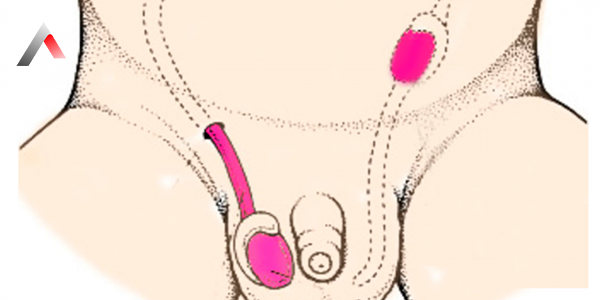
The causes of undescended testicle (cryptorchidism) usually arise from a complex interaction of factors. These may include:
These factors can affect the descent of the testicles into the scrotum and may require surgical intervention.
The diagnosis of undescended testicle is usually made during routine examinations at birth or in infancy. Early diagnosis is very important for treatment, as timely descent of the testicles into the scrotum can be critical for health. The main methods used in the diagnosis of undescended testicle are:
Early diagnosis provides a great advantage for treatment. Therefore, it is important to regularly check the presence of the testicles after birth.
Undescended testicle surgery is a treatment method applied for children whose testicles do not normally descend into the scrotum. For parents, early detection of this condition is very important because undescended testicles can lead to infertility, hormonal disorders, and other health problems later in life. If your child has a congenital or developmental undescended testicle, early surgical intervention is necessary.
Undescended testicle surgery is generally recommended to be performed between 6 months and 1 year of age, although the exact timing may be determined by the doctor depending on your child’s development and overall health. A Life Health Group performs such surgical procedures with expert surgeons and state-of-the-art equipment.
It is important for parents not to worry but to be well-informed. After the surgical procedure, children’s recovery is usually quick, and regular follow-ups are recommended. When parents have the right knowledge about caring for their child after surgery, they can manage the process in a healthier way.
Undescended testicle is usually noticed after birth and can be identified with the following symptoms:
It is important for parents to consult a pediatrician if they notice these symptoms. Early diagnosis ensures healthier outcomes in the treatment process.
Undescended testicle is a condition where the testicles are not located in the scrotum (testicular sac) after birth. Normally, before birth, the testicles descend from the abdomen into the scrotum. However, in some babies, this process is not completed, and the testicles may remain in the abdomen or groin. If not addressed early, this condition can have long-term effects on the child’s health.
Early intervention is critical in the management of undescended testicle. Here are some key points highlighting its importance:
Effects on Fertility
Early intervention helps the testicles develop in a healthy way. Failure of the testicles to descend can hinder normal sperm production, which may lead to infertility later in life. Therefore, surgical intervention is a critical step in protecting the child’s future reproductive health.
Reducing the Risk of Testicular Cancer
Undescended testicle increases the risk of testicular cancer in later years. Testicles normally function at a specific temperature outside the body. Undescended testicles remain at a higher temperature, which can create a basis for cancer development. Early surgical intervention can help reduce this risk.
Psychological and Social Effects
Physical differences caused by undescended testicles during childhood can affect the child’s self-confidence and social relationships. Early surgical intervention allows the child’s body to develop normally, which is important for psychological and social well-being.
Preservation of Testicular Functions
The testicles are hormone production centers of the body, and hormones play a critical role in puberty and growth. Undescended testicle may cause hormonal imbalances. Early intervention helps preserve testicular functions and supports normal hormonal development.
Surgical Intervention and Recovery Process
Undescended testicle surgery is usually recommended at around 6 months of age. Performing the intervention at an early age ensures a faster and smoother recovery process. Additionally, early surgeries carry a lower risk of postoperative complications.
Follow-up and Monitoring
Regular follow-up after early intervention is important to monitor testicular functions. After surgery, the development of the testicles should be tracked, and if any problems are detected, early treatment should be applied.
Conclusion
Undescended testicle, if not treated early, can affect a child’s physical, psychological, and reproductive health. At A Life Health Group, our expert team provides early intervention and monitoring services in such cases. Early diagnosis and treatment are of great importance to protect your child’s health and to avoid long-term consequences.
If left untreated, undescended testicle can lead to various health problems. Therefore, surgical intervention is usually necessary to correct the condition and prevent possible complications. The necessity and timing of surgery are determined by considering the location of the testicle, the specific situation, and potential complications.
Necessity of Surgical Intervention
If untreated, undescended testicle can cause the following problems:
Timing of Surgery
The timing of undescended testicle surgery is generally determined based on the following factors:
The timing of surgery is determined by the condition and location of the testicle, as well as the doctor’s recommendations. Early surgical intervention provides better health outcomes and helps prevent long-term complications.
Undescended testicle surgery usually requires a short recovery period, but careful postoperative care is essential. The recovery process may vary depending on the patient’s age, the type of surgery, and overall health condition. In general, the following factors should be considered during recovery:
First 24–48 Hours:
First Week:
Following Weeks:
Long-Term Follow-Up and Considerations:
Overall, if the recovery process after undescended testicle surgery progresses smoothly, the patient can return to normal life within a few weeks. However, it is important to follow the doctor’s instructions and attend regular check-ups during the healing process.
As A Life Health Group, we provide a comprehensive evaluation process to determine the presence of an undescended testicle. Diagnosis is made using physical examination and imaging techniques such as ultrasonography.
Surgical intervention is generally recommended between 6 months and 2 years of age and is performed using the most up-to-date techniques. Surgery performed with laparoscopic methods offers rapid recovery and low complication rates due to its minimally invasive nature.
Especially in pediatric surgery, we provide a safe and comfortable environment to ensure that our patients and their families feel at ease. With child-focused areas and our specialized team, we aim to minimize their anxiety.
In the postoperative period, we provide extensive care services to support recovery and the return of children to their daily activities. We prepare recovery plans tailored to individual needs, staying by the side of our patients.
A Life Health Group offers safe and innovative approaches in undescended testicle surgery. With child- and family-centered services, have your surgical procedure performed by expert hands.
A Life Health Group aims to protect and improve your children’s health with undescended testicle surgery. With our expert team and reliable treatment processes, we provide the best healthcare services for your children. Your health is our priority!
Last Updated: 6 Kasım 2025 14:05
Publish Date: 25 Nisan 2024 10:17

Please fill in the fields below so that we can reach you
We are here for all your questions and problems 24/7.


 TR Türkçe
 EN English
 0 (850) 888 54 33


 E-Appointment
 E-Appointment
  E-Result


 0 (850) 888 54 33
 WhatsApp
 E-Appointment