
Cystoscopy

What is Cystoscopy?

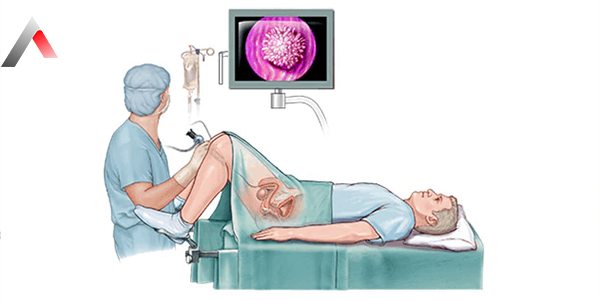
Cystoscopy is a procedure used to visualize the inside of the urinary tract. During this procedure, a thin, lighted tube called a cystoscope is inserted through the urethra and advanced into the bladder. The cystoscope has a camera and a light source at its tip, allowing the doctor to see the inner surface of the urinary tract, bladder, and prostate (in men). Cystoscopy can be used for both diagnostic and therapeutic purposes.

Cystoscopy_021ef88e.webp

Why is Cystoscopy Performed?

Cystoscopy can be performed for many different reasons. The most common reasons include:

  • Urinary Tract Infections: If urinary tract infections are recurrent or do not respond to treatment, cystoscopy can be used to check for any abnormalities in the urinary tract (such as strictures or stones).
  • Urinary Stones: Cystoscopy can be performed to determine if there are stones in the urinary tract or bladder and to see their location and size.
  • Bladder Cancer: Cystoscopy can be used to diagnose bladder cancer or evaluate suspicious conditions.
  • Prostate Enlargement: In men with prostate enlargement (BPH), cystoscopy can assess the pressure the prostate exerts on the urinary tract.
  • Urinary Incontinence: Cystoscopy can help identify the cause of urinary incontinence.
  • Other Reasons:
    • Blood in the urine
    • Pain or burning during urination
    • Frequent urination
    • Sudden urge to urinate
    • Urinary tract strictures
    • Congenital abnormalities in the bladder

Types of Cystoscopy

There are two main types of cystoscopy:

  • Flexible Cystoscopy: Performed using a flexible cystoscope. This method provides a more comfortable procedure and can usually be done under local anesthesia.
  • Rigid Cystoscopy: Performed using a rigid cystoscope. This method offers better visualization but can be more uncomfortable and usually requires sedation or general anesthesia.

The type of cystoscopy to be performed is determined by the doctor based on the patient’s condition and the purpose of the procedure.

How is Cystoscopy Performed?

Preparation Before the Procedure:

  • You may be asked to empty your bladder before the procedure.
  • In some cases, your doctor may prescribe antibiotics prior to the procedure.

During the Procedure:

  • The procedure is usually performed under local anesthesia. However, sedation or general anesthesia may be used in some cases.
  • The cystoscope is inserted through the urethra and advanced into the bladder.
  • The bladder is filled with a sterile liquid. This allows the bladder to expand and provides better visualization.
  • Using the camera at the tip of the cystoscope, the doctor examines the urethra, bladder, and prostate (in men).
  • If necessary, tissue samples (biopsy) can be taken, or minor surgical procedures can be performed.

After the Procedure:

  • It is recommended to rest for a few hours after the procedure.
  • Burning sensation during urination or slight bleeding may occur. These symptoms usually resolve within a few da
  • ys.Your doctor will provide information on what to watch for after the procedure.

Does Cystoscopy Hurt?

You may feel some discomfort during cystoscopy. However, this discomfort is usually mild and tolerable. The local anesthesia applied before the procedure helps reduce the discomfort. If you experience pain during the procedure, inform your doctor.

What Are the Risks and Complications of Cystoscopy?

Cystoscopy is generally a safe procedure, but like any medical intervention, it carries some risks. These risks may include infection, bleeding, urinary tract injury, and allergic reactions. However, these complications are rare.

Cystoscopy Prices

Cystoscopy prices may vary depending on the healthcare facility where the procedure is performed, the type of cystoscope used (flexible or rigid), and other factors.

Cystoscopy at A Life Health Group

A Life Health Group is a healthcare institution specialized in cystoscopy services. Our experienced urology specialists provide you with the highest quality and most reliable care using the latest cystoscopy technology.

Advantages offered by A Life Health Group:

  • Experienced and expert staff: Our urology specialists perform your cystoscopy procedure and evaluate your results.
  • State-of-the-art equipment: We obtain high-quality images using the latest cystoscopy devices.
  • Fast and reliable results: Receive your cystoscopy results quickly and reliably.
  • Comfortable and modern environment: We provide our services in a comfortable and modern setting.
  • Patient-centered approach: We address the unique needs of each patient.

Protect your urinary tract health with A Life Health Group!
Cystoscopy – Reliable Care

A Life Health Group, with its experienced urology team, provides reliable solutions at high standards for important diagnostic procedures such as cystoscopy. Cystoscopy is an endoscopic procedure used to evaluate the internal structure of the bladder and urethra. This procedure is necessary to effectively determine the source of urinary tract and bladder-related symptoms.

Prepared by A Life Medical Editorial Board.

Last Updated: 6 Kasım 2025 14:05

Publish Date: 25 Nisan 2024 10:18

Cystoscopy

Quick Application Form

Please fill in the fields below so that we can reach you

Related Departments
Related Doctors
Mustafa Kemal Atikeler
Prof. Dr. Mustafa Kemal Atikeler

Urology

Similar Contents

Do you need help?

We are here for all your questions and problems 24/7.