
Pancreatitis Surgery

What is Pancreatitis?

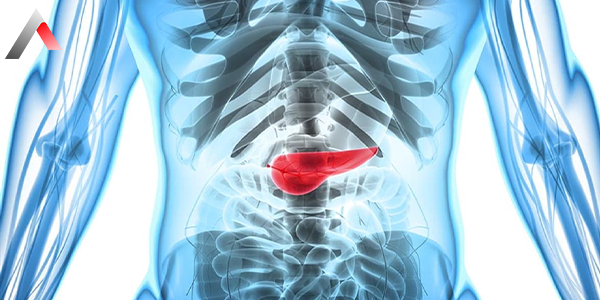
Pancreatitis is the inflammation of the pancreas. The pancreas is an organ located behind the stomach that produces enzymes and hormones to aid digestion. Pancreatitis occurs when these enzymes become active within the pancreas and damage pancreatic tissue.

Pancreatitis can be acute (sudden and severe) or chronic (long-lasting). Acute pancreatitis usually resolves within a few days, while chronic pancreatitis can cause permanent damage.

Pancreatitis_Surgery_68f1d1ea.webp

When is Pancreatitis Surgery Necessary?

Treatment for pancreatitis is usually managed with medications, fluid replacement, and rest. However, in certain situations, surgical intervention may be required. Pancreatitis surgery may be considered in the following cases:

  • Necrotizing Pancreatitis: A severe form of pancreatitis where part of the pancreatic tissue dies. Surgery may be necessary to remove the dead tissue.
  • Pancreatic Pseudocyst: Fluid-filled sacs that form as a result of pancreatic inflammation. Large or infected cysts may need to be surgically drained or removed.
  • Bile Duct Obstruction: Pancreatitis can cause blockage of the bile duct. Surgery may be required to relieve the obstruction and restore bile flow.
  • Pancreatic Cancer: Pancreatitis may increase the risk of pancreatic cancer. If cancer is suspected, surgery may be necessary for diagnosis and treatment.
  • Chronic Pancreatitis: In chronic pancreatitis causing severe pain or other complications, surgery may be performed to relieve pain or address complications.
What_is_Pancreatitis_Surgery_77ad6e87.webp

What Are the Types of Pancreatitis Surgery?

Pancreatitis surgery can be performed as open surgery or laparoscopic surgery. Laparoscopic surgery involves smaller incisions, resulting in less pain and faster recovery.

Some common procedures used in pancreatitis surgery include:

  • Necrosectomy: Removal of dead pancreatic tissue.
  • Cyst Drainage or Removal: Draining or removing pancreatic cysts.
  • Bile Duct Surgery: Operations to relieve bile duct obstruction.
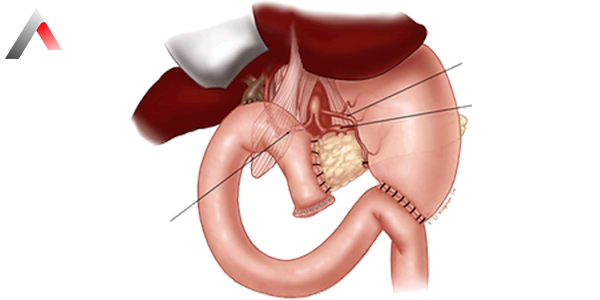
  • Whipple Procedure: Major surgery to remove the head of the pancreas, duodenum, and gallbladder.
  • Distal Pancreatectomy: Surgery to remove the tail of the pancreas.

Pancreatitis Surgery at A Life Health Group

A Life Health Group has experienced surgeons specialized in pancreatitis surgery and state-of-the-art operating rooms. We adopt a multidisciplinary approach to provide our patients with the most appropriate treatment.

Reasons to Choose A Life Health Group:

  • Expert Surgical Team: Our experienced and successful surgeons specialized in pancreatitis surgery effectively treat even the most complex cases.
  • Advanced Technology: Our state-of-the-art operating rooms and laparoscopic surgical equipment provide patients with the safest and least invasive surgical options.
  • Multidisciplinary Approach: We collaborate with gastroenterologists, radiologists, oncologists, and other specialists to create personalized treatment plans for each patient.
  • Patient-Centered Care: We ensure that our patients feel comfortable and secure before, during, and after surgery.
  • Education and Support: We provide detailed information and support to patients and their families about pancreatitis and the surgical process.

Postoperative Recovery Process for Pancreatitis Surgery

The recovery process after pancreatitis surgery varies depending on the type of surgery performed and the patient’s overall health. Hospital stays typically range from a few days to several weeks.

During the postoperative period, it is important to manage pain, prevent infection, and ensure proper nutritional support. Carefully following your doctor’s instructions and attending regular check-ups will help accelerate your recovery.

Frequently Asked Questions About Pancreatitis and Surgery

  1. Is pancreatitis surgery risky? Like any surgical procedure, pancreatitis surgery carries some risks. However, these risks can be minimized with experienced surgeons and advanced technology.
  2. Will I have pain after pancreatitis surgery? Experiencing pain after surgery is normal. Medications will be provided to manage the pain.
  3. When can I return to my normal activities after pancreatitis surgery? Once your recovery is complete, you can resume normal activities according to your doctor’s recommendations.
  4. What should I pay attention to after pancreatitis surgery? You should carefully follow your doctor’s instructions, attend regular check-ups, and maintain a healthy lifestyle.
  5. How should I manage my diet after pancreatitis surgery? Your doctor or a dietitian will provide personalized guidance on your diet following the surgery.

You Are in Safe Hands for Pancreatitis Surgery

Pancreatitis surgery can be a complex process. However, the expert team at A Life Health Group is here to provide you with the best care and help you regain your health. With our advanced technology and patient-centered approach, you are in safe hands for pancreatitis surgery.

Book an Appointment Now and Regain Your Health!

You can trust the expert surgeons at A Life Health Group to address your concerns regarding pancreatitis surgery and provide the most suitable treatment for you. Book an appointment now and enjoy a healthy life!

Remember: This content is for informational purposes only and does not replace medical advice. If you have any health concerns, please consult a doctor.

Prepared by A Life Medical Editorial Board.

Last Updated: 6 Kasım 2025 14:05

Publish Date: 25 Nisan 2024 10:10

Pancreatitis Surgery

Quick Application Form

Please fill in the fields below so that we can reach you

Related Departments
Related Doctors
Similar Contents

Do you need help?

We are here for all your questions and problems 24/7.