

Key points to consider in the management of goiter:
Regular Check-ups
Patients’ health should be monitored through regular doctor visits. This is critical for evaluating the progression of the condition.
Healthy Nutrition
Balanced nutrition is important for maintaining thyroid health. Adequate iodine intake as well as overall dietary habits should be considered.
Stress Management
Stress management techniques positively affect overall health. Practices such as meditation, breathing exercises, and yoga can be helpful.
Tobacco and Alcohol Use
Smoking and excessive alcohol consumption can negatively impact thyroid health. Avoiding these habits is recommended.
Goiter is a common condition associated with the enlargement of the thyroid gland. With correct diagnosis and effective treatment, it can be managed successfully. At A Life Health Group, we provide information on goiter to help you better understand the condition. If you experience symptoms of goiter or want more information about the treatment process, please contact us. Take care of your health and maintain it through regular medical check-ups!
Goiter is a condition characterized by the enlargement of the thyroid gland. When the thyroid gland enlarges, it usually expands irregularly, causing swelling in the neck area. There are two main types of goiter: nodular goiter and diffuse goiter. Nodular goiter is defined by localized growths or nodules in the thyroid gland, while diffuse goiter involves a general enlargement of the entire thyroid gland.
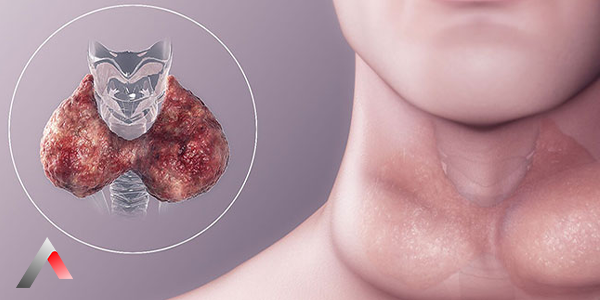
A condition characterized by the enlargement of the entire thyroid gland. It is commonly associated with hypothyroidism or iodine deficiency.
Defined as the growth of one or more nodules in the thyroid gland. It can be either benign (thyroid adenomas) or malignant (thyroid cancer).
A condition characterized by inflammation of the thyroid gland, which can develop due to various causes, including Hashimoto’s thyroiditis. It is more commonly observed during spring and winter months.
The symptoms of goiter can vary depending on the individual and the type of the disease. Common symptoms include:
Goiter can develop due to various factors. The most common causes include:
Iodine Deficiency
Iodine is a critical component for thyroid hormone production. Iodine deficiency is one of the leading causes of goiter, especially in regions where the use of iodized salt is limited.
Hormonal Imbalances
Excessive or insufficient thyroid hormone production can contribute to goiter formation. Autoimmune diseases like Hashimoto’s thyroiditis can cause inflammation and enlargement of the thyroid gland.
Genetic Predisposition
Individuals with a family history of thyroid disorders have a higher risk of developing goiter. Genetic factors can influence thyroid health.
Inflammatory Diseases
Inflammatory conditions such as thyroiditis can lead to thyroid enlargement. Hashimoto’s thyroiditis, an autoimmune disorder, is a key trigger for this process.
Exposure to Toxic Substances
Exposure to certain chemicals or radioactive materials can negatively affect thyroid health and contribute to goiter development.
The diagnosis of goiter is generally made through evaluations performed by a healthcare professional. Methods used during the diagnostic process include:
Physical Examination
The doctor checks for swelling in the neck. Other signs and symptoms are also assessed to gather information about the overall condition of the thyroid gland.
Imaging Tests
Imaging methods such as ultrasound, CT, or MRI are used to examine the internal structure of the thyroid. These tests provide information about the presence and size of nodules.
Blood Tests
Thyroid function is evaluated through tests measuring TSH (thyroid-stimulating hormone) and thyroid hormones (T3, T4). These tests help assess how well the thyroid is working.
Biopsy
In cases of nodular goiter, a biopsy may be performed to determine if a nodule is cancerous. The biopsy is typically guided by ultrasound for accuracy.
Treatment for goiter varies depending on the diagnosis and the specific characteristics of the condition. General treatment options include:
Monitoring
If the goiter is benign and does not cause significant symptoms, careful monitoring may be recommended. Regular follow-up according to the doctor’s advice is essential.
Medication
Iodine Supplementation: Recommended for individuals with iodine deficiency.
Thyroid Hormone Medications: In cases of hypothyroidism, medications containing levothyroxine may be prescribed.
Surgical Intervention
Surgery may be necessary in certain cases, such as:
Enlarging Goiter: If the goiter grows large enough to cause swallowing or breathing difficulties.
Malignant Nodules: Nodules with cancer risk need to be removed.
Radioactive Iodine Therapy
In cases of toxic goiter or hyperthyroidism, radioactive iodine treatment can be applied. This procedure helps reduce excessive hormone production by the thyroid gland.
Last Updated: 6 Kasım 2025 14:05
Publish Date: 25 Nisan 2024 10:19
Please fill in the fields below so that we can reach you
We are here for all your questions and problems 24/7.


 TR Türkçe
 EN English
 0 (850) 888 54 33


 E-Appointment
 E-Appointment
  E-Result




 0 (850) 888 54 33
 WhatsApp
 E-Appointment