

Norovirus is a highly contagious virus that causes inflammation in the stomach and intestines. It typically leads to gastroenteritis, commonly referred to as "stomach flu."
Norovirus infection manifests with symptoms such as nausea, vomiting, diarrhea, and abdominal cramps. This infection can affect people of all ages. It spreads rapidly, especially in enclosed spaces like schools, hospitals, and nursing homes.
In this comprehensive guide prepared by A Life Health Group, we will cover everything you need to know about norovirus.
What is norovirus? How does it spread? What are the symptoms? How is it diagnosed? What are the treatment methods? How can we protect ourselves from norovirus? You can find the answers to these questions here.
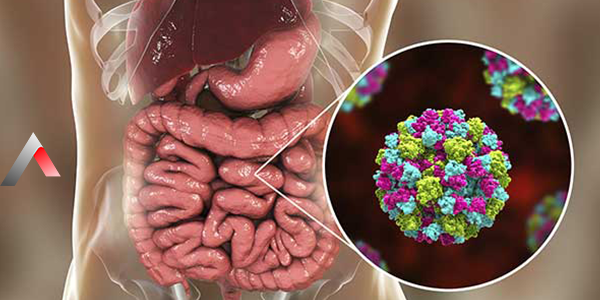
Norovirus disease is a highly contagious RNA virus belonging to the caliciviridae family. It affects the stomach and intestines, causing acute gastroenteritis. It is one of the most common causes of gastroenteritis worldwide and affects millions of people annually.
It is a very resilient virus and resistant to environmental conditions. It can survive for a long time on surfaces, in food, and in water, and can multiply even at low temperatures. Therefore, strict attention to hygiene rules is necessary to prevent norovirus infection.
Where does norovirus spread from? It is a highly contagious virus and can easily spread from one person to another. The ways the infection spreads are as follows:
Symptoms of norovirus infection usually appear 12-48 hours after exposure to the virus. The most common symptoms are:
Norovirus infection typically lasts 1-3 days and most people recover on their own. However, in some age groups, especially infants, elderly, and those with weakened immune systems, the illness can be more severe. This condition can lead to dehydration.
Norovirus diagnosis is generally made based on clinical symptoms and by performing a norovirus test. Your doctor will ask questions about your symptoms and medical history. If necessary, a stool test can be done to confirm the presence of the virus.
There is no specific antiviral treatment for norovirus infection. However, there are some effective methods to relieve symptoms and support the recovery process. Treatment generally focuses on controlling symptoms and supporting the body.
Preventing Fluid Loss
One of the most common problems during norovirus infection is fluid loss due to vomiting and diarrhea. This can lead to serious complications, especially in children, the elderly, and immunocompromised individuals. Therefore:
Drink plenty of water and consume electrolyte-containing fluids (oral rehydration solutions).
Avoid caffeinated and alcoholic beverages.
If oral fluid intake is not possible, intravenous fluid support can be provided in healthcare facilities.
Nutritional Regimen
Loss of appetite is normal during the acute phase of the illness. However, when nausea decreases, easy-to-digest and light foods and drinks can be introduced:
Foods such as salty crackers, boiled potatoes, bananas, rice, and applesauce are recommended.
Avoid fatty, spicy, and dairy-containing foods.
Medication Use
Norovirus infections are viral, so antibiotics are not effective. However, to alleviate symptoms:
Antipyretics (such as paracetamol) can be used to control high fever.
In cases of severe nausea, antiemetic drugs may be recommended under medical supervision.
Anti-diarrheal medications and antibiotics for norovirus are generally not recommended, as they may delay the elimination of the virus via stool. Such drugs should only be used upon a doctor’s recommendation.
Rest and Isolation
People infected with norovirus should:
Support their immune system with adequate sleep and rest,
Avoid crowded places to prevent the spread of infection,
Adhere to hygiene rules for at least 48 hours after symptoms have resolved.
When to Seek Medical Support?
You should definitely seek medical attention if:
You cannot keep fluids down due to persistent vomiting,
Severe fluid loss symptoms such as dry mouth, dizziness, or reduced urination occur,
Diarrhea is bloody or lasts more than 2 days,
Infection develops in immunocompromised individuals.
What is Good for Norovirus? There is no specific treatment for norovirus infection. The goal of treatment is to relieve symptoms and prevent dehydration. Treatment recommendations are as follows:
You can take the following precautions to protect yourself from norovirus infection:
People who have had a norovirus infection can help prevent the spread of the virus by following these recommendations:
Frequently Asked Questions About Norovirus
1. How contagious is norovirus?
Norovirus is highly contagious, and just a few virus particles can cause an infection. Infected individuals can continue to spread the virus for several weeks even after symptoms disappear.
2. How long does norovirus last?
Norovirus infection usually lasts 1–3 days. However, in some individuals, it may last longer.
3. Who should get the norovirus vaccine?
The norovirus vaccine is currently recommended for a limited group of people. This includes travelers, healthcare workers, military personnel, and individuals with weakened immune systems.
4. Can norovirus recur?
Yes, norovirus infection can recur. There are many different strains of norovirus, and immunity to one type does not protect against others.
5. How is norovirus infection diagnosed?
How is norovirus detected? Diagnosis is usually made based on clinical symptoms. If necessary, a stool test can confirm the presence of the virus.
6. Can norovirus be fatal?
Norovirus is generally not fatal, but it can pose a risk if severe fluid loss occurs. Elderly individuals and those with weakened immune systems should be especially cautious.
Remember, norovirus infection can be a serious health concern. If you are experiencing symptoms of norovirus infection, consult a doctor and evaluate appropriate treatment options.
As A Life Health Group, we are committed to providing the best care for norovirus infection and other digestive diseases. For more information or to make an appointment, please contact us.
Last Updated: 6 Kasım 2025 14:05
Publish Date: 24 Nisan 2024 17:36

Please fill in the fields below so that we can reach you
We are here for all your questions and problems 24/7.


 TR Türkçe
 EN English
 0 (850) 888 54 33


 E-Appointment
 E-Appointment
  E-Result






 0 (850) 888 54 33
 WhatsApp
 E-Appointment