Adenoid Surgery

Adenoid Surgery

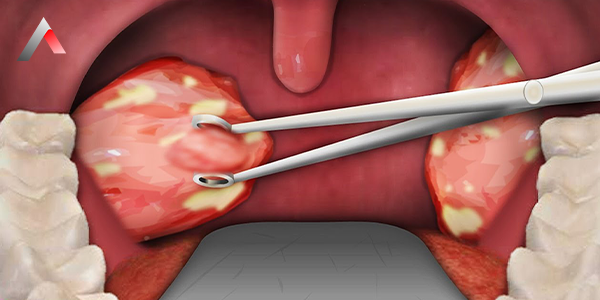
Adenoid surgery is a medical procedure involving the removal of a small, fleshy tissue located behind the nasal cavity, above the soft palate. It plays an important role in the treatment of respiratory problems commonly seen in children and adults. The adenoid is a part of the immune system that helps protect the body from infections. However, when the adenoid becomes excessively enlarged, it can cause problems such as breathing difficulties, snoring, sleep apnea, and fluid buildup in the ears.

At A Life Health Group, we offer the safest and most effective solutions with our team of specialists and state-of-the-art equipment in adenoid surgery. On this page, you can find everything you want to know about adenoid surgery in a detailed and understandable way. By learning about the stages of the process, treatment options, success rates, risks, recovery period, and the advantages offered by A Life Health Group, you can take a step toward a hopeful and healthy life journey.

Adenoid_surgery_1b875b7a.webp

Why Is Adenoid Surgery Performed?

Adenoid surgery is a surgical procedure performed to eliminate problems caused by the excessive growth or frequent infection of the adenoid tissue. The adenoid is a lymphoid tissue located behind the nasal cavity, above the soft palate, and is part of the immune system. More prominent in children, the adenoid gradually shrinks with age and usually disappears during adolescence. However, in some cases, this tissue continues to grow or becomes frequently inflamed.

Adenoid surgery is usually performed in the following situations:

  • Breathing Problems:
    • An enlarged adenoid can cause nasal congestion and mouth breathing.
    • This condition may lead to breathing problems during sleep (sleep apnea).
  • Recurrent Infections:
    • Frequent adenoid infections can cause sinusitis and middle ear infections.
    • Infections that do not improve with antibiotic treatment may require surgery.
  • Middle Ear Problems:
    • Adenoid enlargement can block the Eustachian tube, leading to fluid buildup in the middle ear (otitis media with effusion) and hearing loss.
    • This may result in recurrent ear infections and hearing difficulties.
  • Sinusitis:
    • Enlarged adenoids can obstruct sinus drainage and cause sinusitis.
  • Facial and Jaw Development Issues:
    • Prolonged mouth breathing in children can lead to problems in facial and jaw development.

The aim of adenoid surgery is to eliminate these problems and improve the patient’s quality of life.

Who Is Adenoid Surgery Performed On?

Adenoid surgery is a surgical procedure performed to eliminate problems caused by the excessive growth or frequent infection of the adenoid tissue, which negatively affects the quality of life. It is generally performed in the following situations:

  • Recurrent or Chronic Infections:
    • Frequent adenoid infections that do not respond to antibiotic treatment.
    • Chronic sinusitis or middle ear infections.
  • Breathing Problems:
    • Nasal congestion and mouth breathing problems due to enlarged adenoids.
    • Breathing difficulties during sleep, such as sleep apnea.
  • Middle Ear Problems:
    • Fluid buildup in the middle ear (otitis media with effusion) and hearing loss caused by blockage of the Eustachian tube due to adenoid enlargement.
    • Recurrent ear infections.
  • Facial and Jaw Development Problems:
    • Abnormalities in facial and jaw development caused by prolonged mouth breathing in children.

Especially in Children:

  • Since adenoid enlargement is more common in children, the surgery is usually performed on them.
  • However, adenoid enlargement or infections can also occur in adults, in which case surgery may be necessary.

How Is Adenoid Surgery Performed?

Adenoid surgery is a surgical procedure performed to eliminate problems caused by the excessive growth or frequent infection of the adenoid tissue. The surgery generally involves the following steps:

1. Anesthesia:

  • Adenoid surgery is usually performed under general anesthesia. This ensures that the patient remains asleep during the procedure and feels no pain.

2. Positioning:

  • The patient is laid on the operating table in a supine position, with the head slightly tilted backward.

3. Visualization and Access:

  • The surgeon keeps the mouth open using an instrument called a mouth gag.
  • The adenoid is located behind the soft palate, at the back of the nasal cavity. The surgeon accesses this area through the mouth or, in some cases, through the nose.
  • An endoscope is used to visualize the nasopharyngeal area, allowing the surgeon to clearly see the surgical field.

4. Removal of the Adenoid Tissue:

  • The surgeon removes the adenoid tissue using special surgical instruments (curettes, endoscopic tools).
  • The tissue is either scraped or cut out.
  • An electrocautery device may be used to control bleeding during removal.

5. Inspection and Cleaning:

  • The area is inspected to ensure the adenoid tissue has been completely removed.
  • Bleeding is checked and controlled if necessary.
  • The surgical site is then cleaned.

6. Completion:

  • If required, dissolvable sutures may be used.
  • The surgery is typically short, lasting about 20–30 minutes.
  • The patient is then transferred to the recovery room for observation.

Types of Adenoid Surgery

Adenoid surgery can be performed using different methods. The most commonly used techniques include:

  • Traditional Surgery: The adenoid tissue is cut and removed. This method is more invasive and requires a longer recovery period.
  • Laser Surgery: The adenoid tissue is vaporized using laser light. This technique is less invasive, promotes faster healing, and reduces the risk of bleeding.
  • Plasma Method: The adenoid tissue is removed using plasma energy. This provides a more precise operation with minimal bleeding.
  • Electrocautery Method: The adenoid tissue is removed using a heated metal wire. This method is less invasive and allows quicker recovery.
Adenoid_Surgery_12d2f11f.webp

Adenoid Surgery in Children

Adenoid surgery in children is a surgical procedure performed to eliminate problems caused by the excessive growth or frequent infection of the adenoid tissue, which negatively affects the child’s quality of life.

Postoperative Period After Adenoid Surgery

The recovery process after adenoid surgery is usually quick and uneventful. However, it is important to pay attention to certain points. Here are the key considerations after adenoid surgery:

In the First Hours and Days After Surgery:

  • Awakening and Observation:
    • After surgery, the patient is monitored in the recovery room.
    • They are carefully observed until the effects of anesthesia wear off.
  • Pain Management:
    • Mild pain may occur after surgery. Painkillers prescribed by the doctor should be taken regularly.
  • Nutrition:
    • For the first few hours, a liquid diet is usually recommended.
    • Cold and soft foods (such as soup, purée, yogurt, and ice cream) help soothe the throat.
    • Hot, hard, spicy, or acidic foods should be avoided.
  • Fluid Intake:
    • Drinking plenty of fluids is important for recovery.
  • Rest:
    • Adequate rest should be ensured during the first few days.

During the Recovery Process:

  • Oral Hygiene:
    • Maintaining oral hygiene helps reduce the risk of infection.
    • Mouthwash or oral cleaning methods recommended by the doctor can be used.
  • Activity:
    • Strenuous physical activities should be avoided during the first week.
    • Returning to school or work should be based on the doctor’s advice.
  • Attention to Bleeding:
    • Although rare, postoperative bleeding may occur. In case of any bleeding, a doctor should be consulted immediately.
  • Breathing:
    • After the surgery, nasal obstruction is usually resolved, allowing the patient to breathe comfortably. However, since dry mouth may occur, adequate fluid intake is important.
  • Follow-Up Appointments:
    • Regular attendance at follow-up appointments determined by the doctor is necessary.

General Recovery:

  • The recovery period after adenoid surgery is generally short.
  • Most children can return to their normal activities within a few days.
  • Full recovery may take several weeks.

Important Note: Each patient is different, and the healing process may vary from person to person. Therefore, it is best to follow the specific instructions provided by your doctor.

Risks of Adenoid Surgery

Although adenoid surgery is generally a safe procedure, like all surgical operations, it carries certain risks. These risks are relatively rare, but it is important to discuss them in detail with your doctor before the surgery. Here are the potential risks of adenoid surgery:

  • Bleeding:
    • Bleeding may occur in the surgical area. This is usually mild and stops on its own. In rare cases, additional intervention may be needed to control it.
  • Infection:
    • As with any surgical procedure, there is a risk of infection. Infections can usually be treated with antibiotics.
  • Anesthesia Complications:
    • Since the operation is performed under general anesthesia, allergic reactions or other anesthesia-related complications may occur.
  • Nasal Congestion or Discharge:
    • Temporary nasal congestion or discharge may occur after surgery.
  • Voice Changes:
    • In rare cases, temporary changes in voice tone may be observed after surgery.
  • Soft Palate Problems:
    • Very rarely, problems related to the soft palate may occur.
  • Recurrence:
    • Even if the adenoid tissue is completely removed, there is a small risk that it may grow back.
  • Eustachian Tube Damage:
    • In very rare cases, the Eustachian tube may be damaged, as the procedure is performed near this area.

Frequently Asked Questions After Adenoid Surgery

Adenoid Surgery Prices

The cost of adenoid surgery varies depending on the scope of the operation, the techniques used, and the patient’s specific needs. For detailed information about prices, you can contact A Life Health Group.

Post-Adenoid Surgery Nutrition

Postoperative nutrition is important to support the healing process and prevent possible complications. In general, postoperative nutrition should be as follows:

Immediately After Surgery (First 24 Hours):

  • Liquid Foods:
    • During the first few hours after surgery, nausea may occur; therefore, it is best to start with clear liquids (such as water, apple juice, clear soup).
    • Drinking plenty of fluids is important to prevent dehydration and support healing.
  • Cold and Soft Foods:
    • Cold foods (such as ice cream, yogurt) soothe the throat and help reduce swelling.
    • Soft foods (such as puree, pudding) make swallowing easier and do not irritate the throat.

What to Consider During the First Week:

  • Gradual Transition:
    • After starting with liquid and soft foods, you can gradually transition to more solid foods.
    • Avoid very hot, spicy, acidic, or hard foods, as they can irritate the throat and increase pain.
  • Protein and Vitamins:
    • To speed up the healing process, consume foods rich in protein and vitamins.
    • Soft-cooked chicken, fish, and vegetable purees are good options.
  • Plenty of Fluids:
    • Drinking plenty of fluids is important during the recovery process.
    • In addition to water, fruit juices and herbal teas can be consumed. However, avoid acidic fruit juices.

Foods to Avoid:

  • Hot Foods:
    • Hot foods and drinks can irritate the throat.
  • Spicy and Acidic Foods:
    • Spicy and acidic foods (such as citrus fruits and tomatoes) can cause burning and pain in the throat.
  • Hard and Dry Foods:
    • Hard and dry foods (such as chips and toasted bread) can make swallowing difficult and irritate the throat.
How Long Does Adenoid Surgery Take?

Adenoid surgery is generally a short procedure. On average, the surgery lasts between 20 and 30 minutes.

Tonsil and Adenoid Surgery

Tonsil and adenoid surgeries are two separate procedures, usually performed in children due to recurrent infections or breathing problems. Sometimes, these two surgeries can be performed at the same time.

When Does Snoring Stop After Adenoid Surgery?

The duration of snoring after adenoid surgery may vary from person to person and depends on several factors. However, generally:

Usually Quick Recovery:

  • Adenoid surgery removes the main factor causing snoring—enlarged adenoids—so most patients experience quick relief after surgery.
  • In many cases, snoring symptoms significantly decrease or completely disappear within the first few days after surgery.

Complete Recovery Process:

  • The full recovery process and complete resolution of snoring vary between individuals.
  • In some cases, especially in the first weeks after surgery, temporary snoring may continue due to swelling and edema.
  • Generally, snoring decreases or completely disappears within a few weeks.
Post-Adenoid Surgery Side Effects

Although adenoid surgery is generally a safe procedure, like all surgical operations, it has some side effects and risks. These side effects are usually mild and temporary, but in rare cases, more serious complications can occur.

Common Side Effects:

  • Sore Throat: May last for a few days after surgery. Can be managed with pain relievers.
  • Nasal Congestion or Discharge: May occur temporarily due to swelling in the adenoid area.
  • Mild Bleeding or Discharge: Slight bleeding or discharge may occur from the surgical area for a few days.
  • Bad Breath: Temporary bad breath may occur.
  • Nausea or Vomiting: May occur as a side effect of anesthesia.
  • Ear Pain: Since the adenoids are connected to the middle ear, ear pain may be experienced after surgery.
Hospitals Performing Adenoid Surgery with Plasma Method

A Life Health Group is one of the hospitals that perform adenoid surgery using the plasma method. The health group aims to provide patients with a more comfortable surgical experience using this technique.

Adenoid Surgery Prices in Private Hospitals

The price of adenoid surgery in private hospitals varies depending on the scope of the operation, the techniques used, and the patient’s needs. For detailed pricing information, please contact A Life Health Group.


Prepared by A Life Medical Editorial Board.

Last Updated: 6 Kasım 2025 14:05

Publish Date: 19 Eylül 2024 00:12

Adenoid Surgery

Quick Application Form

Please fill in the fields below so that we can reach you

Related Departments
Related Doctors
Similar Contents

Do you need help?

We are here for all your questions and problems 24/7.