

Myringoplasty

An Effective Solution Against Hearing Loss

At A Life Health Group, we aim to provide the highest quality healthcare services to patients of all ages. Ear health is a critical factor that directly affects quality of life. Hearing loss can negatively impact social communication and academic development in both children and adults. In this context, myringoplasty is a surgical intervention applied when the eardrum is damaged, helping to restore hearing, prevent ear infections, and improve auditory function. This comprehensive guide provides all the details you need to know about myringoplasty.

What is Myringoplasty?

Myringoplasty is a surgical procedure performed to repair or replace the eardrum (tympanic membrane). The eardrum is a thin membrane that separates the middle ear from the external environment and transmits sound waves to the inner ear. Damage to this membrane—such as tearing, perforation, or infection—can cause hearing loss and recurrent ear infections. Myringoplasty aims to repair these damages, restore hearing function, and prevent complications.

Causes of Eardrum Damage:

  • Trauma: Resulting from head or ear injuries.
  • Pressure Changes: Sudden changes in pressure, such as during air travel or diving, can cause eardrum tears.
  • Infection: Chronic middle ear infections can lead to permanent damage to the eardrum.
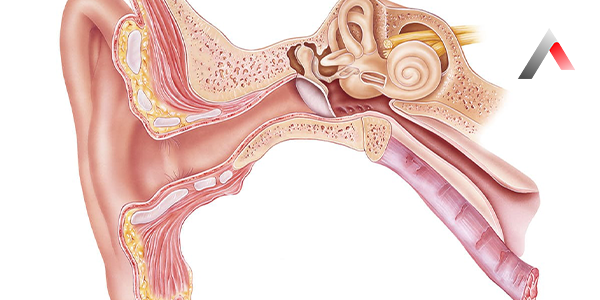
Myringoplasty_0c071407.webp

Who Can Undergo Myringoplasty?

Myringoplasty may be recommended in the following cases:

  • Tympanic Membrane Perforation: A hole or tear in the eardrum, usually caused by trauma, sudden pressure changes, or infections.
  • Chronic Ear Infections: Recurrent or treatment-resistant ear infections that cause permanent damage to the eardrum.
  • Eardrum Rupture: Perforation of the eardrum, which can lead to hearing loss and repeated ear infections.
  • Hearing Loss: Hearing impairment resulting from eardrum damage can be corrected through myringoplasty.
  • Thinning of the Eardrum: The eardrum may thin due to repeated infections or trauma, potentially causing hearing loss.

In children, myringoplasty is crucial for early treatment of hearing loss, as hearing directly affects language development, social communication, and academic performance. In adults, hearing loss may occur due to chronic infections or trauma.

Preoperative Preparation for Myringoplasty

Before undergoing a myringoplasty, certain preparations are essential:

  • Physical Examination and Audiometry Tests: Conducted to assess hearing levels and evaluate the condition of the eardrum.
  • Imaging Techniques: If necessary, computed tomography (CT) or magnetic resonance imaging (MRI) is used to examine the structure of the middle ear.
  • Patient Education: The surgical procedure, potential risks, and recovery process are explained to the patient.
  • Medical Preparation: Blood tests, infection control, and overall health assessment are performed.

These steps are critical to ensure the surgery is performed safely and successfully.

Advantages of Myringoplasty Surgery

  • Restoration of Hearing: Myringoplasty repairs eardrum damage, restoring or improving hearing.
  • Improved Hearing Quality: Patients may experience clearer and louder hearing after surgery.
  • Reduced Risk of Ear Infections: The procedure better protects the eardrum and middle ear, lowering the risk of infections.
  • Enhanced Daily Life Quality: Improved hearing allows for more active participation in daily activities.
  • Minimally Invasive and Safe: Modern surgical techniques minimize the risk of complications.

How Myringoplasty Surgery Is Performed

The surgery is usually performed under general or local anesthesia and is conducted through the ear canal. The surgeon repairs the eardrum or covers it with a graft. The procedure typically takes 30–60 minutes.

Surgical Techniques:

  • Graft Methods: Cartilage or connective tissue is used to repair the eardrum.
  • Microscope Use: A microscope is employed for precise operations, increasing surgical accuracy.
  • Endoscopic Approach: In some centers, minimally invasive techniques are used to promote faster recovery.

After surgery, a cotton packing is placed in the ear canal, and patients usually stay in the hospital for a few days.

Recovery Process After Myringoplasty Surgery

The recovery process varies depending on the type of surgery and the patient’s overall health.

  • First Days: Mild ear pain, dizziness, or ringing in the ear may occur.
  • Medication and Care: Medications prescribed by the doctor should be taken regularly, and proper ear hygiene must be maintained.
  • Daily Activities: Heavy activities should be avoided, and water-related activities such as swimming should be restricted.
  • Follow-Up Examinations: Regular post-operative check-ups are conducted to monitor the healing process.

Postoperative Care After Myringoplasty Surgery

Precautions:

  • Take all medications prescribed by your doctor regularly.
  • Keep your ear canal dry and avoid water exposure.
  • Avoid exposure to loud noises.
  • Attend follow-up appointments as instructed by your doctor.

Common Postoperative Symptoms:

  • Pain: Mild ear pain is normal after surgery and can be managed with prescribed painkillers.
  • Dizziness: You may experience slight dizziness after the procedure.
  • Tinnitus: Ringing in the ear can occur postoperatively.
  • Fluid Accumulation: Some fluid may collect in the ear after surgery.
  • Hearing Loss: Temporary hearing loss may occur after the operation.
Risks of Myringoplasty Surgery

Like any surgical procedure, myringoplasty carries certain risks, including:

  • Infection: There is a risk of infection after the surgery.
  • Bleeding: Postoperative bleeding may occur.
  • Hearing Loss: There is a potential risk of hearing loss following the procedure.
  • Tympanic Membrane Rupture: The eardrum may tear again after surgery.
  • Wound Healing Problems: Issues with proper wound healing can arise postoperatively.
Myringoplasty in Children
  • Early Intervention: Correcting hearing loss early is critical for language and social development.
  • Success Rates: Surgical success rates in children are generally higher compared to adults.
  • Prevention of Recurrent Infections: In cases like chronic otitis media, myringoplasty reduces the risk of repeated infections.
Myringoplasty in Adults
  • History of Chronic Infections: Long-term ear infections can lead to hearing loss.
  • Traumatic Eardrum Ruptures: Surgery is performed to restore hearing function.
  • Effect of Age on Success: Recovery in adults may take longer, but successful outcomes are achievable.
Daily Life and Myringoplasty
  • Return to Work: Light work after 1 week, normal activities after 2–3 weeks.
  • Sports and Activities: Swimming and diving are usually postponed for 4–6 weeks.
  • Water Exposure and Ear Hygiene: Keeping the ear canal dry reduces infection risk.
Alternative Treatment Methods
  • Tympanoplasty: A more comprehensive surgery including repair of middle ear ossicles.
  • Hearing Aids: Supportive solution for patients unsuitable for surgery.
  • Medications: Used to prevent infections and control inflammation.
Myringoplasty at A Life Health Group
  • Experienced Medical Team: A Life Health Group has a team of specialists experienced in ear, nose, and throat (ENT) disorders.
  • State-of-the-Art Technology: Myringoplasty surgeries are performed using the latest medical technology.
  • Safe and Comfortable Environment: Patients receive treatment in a secure and comfortable setting.
  • Personalized Treatment: Each patient receives a customized treatment plan tailored to their needs.
  • Affordable Services: A Life Health Group provides high-quality care at competitive prices.

Contact us to learn more about myringoplasty!

At A Life Health Group, we are here to determine the best treatment option for you and guide you through the myringoplasty process. We look forward to seeing you!

Frequently Asked Questions (FAQ) – Myringoplasty
  • How long does the surgery take?
    Typically 30–60 minutes.

  • Will hearing fully return?
    Most patients experience significant improvement; additional treatment may be needed in some cases.

  • Can I fly after surgery?
    Flying is generally safe about 4–6 weeks post-surgery.

  • What if the eardrum is perforated again?
    The procedure can be repeated if necessary.

  • What is the success rate?
    Around 90% in children and 80–85% in adults.

  • Will there be pain?
    Mild pain is expected and can be managed with pain relievers.

  • Can the graft be rejected?
    Rarely, yes; a repeat surgery may be required.

  • Can a hearing aid be used after surgery?
    Short-term support with a hearing aid is possible if needed.

  • Is the risk of infection high?
    The risk is minimized using sterile surgical techniques.

  • Does it affect language development in children?
    Early intervention helps prevent negative effects on language development.

Prepared by A Life Medical Editorial Board.

Last Updated: 6 Kasım 2025 14:05

Publish Date: 29 Eylül 2024 14:29

Myringoplasty

Quick Application Form

Please fill in the fields below so that we can reach you

Related Departments
Related Doctors
Similar Contents

Do you need help?

We are here for all your questions and problems 24/7.