

Excessive sweating, known as hyperhidrosis, is a condition that can significantly disrupt daily life. It can negatively affect personal and social life, lead to confidence issues, and cause psychological distress.
A Life Health Group is a team using the latest technologies to address excessive sweating. In this article, we will provide detailed information about hyperhidrosis and the Endoscopic Thoracic Sympathectomy (ETS) procedure, explain the services offered by A Life Health Group, and help you overcome this problem.
What is Endoscopic Thoracic Sympathectomy (ETS)?
Endoscopic Thoracic Sympathectomy (ETS) is a minimally invasive surgical procedure commonly used to treat excessive sweating (hyperhidrosis). The method aims to control sweating by cutting or blocking the sympathetic nerves. Hyperhidrosis typically affects the hands, underarms, face, and feet, sometimes leading to social and psychological issues. ETS is used to treat these types of excessive sweating problems.
Purpose and Mechanism of ETS
ETS targets the sympathetic ganglia, part of the sympathetic nervous system, which regulate the body's sweating response. The procedure is designed for individuals experiencing sweating issues, reducing sweat production by cutting or cauterizing the nerves. ETS is typically performed under general anesthesia using small incisions and endoscopic instruments.
How is ETS Performed?
When is ETS Recommended?
ETS is suggested for individuals with the following conditions:
Advantages and Disadvantages of ETS
Advantages:
Disadvantages:
Post-ETS Care and Follow-Up
Conclusion
Endoscopic Thoracic Sympathectomy (ETS) is an effective surgical option for treating excessive sweating. It is especially useful for patients who have not benefited from medications or other non-invasive methods. However, the procedure may not be suitable for everyone, and a detailed evaluation by a specialist is essential beforehand. While ETS generally provides positive outcomes, patients should be informed about potential complications and side effects.
A Life Health Group offers expert care and support throughout the ETS process, ensuring patients receive safe, effective treatment tailored to their needs.
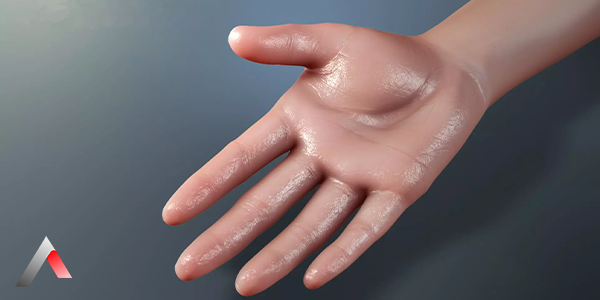
Excessive sweating, known as hyperhidrosis, is a condition in which the body sweats far more than normal. While sweating is a natural process to regulate body temperature, in some individuals it can reach excessive levels, causing social, psychological, and physical discomfort. Hyperhidrosis usually affects specific areas, such as the hands, underarms, feet, or face.
Types of Hyperhidrosis
Hyperhidrosis is generally classified into two main types: primary (idiopathic) and secondary hyperhidrosis. These types develop due to different causes, and treatment approaches vary accordingly.
1. Primary (Idiopathic) Hyperhidrosis
Primary hyperhidrosis is excessive sweating with no known cause. It often occurs due to genetic factors and typically affects specific areas of the body. The term "idiopathic" means there is no identifiable medical condition causing the excessive sweating.
Characteristics:
Treatment Options:
2. Secondary Hyperhidrosis
Secondary hyperhidrosis occurs due to an underlying disease, medication, or other health conditions. This type may affect larger areas of the body and is often a symptom of a systemic condition.
Characteristics:
General Characteristics of Hyperhidrosis Types
| Type | Cause | Affected Areas | Onset Age | Treatment Options |
|---|---|---|---|---|
| Primary (Idiopathic) | Genetic factors, sympathetic nerve activation | Hands, feet, underarms, face | Usually childhood or adolescence | Antiperspirants, Botox, ETS, iontophoresis |
| Secondary | Underlying medical conditions (hormonal, infections, medications, etc.) | Whole body or specific areas | Adulthood, coinciding with health issue onset | Treat underlying condition, adjust medications |
Conclusion
Excessive sweating (hyperhidrosis) occurs in two main forms: primary hyperhidrosis, which is usually genetic and affects specific areas, and secondary hyperhidrosis, which results from other medical conditions and can affect different regions of the body. Treatment options differ for each type, and accurately diagnosing the underlying cause is crucial for effective management. If you experience excessive sweating, consulting a specialist is essential to determine the most appropriate treatment.
A Life Health Group provides expert care and individualized treatment options for managing hyperhidrosis effectively.
Excessive sweating can have many causes. Hyperhidrosis, a condition in which the body sweats far more than normal, can arise from genetic factors, hormonal changes, psychological conditions, or various health problems. Below is a detailed explanation of the most common causes of excessive sweating.
1. Genetic Factors
Excessive sweating is often linked to a genetic predisposition. This type of sweating is called primary (idiopathic) hyperhidrosis, and its exact cause is usually unknown. It can, however, run in families. If someone in your family experiences excessive sweating, you may have a higher chance of developing it as well.
2. Hormonal Changes
Changes in hormone levels can affect the amount of sweating. Hormones stimulate sweat glands to help regulate body temperature. Hormonal fluctuations can trigger excessive sweating.
3. Psychological and Emotional Factors
Excessive sweating can be triggered by stress, anxiety, or excitement. The sympathetic nervous system becomes active during emotional or physical stress, increasing sweat production.
4. Physical Health Conditions
Certain medical conditions can cause excessive sweating, often referred to as secondary hyperhidrosis, where sweating is a symptom of an underlying disease.
5. Medications
Certain medications can directly stimulate sweat glands or disrupt the body’s temperature regulation, causing excessive sweating.
6. Alcohol and Caffeine Consumption
Substances like alcohol and caffeine can stimulate the nervous system and increase sweating.
7. Weather and Physical Activity
Hot weather, high humidity, and intense physical activity can also trigger excessive sweating. This is usually a natural response of the body to cool itself.
Conclusion
Excessive sweating (hyperhidrosis) can result from a wide range of factors, including genetic predisposition, hormonal changes, psychological conditions, medical issues, medications, and lifestyle factors. If excessive sweating negatively impacts daily life, consulting a specialist is important to evaluate suitable treatment options.
A Life Health Group provides expert guidance and personalized treatment plans for individuals experiencing excessive sweating.
ETS is a minimally invasive surgical procedure used to treat excessive sweating. This method involves cutting or destroying the sympathetic nerves located in the chest wall. These nerves control the activity of sweat glands. The ETS method is generally considered one of the most effective treatment options for managing excessive sweating.
The ETS procedure is performed under general anesthesia. The surgeon makes small incisions in the chest wall to insert an endoscope. Using the endoscope, the sympathetic nerves are visualized and destroyed. The procedure typically takes 1–2 hours.
If you are experiencing excessive sweating, considering ETS surgery, or have questions about the procedure, you can visit the A Life Health Group website, contact us by phone, or request an appointment.
At A Life Health Group, we are here to provide you with the best care and help you overcome this issue.

Please fill in the fields below so that we can reach you
We are here for all your questions and problems 24/7.


 0 (850) 888 54 33


 E-Appointment
 E-Appointment
  E-Result



 0 (850) 888 54 33
 WhatsApp
 E-Appointment