

When heart surgery is mentioned, the first image that comes to mind is usually a major operation involving opening the chest. However, thanks to advances in medicine, less invasive methods called minimally invasive heart surgery have become increasingly common. These methods are performed through smaller incisions compared to traditional open-heart surgery and offer numerous advantages to patients.
Minimally invasive heart surgery is a surgical approach used in the treatment of heart diseases that is less traumatic than conventional open-heart surgery. In this method, instead of fully opening the chest, small incisions or natural body openings are used to access the heart. This allows patients to benefit from advantages such as less pain, faster recovery, and reduced risk of complications.

Minimally invasive heart surgery can be used in the treatment of various heart conditions. The most common applications are:
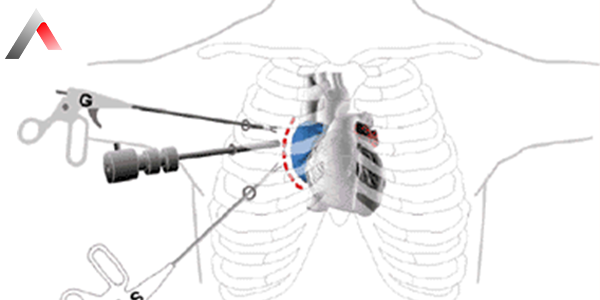
Minimally invasive heart surgery offers several advantages compared to traditional open-heart surgery:
Less pain: Since smaller incisions are used, postoperative pain is reduced, and patients require fewer painkillers.
Faster recovery: Patients recover more quickly and can return to daily activities earlier.
Lower risk of complications: The risks of complications such as infection, bleeding, and wound healing problems are lower.
Less scarring: Smaller incisions result in less noticeable scars and better aesthetic outcomes.
Shorter hospital stay: Patients are generally discharged sooner, reducing hospital costs.
Reduced need for blood transfusions: Minimally invasive techniques reduce blood loss, thereby decreasing the need for transfusions.
Lower mortality risk: Some studies have shown that minimally invasive heart surgery reduces the risk of mortality.
Minimally invasive heart surgery can be performed using different techniques. The most commonly used types are:
Like any surgical intervention, minimally invasive heart surgery carries certain risks. These include bleeding, infection, heart rhythm disorders, stroke, and lung complications. However, thanks to minimally invasive techniques, these risks are lower compared to traditional open-heart surgery.
The recovery process after minimally invasive heart surgery is faster compared to traditional open-heart surgery. Patients can usually stand and walk within a few days after the surgery. The hospital stay generally ranges from 3 to 5 days.
After discharge, it is important for patients to attend regular doctor check-ups and take their medications as prescribed. Additionally, adopting a healthy lifestyle, quitting smoking
A Life Health Group aims for the highest success rates in minimally invasive heart surgery with expert cardiovascular surgeons, state-of-the-art medical devices, and modern operating rooms. We strive to provide the best service to our patients before, during, and after surgery.
The advantages of A Life Health Group in minimally invasive heart surgery include:
For detailed information about minimally invasive heart surgery or other heart health matters, and to schedule an appointment, you can visit our website or contact us via our phone numbers.
Remember, with early diagnosis and treatment, you can protect your heart health and improve your quality of life.
Last Updated: 6 Kasım 2025 14:05
Publish Date: 25 Nisan 2024 10:10
Please fill in the fields below so that we can reach you
We are here for all your questions and problems 24/7.


 TR Türkçe
 EN English
 0 (850) 888 54 33


 E-Appointment
 E-Appointment
  E-Result




 0 (850) 888 54 33
 WhatsApp
 E-Appointment