Radiofrequency Ablation (RFA)

Radiofrequency Ablation

At A Life Health Group, we aim to provide the most up-to-date knowledge and methods in women’s health. Radiofrequency ablation is an effective treatment for women experiencing excessive menstrual bleeding. This comprehensive guide will explain everything you need to know about radiofrequency ablation, provide detailed information about the procedure, and ensure you receive safe and effective treatment at A Life Health Group.

What is Radiofrequency Ablation?

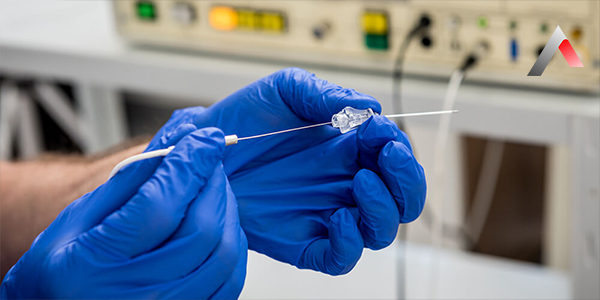
Radiofrequency ablation is a minimally invasive surgical procedure used to destroy the lining of the uterus in women experiencing excessive menstrual bleeding. During the procedure, a device containing a thin camera and an electrode that emits radio waves is inserted through the cervix. The electrode is applied to the endometrium, the tissue lining the inside of the uterus. The radio waves destroy the endometrial tissue, helping to stop excessive bleeding.

Radiofrequency_Ablation_b2b1fcb6.webp

Diseases Treated with Radiofrequency Ablation

Radiofrequency Ablation (RFA) is a minimally invasive method used to treat various medical conditions. In this procedure, radio waves generate heat in the targeted tissue, destroying abnormal cells. RFA is often preferred as an alternative to surgery or in cases where surgical intervention is not feasible.

Main Conditions Treated with Radiofrequency Ablation:

Heart Rhythm Disorders:

  • Atrial Fibrillation: Irregular and rapid beating of the heart's upper chambers.
  • Atrial Flutter: Regular but fast beating of the heart's upper chambers.
  • Supraventricular Tachycardia (SVT): Rapid heart rate typically originating from the upper chambers.
  • Ventricular Tachycardia (VT): Rapid heart rate originating from the lower chambers.
  • Wolff-Parkinson-White (WPW) Syndrome: Presence of an extra electrical pathway in the heart.

Cancer:

  • Liver Cancer: Effective for small and early-stage liver tumors.
  • Kidney Cancer: Can be used for small kidney tumors.
  • Lung Cancer: Applied when surgical intervention is not possible.
  • Bone Tumors: Reduces pain and slows tumor growth.
  • Thyroid Nodules: Can treat benign thyroid nodules.

Pain Management:

  • Herniated Disc (Lower Back): Nerves are heated with radio waves to reduce pain caused by disc herniation.
  • Cervical Disc Herniation: Used for neck-related disc pain.
  • Joint Pain: Treats pain in the knee, shoulder, or hip joints.
  • Nerve Pain: Effective for conditions like trigeminal neuralgia.

Other Conditions:

  • Varicose Veins: Can treat varicose veins in the legs.
  • Prostate Enlargement: Treats benign prostatic hyperplasia (BPH).
  • Endometriosis: Can treat abnormal growth of uterin
  • e tissue outside the uterus.
  • Uterine Fibroids: Treats benign tumors in the uterus.

Advantages of Radiofrequency Ablation:

  • Minimally Invasive: No surgical incision required, resulting in less pain, faster recovery, and lower risk of complications.
  • Local Anesthesia: Can often be performed without general anesthesia.
  • Rapid Recovery: Patients can usually go home the same day and resume normal activities quickly.
  • Repeatable: The procedure can be repeated if necessary.

Radiofrequency Ablation at A Life Health Group:
A Life Health Group has an experienced team specialized in radiofrequency ablation. Using advanced technology and imaging methods, RFA procedures are performed safely and effectively, ensuring high standards of patient care.

Who Can Undergo Radiofrequency Ablation?

Radiofrequency Ablation (RFA) is a minimally invasive procedure that uses radio waves to generate heat. This heat is used to destroy abnormal cells or block nerves from transmitting pain signals. RFA is typically preferred as an alternative to surgery or when surgical intervention is not feasible.

Patients and Conditions Suitable for RFA:

Heart Rhythm Disorders:

  • Patients with atrial fibrillation, atrial flutter, supraventricular tachycardia, ventricular tachycardia, or Wolff-Parkinson-White syndrome.
  • Especially for patients who do not respond to medication or are not suitable candidates for surgery.

Cancer:

  • Patients with small tumors in organs such as the liver, kidney, lung, bone, or thyroid.
  • Particularly when surgery is risky or not possible.
  • Can also be used to slow tumor growth or alleviate symptoms.

Pain Management:

  • Patients with chronic pain conditions such as herniated discs in the lower back or neck, joint pain, or nerve pain.
  • Those who have not benefited from other treatments, such as medications or physical therapy.
  • Patients at high surgical risk or who prefer to avoid surgery.

Other Conditions:

  • RFA can also be applied for varicose veins, benign prostate enlargement, endometriosis, and uterine fibroids.
  • In these cases, RFA is generally chosen as an alternative to surgery or when surgery is not possible.

Contraindications for RFA:

  • Patients with bleeding disorders.
  • Application to an infected area.
  • Pregnancy.
  • Tumors located in areas unreachable by the RFA needle.
  • Situations where surgical intervention is more appropriate.

Advantages of Radiofrequency Ablation

  • Minimally Invasive: No abdominal incisions are required, resulting in a shorter recovery time.
  • Rapid Recovery: Typically involves a short hospital stay and a quick return to normal activities.
  • Less Pain: Carries a lower risk of pain and bleeding compared to open surgeries.
  • Safe: When performed by an experienced surgeon, the procedure is considered safe.
  • Long-Lasting Solution: Provides a durable solution and reduces the risk of recurrence of abnormal bleeding.
  • Alternative to Hysterectomy: Since it does not require complete removal of the uterus, it can serve as an alternative to hysterectomy.


How Radiofrequency Ablation Is Performed

  • Anesthesia: General or spinal anesthesia is administered to ensure you do not feel discomfort during the procedure.
  • Device Placement: A device containing a thin camera and an electrode that emits radio waves is inserted through the cervix.
  • Electrode Application: The electrode is positioned within the uterine cavity to target the endometrium.
  • Radio Wave Application: The electrode delivers energy via radio waves to the endometrium, destroying the tissue.
  • Device Removal: After the procedure is complete, the device is carefully removed from the uterus.

Recovery Process After Radiofrequency Ablation

  • Hospital Stay: Typically, patients stay in the hospital for the same day or, in some cases, overnight.
  • Pain Management: Pain is managed with prescribed painkillers following the procedure.
  • Rest: Rest is important after the procedure, and strenuous activities should be avoided.
  • Recovery Time: Full recovery usually takes 1–2 weeks.
  • Sexual Activity: Sexual intercourse should not be resumed without your doctor’s approval.

Risks After Radiofrequency Ablation

  • Bleeding: Mild bleeding may occur after the procedure.
  • Infection: As with any surgical procedure, there is a risk of infection.
  • Uterine Perforation: Rarely, a uterine tear may occur during the procedure.
  • Repeat Procedure: In some cases, radiofrequency ablation may need to be repeated.

Radiofrequency Ablation at A Life Health Group:

  • Experienced Medical Team: A Life Health Group has a team of experienced physicians specializing in women’s health.
  • State-of-the-Art Technology: A Life Health Group performs radiofrequency ablation using the latest technology.
  • Safe and Comfortable Environment: A Life Health Group ensures that patients receive treatment in a safe and comfortable setting.
  • Personalized Treatment: A Life Health Group prepares individualized treatment plans for each patient.
  • Affordable Prices: A Life Health Group offers services at reasonable prices.

Contact us to learn more about radiofrequency ablation!

At A Life Health Group, we are here to determine the best treatment option for you and guide you through the radiofrequency ablation process. We look forward to seeing you!

Prepared by A Life Medical Editorial Board.

Last Updated: 6 Kasım 2025 14:05

Publish Date: 29 Eylül 2024 12:51

Radiofrequency Ablation (RFA)

Quick Application Form

Please fill in the fields below so that we can reach you

Related Departments
Related Doctors
Similar Contents

Do you need help?

We are here for all your questions and problems 24/7.