

The brachial plexus is a network of nerves extending from the neck region along the spine, providing nerve supply to the shoulder, arm, wrist, and hand. This nerve network is crucial for enabling movement and sensation in the arm. Brachial plexus injuries can occur due to trauma or during birth and may lead to significant loss of muscle function or sensory deficits.
The brachial plexus is a nerve network located in the neck that sends branches to the shoulder and arm. It is formed by five main nerve roots emerging from the spinal cord (C5, C6, C7, C8, and T1). The brachial plexus starts at the side of the neck, passes through the shoulder region, and sends nerve branches to the arm, forearm, and hand.
This nerve network is responsible for:
Brachial Plexus Injuries
The brachial plexus can be injured or damaged due to several reasons:
Symptoms:
Treatment varies according to the severity of the injury and may include physical therapy, pain management, nerve repair, or reconstructive surgery. Early diagnosis and treatment are very important in brachial plexus injuries.
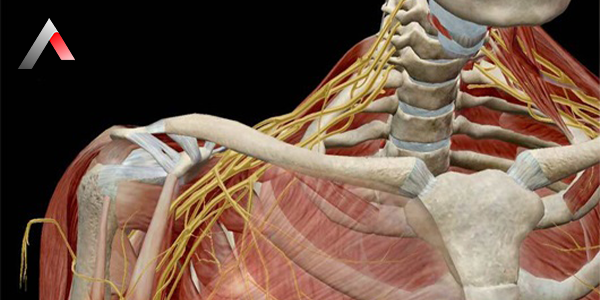
Brachial plexus exploration is a surgical procedure that involves diagnosing and repairing any damage in this nerve network. A Life Health Group provides services to patients with advanced surgical techniques and an expert team for this complex procedure.
Brachial plexus exploration is a surgical intervention performed on the brachial plexus nerve network. This procedure is carried out to assess nerve damage, perform repairs, and undertake necessary interventions. It is generally applied in cases of severe trauma, congenital injuries, or tumor-related nerve compression.
Objectives
Indications
Procedure
Postoperative Recovery and Rehabilitation
Recovery after brachial plexus exploration can take a long time. Nerve reconstruction and functional restoration may take months to years. During rehabilitation:
This surgical procedure should be performed by an experienced nerve surgeon, and the success rate depends on the severity of the injury and the timing of the intervention.
The primary goal of exploration is to thoroughly examine the condition of the brachial plexus nerves and perform the following steps:
1.Visualizing the Nerve Structure:
2.Nerve Repair:
3.Nerve Transfer (Neural Transfer):
4.Relieving Compression (Decompression):
Hematomas (blood accumulation), scar tissue, or masses compressing the nerves are removed.
For the proper treatment of brachial plexus injuries, a comprehensive diagnostic process is required. In our clinic, state-of-the-art diagnostic methods such as magnetic resonance imaging (MRI) and electrical nerve studies are used to precisely identify the damage within the nerve network. These advanced techniques determine which nerves are affected and the extent of the injury, allowing the treatment plan to be optimized for each patient individually.
Expertise and experience are crucial in the treatment of brachial plexus injuries. Our experienced and specialized surgeons meticulously evaluate each case and perform the most appropriate surgical intervention. During the brachial plexus repair process, nerves are reconstructed, severed nerve ends are sutured together, or repairs are made using nerve grafts when necessary. Our goal is to help patients regain arm and hand functions and improve their quality of life. Every intervention is carefully planned and executed, taking into account the patient’s specific condition.
The recovery process after surgery is a crucial phase in brachial plexus injuries. Our physiotherapy team provides patients with personalized rehabilitation programs to accelerate recovery. Through exercises aimed at increasing muscle strength, range of motion, and functional capacity, we help patients regain arm and hand functions. The rehabilitation process is tailored to each individual’s needs, with continuous support provided to ensure the best outcomes. This process enhances the speed and effectiveness of nerve recovery, reinforcing the success of the treatment.
Brachial plexus repair, when performed with advanced surgical techniques and an experienced medical team, increases the likelihood of successful outcomes. Our expert surgeons use microsurgical skills to repair nerves with the highest precision. Specialized techniques such as microscopic nerve suturing and nerve graft placement enhance the effectiveness of the treatment. As a result, patients can regain their previous functions with a high success rate and return to daily activities. Early intervention and the correct surgical approach help minimize nerve damage and functional loss.
Success in brachial plexus injuries is not limited to surgical intervention; it also requires comprehensive care throughout the entire treatment process. Postoperative rehabilitation is of great importance. Our approach focuses on complete recovery and restoring functionality by integrating surgical and rehabilitation processes. Individually tailored rehabilitation programs, physical therapy, exercises, and pain management support the recovery process. This comprehensive care approach aims to improve patients’ quality of life both in the short and long term.
Modern medical technologies play a significant role in the treatment of brachial plexus injuries. MRI (magnetic resonance) imaging, electrical nerve stimulation tests, and nerve conduction studies are used to make accurate diagnoses and optimize treatment plans. Additionally, during surgical procedures, advanced microscopes and endoscopic devices allow for a more detailed examination and repair of nerve structures. These technologies enable surgeons to perform interventions with greater precision, increasing success rates and accelerating the recovery process.
Brachial plexus injuries are commonly seen in infants, especially as a result of birth-related trauma. Congenital brachial plexus injuries, such as Erb-Duchenne palsy, occur when a baby’s shoulders are compressed or excessively pulled during delivery. These injuries often lead to weakness in the shoulder muscles and limited movement of the arms. Early intervention is crucial for nerve recovery. Brachial plexus exploration helps determine the extent of the damage and enables the application of appropriate treatment methods, supporting healthier motor development in infants. Early diagnosis and treatment can prevent permanent functional loss and contribute to the child’s normal growth and development.
Brachial plexus injuries can be quite common due to traffic accidents, sports injuries, falls from heights, or blunt trauma. In such cases, nerves may be torn, stretched, or compressed, leading to significant weakness in the arm, shoulder, or hand. The effects of these traumas may not always be resolved with conservative treatments, making surgical intervention necessary. Brachial plexus exploration assesses the condition of the nerves and performs the required repairs, helping patients regain their previous functions. This treatment not only alleviates pain but also enables patients to resume their daily activities.
Brachial plexus injuries can sometimes lead to chronic pain following trauma. In particular, nerve compression or severance can cause neuropathic pain. When long-term nerve pain does not respond to conventional treatments (medications, physical therapy), more advanced treatment methods may be required. Brachial plexus exploration in such cases helps identify the source of the pain and, if necessary, allows for surgical intervention to repair the nerves. This treatment aims not only to reduce pain but also to restore muscle function and improve patients' quality of life. If conservative treatment approaches are insufficient, surgical intervention can help patients relieve pain and regain functional mobility.
Experienced and Expert Team
Brachial plexus surgery is a complex field that requires significant expertise and directly affects patients' quality of life. At A Life Health Group, we provide services through a multidisciplinary team of experienced and specialist surgeons in this field. Our team members have extensive knowledge in diagnosing and treating brachial plexus injuries and work together to offer the most appropriate treatment options for each patient. From surgery to rehabilitation, we continuously use advanced surgical techniques and modern technology to achieve the best outcomes.
Patient-Centered Approach
At A Life Health Group, we adopt a patient-centered approach at every stage of the treatment process. Each individual’s health condition, lifestyle, and response to treatment are unique. Therefore, we create a personalized treatment plan tailored to each patient. Considering your needs and expectations, we determine the most effective treatment options, keep you informed, and support you throughout the entire process to ensure your comfort. Everything necessary for both physical and psychological support during your treatment is provided.
Comprehensive Solutions
If not treated properly in the early stages, brachial plexus injuries can lead to permanent damage. At A Life Health Group, we offer comprehensive solutions for complex nerve injuries. With advanced medical technology and meticulous surgical approaches, we perform nerve repairs as efficiently as possible. Our goal is to help patients relieve pain and regain arm and hand functions. We provide a holistic approach to treatment through advanced diagnostic methods, surgical intervention, and post-operative rehabilitation processes.
We Are Here for a Healthy Life
A Life Health Group is always by your side for your health. In specialized treatments like brachial plexus exploration, we strive to improve your quality of life with the support of an experienced team and modern technology. You can contact us for more information and to schedule an appointment. We are proud to be with you for a healthy and free life.
Last Updated: 6 Kasım 2025 14:05
Publish Date: 25 Nisan 2024 10:14

Please fill in the fields below so that we can reach you
We are here for all your questions and problems 24/7.


 TR Türkçe
 EN English
 0 (850) 888 54 33


 E-Appointment
 E-Appointment
  E-Result






 0 (850) 888 54 33
 WhatsApp
 E-Appointment