

A Life Health Group provides modern surgical methods in the treatment of slipped disc (spondylolisthesis), delivering high-quality healthcare services to patients. Slipped disc surgery is performed to correct problems caused by the displacement or rupture of discs in the lower back. The primary goal of this procedure is to relieve pain, reduce nerve compression, and improve patients’ mobility. With current surgical techniques, patients can return to their normal lives in a shorter time.
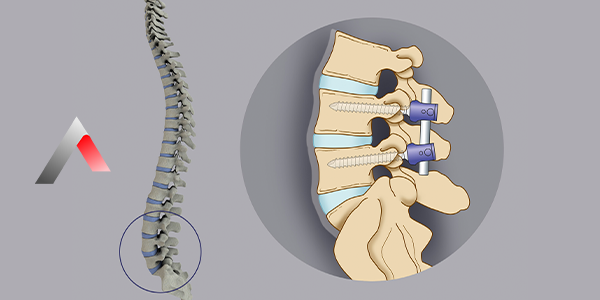
A slipped disc occurs when one vertebra moves forward over the vertebra directly beneath it. Vertebrae form the main support structures of the spine, and the lower back is one of the most critical regions for bearing the body’s weight. Slipped disc disrupts this stable structure, potentially causing various health problems.
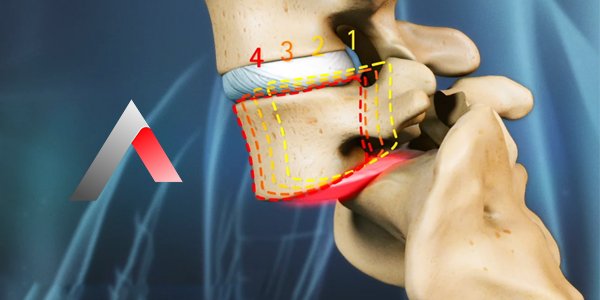
The degree of a slipped disc varies according to the amount of vertebral displacement and is generally classified into four stages: mild, moderate, severe, and very severe. In mild cases, symptoms may be minimal, while severe displacements can cause leg pain, lower back pain, numbness, and difficulty walking. Additionally, if a slipped disc persists untreated for a long time, nerve compression can lead to permanent damage.
Slipped disc typically arises from degenerative processes, congenital structural defects, trauma, or sports injuries. As people age, discs and joint structures may weaken, increasing the risk of displacement. Degenerative spondylolisthesis is particularly common in individuals over 50 years old.
Slipped disc surgery is generally recommended in the following situations:
Surgery is considered when conservative treatments (physical therapy, medication, epidural injections) fail to provide sufficient relief. The goal of the operation is to restore spinal stability, relieve nerve compression, and improve the patient’s quality of life.
At A Life Health Group, patients undergo a detailed evaluation process before slipped disc surgery. Expert orthopedic and neurosurgeons analyze the patient’s medical history, lifestyle, and symptoms. This process is critical for creating a personalized surgical plan.
Modern imaging methods are used to clearly assess slipped discs and related issues. Magnetic resonance imaging (MRI), computed tomography (CT), and X-rays provide detailed visualization of the spinal structure. These tests allow the surgeon to determine the degree of slippage, whether there is nerve compression, and potential complication risks in advance.
Different techniques are applied in slipped disc surgery:
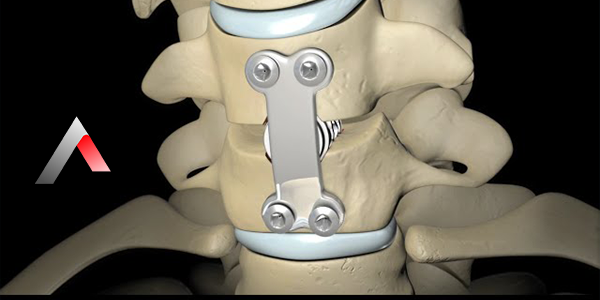
This procedure involves repositioning the slipped vertebra and fusing the vertebrae together. Metal plates and screws are used to ensure spinal stability. This method is highly effective for long-term pain control and maintaining spinal support mechanisms.
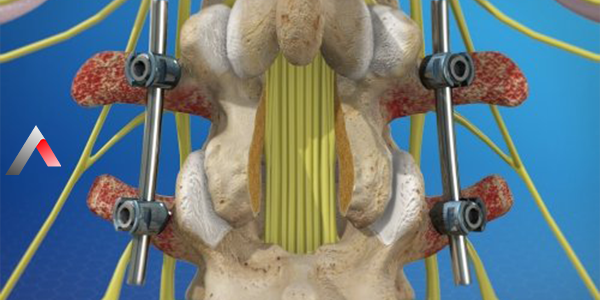
This procedure involves the removal of tissues pressing on the nerve roots. This technique reduces pressure on the nerves and helps alleviate pain, numbness, or weakness in the legs.
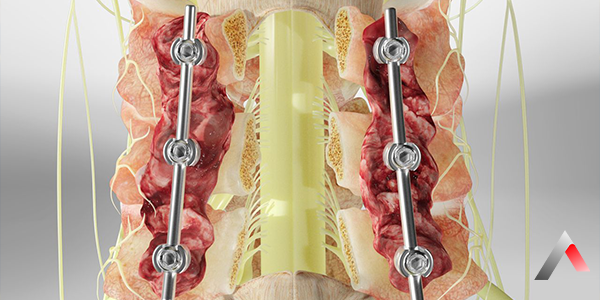
This technique is performed through smaller incisions, correcting the slippage while causing minimal damage to surrounding tissues. Minimally invasive surgery shortens the recovery period and reduces postoperative pain.
Recovery Process
Patients typically stay in the hospital for 1–3 days. Mild pain, swelling, and discomfort after surgery are normal and decrease over time. Regular pain management and proper care help accelerate the recovery process.
Physical Therapy
Early physical therapy is important to increase spinal mobility and support muscle strength. Rehabilitation programs designed by expert physiotherapists ensure patients recover quickly.
Activity Restrictions
During the first weeks, heavy physical activities should be avoided. Patients can improve mobility through walking and light exercises under the guidance of their doctor and physiotherapist.
Spinal slip (spondylolisthesis) surgery carries some potential risks:
However, at A Life Health Group, experienced surgeons and modern sterilization techniques minimize these risks.
Spinal slip surgery provides an effective solution to reduce pain and improve daily life quality. If you are experiencing spinal slip issues or want more information, you can contact A Life Health Group to have your condition evaluated and receive the best personalized treatment plan. Your health is always our priority.
To get information about surgery prices, you can call our call center or fill out the quick form below. Additionally, prices may vary depending on the type of surgery, the techniques used, and the patient’s health condition.
Last Updated: 6 Kasım 2025 14:05
Publish Date: 30 Temmuz 2024 03:20

Please fill in the fields below so that we can reach you
We are here for all your questions and problems 24/7.


 TR Türkçe
 EN English
 0 (850) 888 54 33


 E-Appointment
 E-Appointment
  E-Result






 0 (850) 888 54 33
 WhatsApp
 E-Appointment