
Laser Cervical Hernia Surgery

Regain Your Freedom of Movement

At A Life Health Group, you can get rid of neck pain caused by cervical hernia through laser surgery. Laser technology offers rapid recovery and lasting results with minimally invasive methods. To learn more about the symptoms, causes, and treatment options of cervical hernia, you can visit our website.

Cervical hernia is a health problem that seriously affects quality of life. With early diagnosis and appropriate treatment, patients can quickly return to their daily routines. Thanks to modern laser technology, minimally invasive surgery provides a safe and effective solution.

The goal of cervical hernia treatment is to relieve pressure on the nerve, eliminate pain, and restore muscle function. In this process, laser surgery stands out as one of the most effective methods.

What Is a Cervical Hernia?

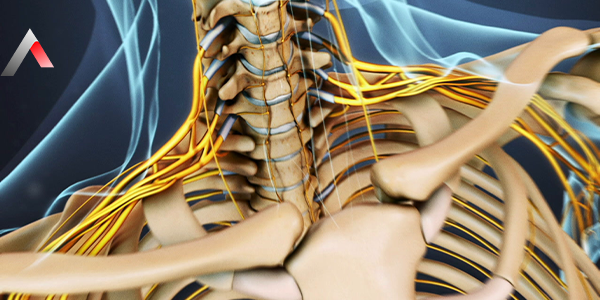
A cervical hernia occurs when the discs located in the spinal canal become damaged and protrude or rupture outward. This protrusion or rupture puts pressure on the nerves in the spinal canal, causing various symptoms.

The cervical spine consists of seven vertebrae, and discs are located between them. These discs act as shock absorbers and allow neck movements to remain flexible. Damage to these discs can put pressure on the nerves, leading to symptoms such as neck pain, arm pain, tingling, and muscle weakness.

Although cervical hernia is most commonly seen between the ages of 30 and 50, modern lifestyles and prolonged computer use have made it more common in younger individuals. People who work at desks or frequently use mobile phones are particularly at risk.

If left untreated, cervical hernia can negatively affect spinal health and significantly reduce quality of life. Therefore, it is essential to consult a specialist as soon as symptoms are noticed.
Laser_Cervical_Hernia_Surgery_aa59cc64.webp

What Are the Symptoms of Cervical Hernia?

The symptoms of a cervical hernia vary depending on the affected nerve and the severity of the herniation. Symptoms can range from mild discomfort to severe pain and may significantly impact daily activities.

  • Neck Pain: A sharp and severe pain may be felt in the neck. This pain often worsens with movements such as coughing, sneezing, or turning the head. In some cases, it may radiate to the shoulders and upper back. Neck pain tends to intensify during prolonged sitting or desk work.
  • Arm Pain: Pain radiating from the neck to the arm may occur depending on the location of the herniation. It can extend from the shoulder to the fingertips. This pain results from nerve compression and can be severe enough to disrupt sleep at night.
  • Numbness and Tingling: A sensation of numbness or tingling may occur in the arm, fingers, or shoulder area. These symptoms arise from nerve compression and can interfere with hand control in daily activities.
  • Muscle Weakness: Weakness in the hands and fingers may develop. This can make tasks such as writing, gripping objects, or lifting weights difficult. Prolonged, untreated hernias can lead to permanent muscle weakness.
  • Headache and Neck Stiffness: Cervical hernia may cause headaches and a feeling of tightness in the neck. Prolonged sitting, poor posture, and stress can worsen these symptoms. Headaches are often more intense in the morning or after extended computer use.
  • Dizziness and Balance Problems: Some patients may experience dizziness or balance issues. This occurs as a result of pressure on the nerves and spinal canal, limiting daily mobility.

If the symptoms of cervical hernia are severe or persistent, it is crucial to consult a specialist early. Early diagnosis and appropriate treatment reduce the risk of complications and improve quality of life.

What Are the Causes of Cervical Hernia?

Several factors play a role in the development of a cervical hernia. Understanding these factors is crucial for both prevention and treatment planning.

  • Aging: As people age, the spinal discs lose water content and elasticity. This makes them more prone to damage and herniation. Structural changes in the spine, such as hardening and thinning of the discs, are common with aging.
  • Repetitive Movements: Prolonged computer use, sitting in the same position for extended periods, or repetitive lifting can strain and damage the discs. Office workers and individuals who spend long hours at a desk are particularly at risk.
  • Trauma: Blows to the neck or accidents can cause disc tears and protrusions. Sudden movements, sports injuries, or car accidents may also trigger herniation.
  • Congenital Abnormalities: Some individuals are born with structural differences in the spine. These abnormalities can make the discs more vulnerable to damage, increasing the risk of herniation.
  • Lifestyle Factors: Poor nutrition, obesity, and a sedentary lifestyle increase the load on cervical discs. Smoking negatively affects disc health by reducing blood flow, thereby heightening the risk of herniation.
  • Stress and Postural Disorders: Stress leads to muscle tension, and when combined with poor posture, it increases pressure on cervical discs. This can accelerate the development of herniation.
  • Lack of Exercise and Physical Inactivity: A lack of regular physical activity weakens the neck muscles and reduces spinal support, thereby increasing the likelihood of a herniated disc.

How Is Cervical Hernia Diagnosed?

The diagnosis of a cervical hernia is based on the patient’s clinical symptoms and various diagnostic tests. An accurate diagnosis is crucial for determining the appropriate treatment approach.

  • Physical Examination: The doctor examines the neck and arms to assess pain, muscle weakness, tingling, and numbness. This examination provides essential information about the location and severity of the herniation.
  • Neurological Evaluation: Neurological tests are performed to assess nerve function and the severity of symptoms. This helps determine the extent of nerve damage.
  • X-Ray: X-rays are used to visualize the general structure of the spine. They can detect bone fractures, arthritis, and other structural abnormalities. X-rays are also useful for evaluating the alignment of the vertebrae.
  • Magnetic Resonance Imaging (MRI): MRI provides detailed images showing disc damage and nerve compression. It is one of the most reliable methods for diagnosing cervical hernia.
  • Electromyography (EMG): EMG evaluates the function of nerves and muscles, helping determine the degree of nerve injury.
  • Nerve Conduction Velocity Test: This test measures how fast electrical signals move through the nerves, showing the presence and severity of nerve damage.

Laser Cervical Hernia Surgery

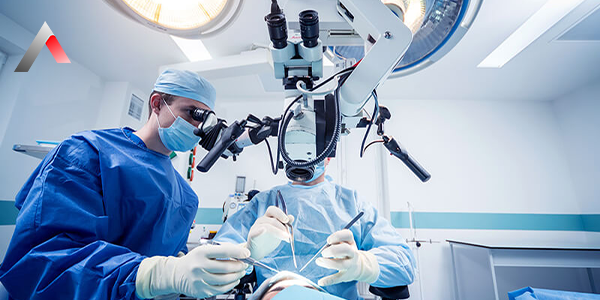
Laser cervical hernia surgery is a minimally invasive procedure that carries less risk compared to open surgery. During the operation, a small incision is made in the spine, and laser technology is used to vaporize a portion of the herniated disc. This reduces the pressure on the nerves and provides rapid pain relief.

Advantages of Laser Cervical Hernia Surgery

  • Minimally Invasive: The procedure is performed through a small incision, resulting in a shorter recovery time.
  • Lower Risk: The likelihood of complications is reduced compared to open surgery.
  • Faster Recovery: Patients can return to their daily activities in a short time.
  • Short Hospital Stay: The postoperative hospital stay is minimal.

At A Life Health Group, laser cervical hernia surgery is performed according to a personalized treatment plan. Our expert physicians closely monitor you before and after the surgery to ensure a safe and effective recovery process.
Laser_Cervical_Hernia_Surgery_25fde5d7.webp

Advantages of Laser Cervical Hernia Surgery:

  • Minimally Invasive: Since the surgery is performed through a small incision, pain and recovery time are significantly reduced.
  • Lower Risk: It carries a lower risk of complications compared to open surgery.
  • Faster Recovery: The patient can return to normal activities more quickly after the procedure.
  • Shorter Hospital Stay: The duration of hospital stay is minimized.

At A Life Health Group, if you are diagnosed with a cervical hernia that requires laser surgery, our expert physicians and experienced healthcare professionals will listen to you carefully and develop a personalized treatment plan to determine the most suitable therapy for you.

Preoperative and Postoperative Process

Before the surgery, the patient is thoroughly evaluated. Blood tests, MRI results, and neurological examinations play a critical role in surgical planning. The patient is informed about what to pay attention to before the operation, including medication use, nutrition, and exercise routines.

After surgery, the patient typically stands up and resumes light activities within a short period. Pain management, physical therapy, and gentle exercises support the recovery process. During this stage, a rehabilitation program helps strengthen the muscles and restore spinal flexibility.

Recommendations

Postoperative rehabilitation is crucial for strengthening neck muscles and maintaining spinal health.

  • Regular light exercises
  • Creating an ergonomic work environment
  • Avoiding prolonged sitting in one position
  • Avoiding heavy lifting and sudden movements
  • Stress management and maintaining proper posture

These precautions help prevent the recurrence of cervical hernia and support overall spinal well-being.

Prevention Methods

To prevent the development of cervical hernia, the following measures can be applied:

  • Regular exercise and stretching
  • Maintaining proper sitting and working posture
  • Weight control and healthy nutrition
  • Effective stress management
  • Avoiding smoking and alcohol consumption
The A Life Health Group Difference in Laser Cervical Hernia Surgery
  • Expert Medical Team: We provide services with a team of physicians experienced and specialized in laser cervical hernia surgery.
  • Personalized Treatment Plans: We design customized treatment plans according to each patient’s specific needs.
  • Safe and Effective Methods: We use the latest technology and evidence-based, safe treatment methods.
  • Patient Satisfaction: Your satisfaction and well-being are our top priorities.
  • Confidentiality: The privacy of your health information is extremely important to us.
Contact Us Now!

If you are experiencing symptoms of cervical hernia or have concerns about this condition, contact A Life Health Group today. Our expert team is here to provide you with the best possible care.

Book an Appointment Quickly:

To learn more about laser cervical hernia surgery and discuss your treatment options, please fill out the quick form on our website.

A Life Health Group is here to care for every aspect of your health.
Prepared by A Life Medical Editorial Board.

Last Updated: 6 Kasım 2025 14:05

Publish Date: 19 Eylül 2024 00:50

Laser Cervical Hernia Surgery

Quick Application Form

Please fill in the fields below so that we can reach you

Related Departments
Related Doctors
İrşadi Demirci
Op. Dr. İrşadi Demirci

Neurosurgery

İskender Samet Daltaban
Op. Dr. İskender Samet Daltaban

Neurosurgery

Similar Contents

Do you need help?

We are here for all your questions and problems 24/7.