

At A Life Health Group, you can get detailed information about cervical hernia and closed cervical hernia surgery methods. If you are wondering, “Which department should I visit for neck pain?”, our team of Neurosurgery specialists can assist you. It is now possible to get rid of complaints such as neck pain, numbness, and weakness. With our advanced technology and expert team, you can safely regain your health.
Cervical hernia is a condition that directly affects quality of life. Factors such as prolonged sitting, incorrect posture (postural disorders), or age-related disc degeneration can cause pressure and pain in the neck area.
The symptoms of a cervical hernia are not limited to pain. It may also cause muscle weakness, numbness, and restricted movement. This condition can limit daily activities. Therefore, early diagnosis and appropriate treatment are of great importance.
Individuals with cervical hernia often have difficulty performing daily tasks, and their social lives are negatively affected. Therefore, fast and effective treatment methods are required to both reduce symptoms and improve quality of life. This includes the entire treatment process.

A cervical hernia occurs when the spinal discs become damaged or ruptured. The protrusion that forms in the disc presses on the spinal cord and nerves, causing pain, numbness, and muscle weakness. You may wonder, “Where does cervical hernia pain radiate?” Over time, it can spread to the shoulder, arm, and even the hands, leading to significant functional loss.
Symptoms vary depending on the severity of the hernia; some patients experience mild pain and discomfort, while others suffer from severe pain. Advanced cervical hernia symptoms can make daily life difficult. Cervical hernia most commonly occurs at the C5–C6 and C6–C7 levels. It compresses the nerve roots, leading to arm pain, numbness, and loss of muscle strength.
Early and proper intervention can prevent nerve damage and help maintain the patient’s quality of life. Therefore, it is important to consult a specialist doctor as soon as cervical hernia symptoms are noticed.
What are the symptoms of cervical hernia? The symptoms of a herniated disc in the neck vary depending on the location and severity of the hernia. The most common symptoms include:
These symptoms not only cause physical discomfort but can also disrupt sleep patterns, reduce work performance, and lead to psychological stress.
The causes of cervical hernia are diverse. The main answers to the question “What causes a cervical hernia?” are as follows:
The combination of these factors significantly increases the risk of herniation. Adopting a proper lifestyle, taking ergonomic precautions, and being aware of movements harmful to cervical discs can help reduce this risk.
How is a cervical hernia detected? The diagnosis begins with a detailed evaluation of the patient’s symptoms. The following tests are performed during the diagnostic process:
These tests clearly reveal both the presence and severity of the herniation, allowing for the development of a personalized cervical hernia treatment plan.
The answer to the frequently asked question, “Can cervical hernia surgery be performed endoscopically?” is yes at A Life Health Group. Endoscopic cervical hernia surgery is a minimally invasive method and carries fewer risks compared to open surgery.
How is cervical hernia surgery performed? In this procedure, a small incision is made on the front part of the patient’s neck. Using special instruments (a microscope or an endoscope), the pressure on the herniated disc or the nerves is relieved.
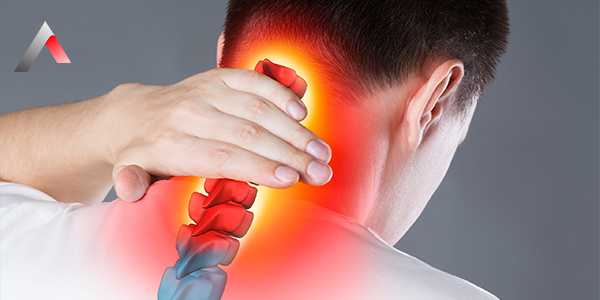
After cervical hernia surgery, patients regain their mobility within a short recovery period and can comfortably say, “I’m free from my neck hernia.”
At A Life Health Group, if you are diagnosed as a candidate for endoscopic cervical hernia surgery, our specialist doctors will take care of you personally. Our experienced healthcare professionals will assist you, listen carefully, and create a personalized treatment plan to determine the most appropriate therapy method for you.
After cervical hernia surgery, the answer to the question “How does a neck hernia heal?” lies in rehabilitation and lifestyle adjustments. The surgery relieves pressure on the nerves, but full recovery depends largely on the patient.
A Life Health Group facilitates the treatment process with a patient-centered approach at every stage and ensures the highest level of patient health protection.
Contact Us Immediately!
What are the symptoms of a neck hernia? If you are experiencing neck hernia symptoms or have concerns about this condition, contact A Life Health Group. Our expert team is here to provide the most suitable treatment plan for you.
Book an Appointment by Filling the Quick Form:
You can reach us for detailed information about minimally invasive cervical hernia surgery and other treatment options. To learn about experiences of patients who have had neck hernia surgery, fill out the quick form on our website. Our specialists will get in touch with you shortly.
A Life Health Group is here to take care of your health in every aspect. We work to help you regain your freedom of movement.
Last Updated: 6 Kasım 2025 14:05
Publish Date: 19 Eylül 2024 00:50
Please fill in the fields below so that we can reach you
We are here for all your questions and problems 24/7.


 TR Türkçe
 EN English
 0 (850) 888 54 33


 E-Appointment
 E-Appointment
  E-Result



 0 (850) 888 54 33
 WhatsApp
 E-Appointment