Microsurgical Cervical Hernia Surgery

Regain Your Freedom of Movement

Regain your health with cervical hernia and microsurgery at A Life Health Group! Microsurgical techniques offer minimally invasive methods, rapid recovery, and permanent solutions. You can visit our website for detailed information about cervical hernia symptoms, causes, and treatment options.

Cervical hernia can significantly affect quality of life. It can limit daily activities, disrupt sleep patterns, and be psychologically draining. Early diagnosis and proper treatment can largely prevent these problems.

What is a Cervical Hernia?

A cervical hernia occurs when the discs in the spinal canal are damaged, bulge, or rupture. Spinal discs act as cushions between the vertebrae and provide flexibility. When a disc is damaged or herniated, the protrusion can press on nerves, causing severe pain.

Hernias are most commonly seen in the lower segments of the cervical spine (C5-C7). This is because this region has high mobility and the spine's natural curves create pressure. Cervical hernia causes not only physical symptoms but also psychological and social effects that negatively impact quality of life.

What Are the Symptoms of Cervical Hernia?

The symptoms of a cervical hernia vary depending on the affected nerve and the severity of the hernia. In the early stages, it may start with mild discomfort and pain; in advanced stages, it can significantly restrict daily life.

Common Symptoms

  • Neck Pain: Sharp or continuous pain in the area of the hernia. Pain may increase with coughing, sneezing, or turning the head.
  • Arm Pain: Pain radiating from the shoulder to the fingertips. Arm pain is usually one-sided.
  • Numbness and Tingling: Felt in the arm, fingers, or shoulder. This indicates pressure on the nerve.
  • Muscle Weakness: Loss of strength in the hands and fingers, which can make daily activities difficult.
  • Headache and Dizziness: Feeling of tightness in the neck and dizziness.

Less Common Symptoms

  • Stiffness and limited range of motion in the neck
  • Fatigue and weakness
  • Reduced hand skills or difficulty holding objects

What Are the Causes of Cervical Hernia?

The main causes of cervical hernia are:

  • Aging and Disc Degeneration: With age, the intervertebral discs lose water and flexibility. This increases the risk of disc tearing or herniation.
  • Repetitive Movements and Poor Posture: Activities such as prolonged computer use, phone or tablet usage, and heavy lifting can strain the discs. Staying in a forward-leaning neck position for extended periods especially increases the risk of hernia.
  • Trauma and Accidents: Impacts to the neck, traffic accidents, or falls can create sudden pressure on the spine. This can damage the disc structure.
  • Congenital or Structural Abnormalities: Some individuals may have spinal curvatures or weak disc structures from birth. These structural differences increase the risk of cervical hernia.

How Is Cervical Hernia Diagnosed?

Cervical hernia is diagnosed through a detailed evaluation of the patient's complaints and advanced tests.

  • Physical Examination
    • Your doctor examines your neck and arms to assess pain, movement restriction, numbness, and muscle strength.
  • Neurological Evaluation
    • The effect of the hernia on nerves is determined by checking nerve functions and reflexes.
  • Imaging Methods
    • X-ray: Shows the bone structure of the spine and possible fractures.
    • Magnetic Resonance Imaging (MRI): Provides detailed images of disc damage and nerve compression.
    • Computed Tomography (CT): Helps examine bone details and spinal canal structure.
  • Electrophysiological Tests
    • Electromyography (EMG): Measures nerve and muscle activity.
    • Nerve Conduction Velocity Test: Evaluates the electrical transmission speed of nerves.

Preoperative Preparation

  • Consultation
    • The patient's medical history is evaluated by the specialist doctor and team, and the risks and benefits of the surgery are explained.
  • Imaging and Tests
    • The condition of the disc and nerves is examined in detail with MRI and other tests.
  • General Health Check
    • Blood tests, heart, and lung functions are evaluated.

Microsurgical Cervical Hernia Surgery

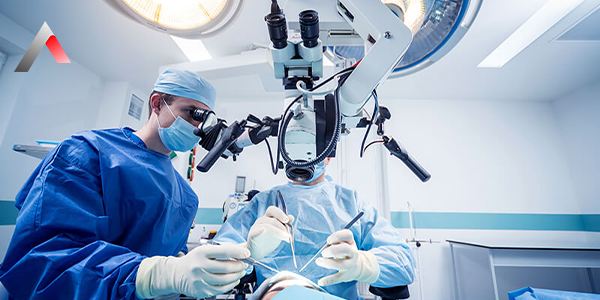
Microsurgical cervical hernia surgery is a minimally invasive method and carries less risk compared to open surgery.

Purpose of the Surgery

  • Remove a portion of the herniated disc
  • Relieve pressure on the nerve caused by the disc tissue
  • Reduce pain and numbness
  • Prevent muscle weakness

Surgical Procedure

  • A small incision is made in the neck.
  • Special instruments are used under a microscope.
  • Pressure on the nerve is relieved.

This method allows the patient to recover faster and return to daily life in a short time.

Microsurgical_Cervical_Hernia_Surgery_0f9ddaec.webp

Postoperative Period

  • First Days
    • Mild pain and discomfort may occur
    • Short-term bed rest is recommended
  • Rehabilitation and Physical Therapy
    • Exercises to strengthen neck muscles
    • Posture and ergonomics training
  • Nutrition and Lifestyle
    • Healthy and balanced diet
    • Avoidance of smoking and alcohol
  • Regular Follow-up
    • Control appointments
    • Monitoring nerve functions with MRI or EMG

Possible Risks

  • Infection
  • Bleeding
  • Nerve damage (rare)
  • Recurrent hernia
Advantages of Microdiscectomy Cervical Hernia Surgery:
  • Minimal Invasive: Since the surgery is performed through a small incision, pain and recovery time are shorter.
  • Lower Risk: Carries fewer complications compared to open surgery.
  • Rapid Recovery: The patient can return to normal activities more quickly after surgery.
  • Short Hospital Stay: The duration of hospitalization is shorter.
  • Smaller Scar: Leaves a smaller and less visible scar compared to open surgery.

At A LifeHealth Group, if you are diagnosed for microdiscectomy cervical hernia surgery, our expert doctors and experienced healthcare staff will carefully listen to you and create a personalized treatment plan to determine the most suitable treatment for you.

Preventive Methods and Daily Life Precautions
  • Correct Posture: Especially proper sitting while using a computer
  • Avoiding Heavy Loads: Avoid unilateral loading
  • Regular Exercise: Exercises that strengthen neck and shoulder muscles
  • Ergonomic Adjustments: Ergonomic arrangements at work and home
The Difference of A Life Health Group in Micro-Surgical Cervical Hernia Surgery
  • Expert Medical Team: We provide services through an experienced and specialized medical team in micro-surgical cervical hernia operations.
  • Individualized Treatment Plans: We create personalized treatment plans according to the needs of each patient.
  • Safe and Effective Treatment Methods: We use the latest technology and safe treatment methods.
  • Patient Satisfaction: The satisfaction of our patients is our priority.
  • Confidentiality: The confidentiality of your health information is extremely important to us.
Contact Us Immediately!

If you are experiencing cervical hernia symptoms or have concerns about this condition, contact A Life Health Group immediately. Our expert team is here to assist you in the best possible way.

Book an Appointment by Filling Out the Quick Form:
To learn more about micro-surgical cervical hernia surgery and discuss treatment options, please fill out the quick form on our website.

A Life Health Group is here to take care of every aspect of your health.

Frequently Asked Questions (FAQ)

1. How long does the surgery take?
Micro-surgical cervical hernia surgery generally takes 1–2 hours. The duration may vary depending on the size of the hernia, the degree of nerve compression, and whether any additional procedures are required. The microscopic instruments used during the operation allow the surgeon to work without damaging nerve structures, ensuring a safe and efficient procedure.

2. How long is the hospital stay?
The hospital stay after surgery is usually 1–2 days. This period may vary depending on the patient’s overall health and the speed of postoperative recovery.

3. When can I return to normal life?
Patients can typically resume light activities within 1–2 weeks after surgery. However, heavy lifting, sudden movements, and strenuous exercises should be avoided during this time. Normal daily activities can usually be resumed safely within 4–6 weeks.

4. Will there be pain after surgery?
Mild discomfort and pain after surgery are normal. Thanks to micro-surgical techniques, this pain is significantly less compared to open surgery. Your doctor will recommend appropriate medications and methods for pain management. Pain usually decreases within a few days.

5. What should I pay attention to after surgery?
Key points to consider after surgery include:

  • Neck position: Use pillow support while sleeping and avoid straining movements.
  • Avoid heavy lifting: Refrain from lifting heavy objects for 4–6 weeks.
  • Regular follow-up: Attend control appointments on time to monitor nerve function.
  • Physical therapy: Perform prescribed exercises consistently to strengthen muscles.
  • Healthy lifestyle: Avoid smoking and alcohol, and maintain a balanced diet.

6. Is there a risk of recurrence?
The risk of hernia recurrence after micro-surgery is low, but not zero. Ergonomically incorrect movements or heavy lifting during the postoperative period can trigger recurrence. Regular exercise, correct posture, and lifestyle adjustments can minimize this risk.


Prepared by A Life Medical Editorial Board.

Last Updated: 6 Kasım 2025 14:05

Publish Date: 19 Eylül 2024 00:50

Microsurgical Cervical Hernia Surgery

Quick Application Form

Please fill in the fields below so that we can reach you

Related Departments
Related Doctors
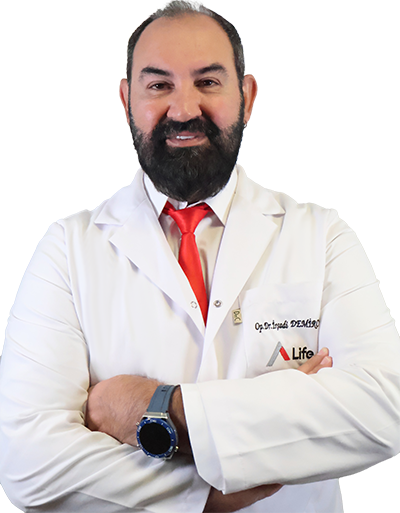
İrşadi Demirci
Op. Dr. İrşadi Demirci

Neurosurgery

İskender Samet Daltaban
Op. Dr. İskender Samet Daltaban

Neurosurgery

Similar Contents

Do you need help?

We are here for all your questions and problems 24/7.