Amputation

Your Journey Back to Life

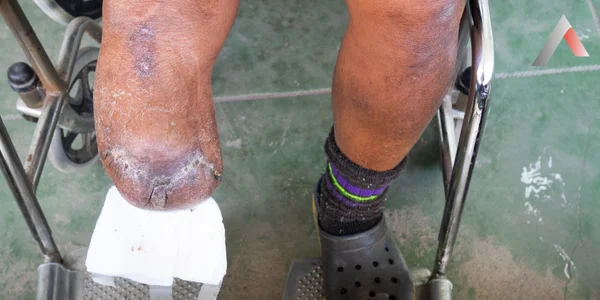
Amputation is the surgical removal of a limb or body part. It may be performed due to trauma, infection, cancer, or circulatory problems. Although amputation can be a challenging experience for many, advances in modern medical technology and rehabilitation programs make it possible to return to daily life and maintain an active lifestyle.

At A Life Health Group, we are dedicated to helping our patients adapt to life after amputation and continue living to the fullest. On this page, you can find comprehensive information about amputation to help you make informed decisions and confidently prepare for a fresh start.

Amputation_6de067e5.webp

What Is Amputation?

Amputation is the surgical removal of a limb or body part. This procedure may be performed for various reasons, including trauma, infection, cancer, or circulatory disorders.

What_Is_Amputation_1a65c91b.webp

Causes of Amputation

The main causes of amputation include:

  • Trauma: Traumatic injuries such as accidents, falls, car crashes, or gunshot wounds.
  • Infection: Infections in the limbs caused by diabetes or other medical conditions.
  • Cancer: Tumors that develop in the limbs and require surgical removal.
  • Circulatory Problems: Reduced blood flow to the limbs due to diabetes, arterial blockage, or other vascular diseases.
  • Congenital Abnormalities: Some individuals are born with partial or complete absence of limbs.

Types of Amputation

Amputations are classified according to the type and location of the removed limb or body part. The most common types include:

  • Finger Amputation: Removal of one or more fingers.
  • Hand Amputation: Partial or complete removal of the hand.
  • Arm Amputation: Removal of the arm from the shoulder or elbow.
  • Foot Amputation: Removal of the toes, part of the foot, or the heel.
  • Leg Amputation: Removal of the leg from the knee or hip.

Preoperative Preparations for Amputation

Before an amputation, your doctor will perform a thorough evaluation and make the necessary preparations for surgery. These include:

  • Review of Medical History: Your doctor will examine your medical background and current medications.
  • Physical Examination: A detailed assessment of your limbs and overall health will be conducted.
  • Blood Tests: Routine blood tests will be performed prior to surgery.
  • Imaging Tests: X-ray, CT, or MRI scans may be ordered to evaluate the affected area.
  • Prosthetic Planning: Your doctor may refer you to a prosthetic specialist to plan for post-surgery prosthetic adaptation.

Amputation Surgery

Amputation surgery is performed under general anesthesia. The duration of the procedure varies depending on the type and location of the limb or body part being removed. During the operation, bones are cut, and the muscles, tendons, and nerves are carefully sutured to ensure proper healing and preparation for potential prosthetic use.

Post-Amputation Recovery Process

The recovery process after amputation varies depending on the type of limb or body part removed, the patient’s overall health, and other factors. A short hospital stay may be required following the surgery.

The recovery process includes:

  • Pain Management: Medications will be provided to control postoperative pain.
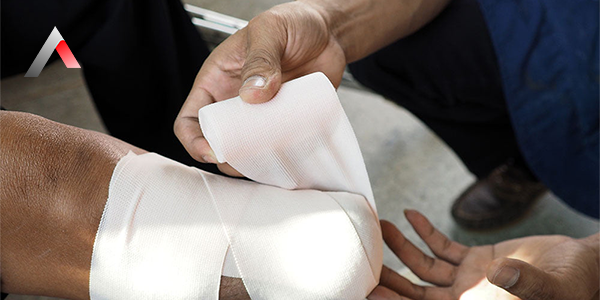
  • Wound Care: The surgical site will be regularly cleaned and monitored to prevent infection.Physical Therapy: Physical therapy is essential to improve mobility, strengthen muscles, and maintain balance.
  • Prosthetic Fitting: At a certain stage of recovery, the patient will meet with a prosthetic specialist for proper fitting and training.
  • Psychosocial Support: Emotional and psychological support will be provided to help the patient adapt to life after amputation.

Prosthetic Limbs and Rehabilitation

The use of prosthetic limbs after amputation is crucial for improving mobility, performing daily activities, and enhancing overall quality of life.

Types of Prosthetics:

  • Cosmetic Prosthetics: Designed primarily for aesthetic appearance.
  • Functional Prosthetics: Provide movement and functional capability.
  • Myoelectric Prosthetics: Controlled by muscle signals for more natural motion.

Rehabilitation Program

The post-amputation rehabilitation program helps patients learn to use prosthetics, regain daily living skills, and restore independence. The program may include:

  • Physical Therapy: To improve mobility, strengthen muscles, and enhance balance.
  • Occupational Therapy: To develop skills needed for performing daily activities.
  • Psychological Support: To address the emotional and psychological challenges following amputation.
  • Prosthetic Training: To learn how to use and adapt to the prosthetic limb in daily life.
Life Adjustments

After an amputation, certain adjustments in daily life may be necessary. These adjustments may include:

  • Home Adaptation: Removing obstacles at home and making the environment suitable for prosthetic use.
  • Transportation: Access to driving, public transportation, or other mobility options.
  • Work and Education: Ensuring access to job opportunities and educational activities.
  • Social Activities: Building friendships and participating in social events.
A Life Health Group Amputation Services

At A Life Health Group, we aim to provide the best treatment and support for patients who have undergone amputation.

Our services include:

  • Expert Orthopedics and Rehabilitation Team: We provide the highest level of care with a team of experienced orthopedics and rehabilitation specialists.
  • State-of-the-Art Prosthetics: We offer the latest technology prosthetics tailored to the needs of our patients.
  • Personalized Rehabilitation Plans: We create individualized rehabilitation plans considering each patient’s needs and goals.
  • Psychosocial Support: We provide psychosocial support to address the emotional and psychological challenges caused by amputation.
  • Patient-Centered Care: The comfort and satisfaction of our patients is our top priority.
Frequently Asked Questions

How long does the amputation procedure take?
The duration of the amputation procedure depends on the type and location of the limb or body part being removed. It usually lasts between 1–3 hours.

How long is the hospital stay after amputation?
The length of hospital stay after amputation varies depending on the type of limb or body part removed, the patient’s overall health, and other factors. Generally, patients stay in the hospital for 3–7 days.

When is a prosthesis fitted after amputation?
Prosthesis fitting typically occurs a few weeks after amputation, allowing sufficient time for the wound and tissues to heal.

How long does it take to learn to use a prosthesis?
Learning to use a prosthesis after amputation varies depending on individual abilities and effort. Most patients can learn to use a prosthesis within a few weeks to months.

What kind of lifestyle can be expected after amputation?
With prosthesis use, physical therapy, and rehabilitation, an active lifestyle is possible after amputation. Individuals can participate in sports, travel, work, and social activities.


Request an Appointment via Quick Form

To learn more about amputation or to schedule an appointment with A Life Health Group, please fill out the form below. Our expert orthopedics and rehabilitation specialists will contact you as soon as possible to provide detailed information about your amputation situation and create a personalized treatment plan.

A Life Health Group is committed to providing the best treatment and support to its patients. Do not hesitate to contact us to learn more about amputation or to book an appointment.

Prepared by A Life Medical Editorial Board.

Last Updated: 6 Kasım 2025 14:05

Publish Date: 4 Eylül 2024 01:16

Amputation

Quick Application Form

Please fill in the fields below so that we can reach you

Related Departments
Related Doctors
Similar Contents

Do you need help?

We are here for all your questions and problems 24/7.