

Knee replacement surgery is a surgical procedure performed to relieve pain and restore mobility caused by severe damage in the knee joint (usually advanced osteoarthritis). This surgery involves removing the damaged cartilage and bone tissue and replacing them with an artificial joint (prosthesis). Knee replacement aims to help patients return to a pain-free and more mobile life. The surgery is generally performed on patients who have not benefited from conservative treatments (medication, physical therapy, etc.) and whose quality of life is significantly impaired.
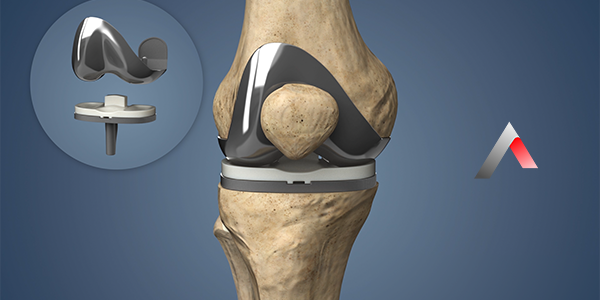
Knee replacement surgeries can vary depending on the extent and location of the damage. Here are the most common types of knee replacement surgery:
Total Knee Replacement (Total Knee Arthroplasty)
Partial (Unicondylar) Knee Replacement
Patellofemoral Knee Replacement
Knee prosthesis revision surgery is the procedure of replacing a previously implanted knee prosthesis for various reasons. This surgery can be more complex and take longer than the initial knee replacement surgery.
Knee replacement surgery is performed to replace damaged cartilage and bone tissue in the knee joint with an artificial joint (prosthesis).
It is generally performed in the following situations:
Severe Knee Osteoarthritis
Rheumatoid Arthritis
Post-Traumatic Arthritis
Other Reasons
Knee replacement surgery is a surgical procedure in which the damaged knee joint is replaced with an artificial joint (prosthesis).
The surgery is generally performed in the following steps:
Anesthesia:
Surgical Incision:
Removal of Damaged Tissue:
Prosthesis Placement:
Joint Testing and Closure:
Surgery Duration:
Knee replacement surgery usually lasts 1–2 hours, but in some cases, it may take longer.
Types of Prostheses:
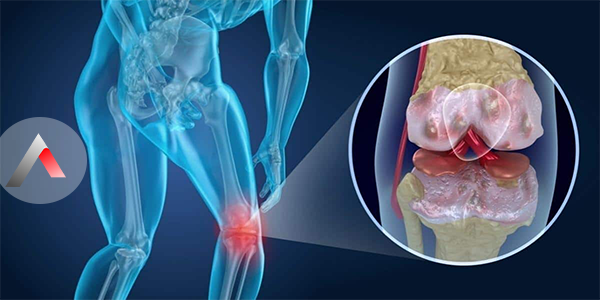
The post-operative period following knee replacement surgery is an important part of the recovery process and includes several points that patients should pay attention to. The goal during this period is to prevent complications, reduce pain, and help the patient return to normal life as soon as possible.
First Days After Surgery:
Points to Consider During Recovery:
Possible Complications and Precautions:
Nutrition after knee replacement surgery is important to support the recovery process and maintain overall health. Consuming the nutrients your body needs after surgery plays a critical role in tissue repair, muscle strength, and bone health.
Important Points in Nutrition After Knee Replacement Surgery:
Protein Intake
Importance of Vitamins and Minerals
Pay Attention to Fluid Intake
Consume Fiber-Rich Foods
Some complaints may occur after knee replacement surgery. These complaints can appear in the early postoperative period or may develop in the long term.
Common complaints after knee replacement surgery:
Early Period Complaints:
Late Period Complaints:
As with any surgical procedure, knee replacement surgery carries certain risks. These risks may vary depending on the type of surgery, the patient’s overall health, and the surgeon’s experience. Here are the possible risks of knee replacement surgery:
General Surgical Risks:
Risks Specific to Knee Replacement Surgery:
The benefits of knee replacement surgery are especially significant for individuals with limited joint mobility and severe pain due to various problems. This surgical method can substantially improve a person’s quality of life.
The main benefits of knee replacement surgery are as follows:
It is important to remember that knee replacement surgery may not always be an option, and the decision for surgery should be made after a detailed evaluation between the doctor and the patient.
1.Knee Prosthesis Surgery
Knee prosthesis surgery is a surgical procedure in which a damaged knee joint is replaced with an artificial joint (prosthesis). This surgery is generally applied to patients experiencing pain and limited mobility due to severe osteoarthritis, rheumatoid arthritis, or joint damage caused by trauma.
2.Knee Replacement Surgery Costs
The cost of knee replacement surgery can vary depending on several factors:
For the most up-to-date and detailed information, please contact A Life Health Group. We are happy to provide detailed information about personalized pricing and treatment options.
3.Robotic Knee Replacement Surgery Costs
For detailed and up-to-date information on robotic knee replacement surgery costs, please contact A Life Health Group. We will provide detailed information about personalized pricing and treatment options.
4.How Long Does Knee Replacement Surgery Take?
The duration of knee replacement surgery can vary depending on several factors. Generally, the surgery lasts between 1 to 2 hours, but in some cases, it may be shorter or longer.
5.Postoperative Knee Stiffness
Muscle stiffness after knee replacement surgery is a common condition during the recovery process. These stiffnesses occur as the tissues in the knee heal and the muscles try to readjust after surgery.
6.Severe Pain After Knee Replacement Surgery
Severe pain after knee replacement surgery is an important issue during the recovery period. While some pain is normal, intense pain can negatively affect healing and significantly reduce patient comfort.
7.Climbing Stairs After Knee Replacement Surgery
Climbing stairs is an important part of the recovery process after knee replacement surgery. However, it is essential to return to this activity gradually and carefully.
Guidelines for Climbing Stairs Post-Surgery:
Initial Days and Weeks:
8.Toilet Use After Knee Replacement Surgery
After knee replacement surgery, toilet use requires attention to ensure the knee is kept in the correct position and not overly strained. Some modifications in habits may be needed during the recovery period.
9.Postoperative Care After Knee Replacement Surgery
Initial Days in Hospital:
Home Recovery and Healing Process:

Please fill in the fields below so that we can reach you
We are here for all your questions and problems 24/7.
How can we help you?
Choose the contact channel that suits you best for appointments and information about our health services.


 0 (850) 888 54 33


 E-Appointment
 E-Appointment
  E-Result





 0 (850) 888 54 33
 WhatsApp
 E-Appointment