

Fetal DNA Test

What is Fetal DNA Test (NIPT)?

Fetal DNA test, or Non-Invasive Prenatal Test (NIPT), is a screening test that analyzes fetal DNA fragments present in the mother's blood to assess the risk of certain genetic abnormalities in the baby. This test is used to determine the risk of chromosomal abnormalities such as Down syndrome (trisomy 21), Edwards syndrome (trisomy 18), and Patau syndrome (trisomy 13). It can also provide information about sex chromosome abnormalities (such as Turner syndrome and Klinefelter syndrome) and some other genetic syndromes.
Fetal DNA testing is a safe and sensitive screening method that can be performed in the early stages of pregnancy. Since it is conducted using the mother's blood, it poses no risk to the baby. Therefore, it is referred to as "non-invasive."
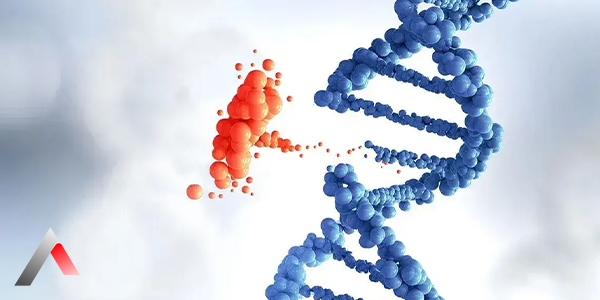
Fetal_DNA_Test_f29e0de1.webp

Why is Fetal DNA Test Performed?

Fetal DNA testing can be performed in the following situations:

  • Assessment of the risk of chromosomal abnormalities in the baby: This test is used to determine the risk of the most common chromosomal abnormalities, such as Down syndrome, trisomy 18, and trisomy 13.
  • Screening for sex chromosome abnormalities: It can be done to assess the risk of sex chromosome abnormalities, such as Turner syndrome and Klinefelter syndrome.
  • Screening for certain genetic syndromes: It can also be used to evaluate the risk of some rare genetic syndromes.
  • Determination of the baby's sex: Fetal DNA testing can determine the baby’s sex with a high accuracy rate.

Down Syndrome (Trisomy 21):
Down syndrome is a genetic disorder caused by the presence of three copies of chromosome 21. It may lead to intellectual disability, characteristic facial features, and other health issues.

Trisomy 18 (Edwards Syndrome):
Trisomy 18 is a genetic disorder caused by the presence of three copies of chromosome 18. It results in severe developmental problems and health complications, with most affected babies not surviving beyond the first year.

Trisomy 13 (Patau Syndrome):
Trisomy 13 is a genetic disorder caused by the presence of three copies of chromosome 13. It leads to severe brain, heart, and other organ abnormalities, with most affected babies not surviving beyond the first year.

Other Chromosomal Abnormalities:
Fetal DNA testing can also detect rarer chromosomal abnormalities beyond Down syndrome, trisomy 18, and trisomy 13.

How is Fetal DNA Test Performed?

For a fetal DNA test, a blood sample is taken from the mother. This blood sample is analyzed in a laboratory, and the DNA fragments belonging to the baby are examined. This allows the assessment of the baby’s risk for chromosomal abnormalities.

When is Fetal DNA Test Performed?

Fetal DNA testing can be performed from the 10th week of pregnancy. However, the ideal period is between the 12th and 20th weeks.

Who Should Have Fetal DNA Testing?

Fetal DNA testing is recommended for pregnant women in the following situations:

  • Age 35 and older
  • Family history of chromosomal abnormalities
  • Previous child with chromosomal abnormality
  • Risky results from double or triple screening tests
  • Suspicion of abnormalities in the baby detected on ultrasound

Is Fetal DNA Test Reliable?

Fetal DNA tests have a high accuracy rate. For Down syndrome, the accuracy is over 99%, while for trisomy 18 and trisomy 13, it ranges between 97–98%. However, the reliability of the test depends on the quality of the laboratory and how the test is performed. A fetal DNA test performed in a reliable laboratory will have a high accuracy rate.

What Do Fetal DNA Test Results Mean?

Fetal DNA test results provide information about the baby’s risk for chromosomal abnormalities.

  • Positive Screening Result: This result indicates a high risk that the baby has the tested chromosomal abnormality. In this case, your doctor may recommend diagnostic tests such as amniocentesis or CVS.
  • Negative Screening Result: This result indicates a low risk that the baby has the tested chromosomal abnormality. However, this test does not provide a 100% guarantee. In rare cases, the baby may still have a chromosomal abnormality despite a negative screening result.

Fetal DNA Test Risks

Since the fetal DNA test is performed using the mother’s blood, it carries no risk to the baby. However, there is a possibility of inaccurate results. False positive or false negative results can lead to unnecessary concerns or incorrect decisions. Therefore, it is important to discuss test results in detail with your doctor.

Fetal DNA Test Prices

Fetal DNA test prices may vary depending on the laboratory where the test is performed and the scope of the test.

Fetal DNA Testing at A Life Health Group

A Life Health Group is a specialized healthcare institution in fetal DNA testing and other pregnancy follow-up services. Our experienced obstetrics and gynecology specialists provide the most accurate and reliable services using the latest technology and methods.

Advantages Offered by A Life Health Group:

  • Experienced and Expert Staff: Our doctors, who are specialists in their field, work to provide you with the best service.
  • Advanced Technology Devices: We use the latest technological devices in diagnosis and treatment.
  • Fast and Reliable Results: You can receive your test results quickly and reliably.
  • Comfortable and Modern Environment: We offer our services in a comfortable and modern setting.
  • Personalized Approach: We approach each patient’s needs individually.

With A Life Health Group, we are with you at every stage of your pregnancy!

Fetal DNA Test

Quick Application Form

Please fill in the fields below so that we can reach you

Related Units
Similar Contents

Do you need help?

We are here for all your questions and problems 24/7.