



 TR Türkçe
 EN English
 0 (850) 888 54 33


 E-Appointment
 E-Appointment
  E-Result
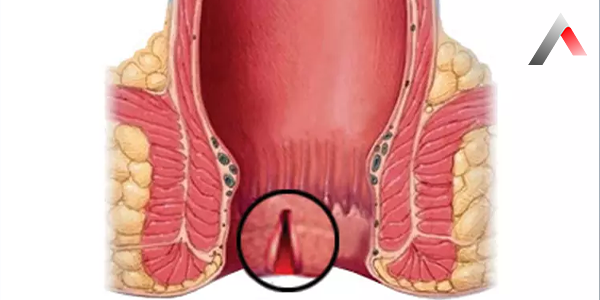

The diagnosis of an anal fissure is usually made through a physical examination and evaluation of the patient’s symptoms. Here are the steps followed during the diagnostic process:
- Patient History:
- The doctor listens carefully to the patient’s symptoms, particularly pain and bleeding during defecation, bowel habits, and medical history in detail.
- Physical Examination:
- The doctor visually examines the anal area to detect the fissure.
- A careful inspection of the anal region is performed, which often allows the fissure to be seen with the naked eye.
- If necessary, a rectal examination (digital rectal exam) may be performed. However, in cases of severe pain, this examination may be postponed.
- Anoscopy or Rectosigmoidoscopy:
- In chronic cases or when other anal conditions are suspected, endoscopic procedures such as anoscopy (visualization of the inside of the anal canal) or rectosigmoidoscopy (visualization of the inside of the rectum and sigmoid colon) may be used.
- Other Tests:
- Additional tests may be ordered to investigate underlying medical conditions such as inflammatory bowel disease (e.g., Crohn’s disease).
Important Notes:
- The diagnosis of an anal fissure can usually be made easily through a physical examination.
- The doctor determines the correct diagnosis and formulates an appropriate treatment plan by considering the patient’s symptoms and medical history.
- In cases of severe pain, a digital rectal examination may not be performed.
- If you are experiencing symptoms of an anal fissure, it is important to consult a doctor for accurate diagnosis and appropriate treatment.







 0 (850) 888 54 33
 WhatsApp
 E-Appointment