

Gastric sleeve surgery, also known as sleeve gastrectomy, is the most commonly performed method in obesity surgery. In this operation, approximately 80% of the stomach is removed using a closed technique. The remaining stomach is narrow and long, shaped like a banana. This anatomical change promotes weight loss and improvement of obesity-related health problems through several key mechanisms:
Laparoscopic surgery has several advantages:
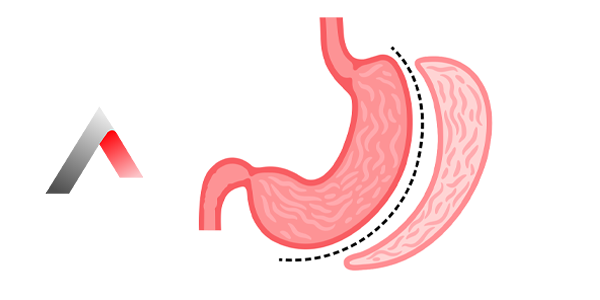
The question “How is gastric sleeve surgery performed?” is one that many patients wonder about before making this important decision. Our specialists explain this surgical procedure, which affects your quality of life and digestive system. Here is the step-by-step process:
At A Life Health Group, this procedure includes the following stages:
The answer to the question “How long does gastric sleeve surgery take?” is generally between 1 and 2 hours. However, this duration may vary depending on the patient’s anatomy and the complexity of the operation.
The gastric sleeve surgery weight limit and requirements for gastric sleeve surgery are determined in accordance with international obesity surgery guidelines and the evaluations of the specialist physicians at A Life Health Group. The generally accepted criteria are as follows:
The answer to the question “At what weight is gastric sleeve surgery performed?” is related to these BMI values and accompanying health conditions. Although there is no specific weight limit, patients who meet the above-mentioned BMI criteria and other requirements are evaluated for surgery.
Life after gastric sleeve surgery is critically important for successful weight loss and long-term health. At A Life Health Group, we support our patients who are suitable for obesity surgery with a multidisciplinary approach throughout this process.
Postoperative Nutrition:
Nutritional habits progress gradually according to a special program:
Restrictions After Gastric Sleeve Surgery:
Certain restrictions are necessary to protect the new stomach structure. These are designed to improve nutrient absorption and reduce the risk of complications. They generally include:
Weight Loss Rate After Gastric Sleeve Surgery:
Although it varies from person to person, weight loss is usually faster in the first few months. Patients typically lose a significant portion of their excess weight within the first 6–12 months. The rate of weight loss slows down over time, and reaching the ideal weight may take 1–2 years. Patients who have undergone gastric sleeve surgery should have regular follow-ups with their doctor and dietitian during this period.
10 Years After Gastric Sleeve Surgery:
Long-term studies show that most patients maintain their weight loss. In addition, permanent improvements have been achieved in health problems related to obesity. However, this success depends on the patient’s adherence to postoperative lifestyle changes and regular medical follow-up.
As with any surgical procedure, there are certain risks associated with gastric sleeve surgery. However, at A Life Health Group, our experienced surgical team aims to minimize these risks by strictly adhering to established protocols. Possible risks include:
The complications of gastric sleeve surgery can generally be reduced through proper patient selection, appropriate surgical technique, and careful postoperative follow-up. The mortality risk of gastric sleeve surgery is quite low in modern surgical centers with experienced teams, typically between 0.1% and 0.3%.
The cost of gastric sleeve surgery depends on several factors, including the patient’s health condition, the chosen hospital, the surgeon’s experience, and postoperative care. Regarding the SGK gastric sleeve surgery cost, patients who meet certain criteria may benefit from the support of the Social Security Institution (SGK).
A Life Health Group is among the hospitals contracted with SGK for gastric sleeve surgery. For questions such as “How much does gastric sleeve surgery cost?” or “What is the price of stomach sleeve surgery?”, you can contact us for detailed information and learn about personalized pricing options.
At A Life Health Group, we provide modern medical infrastructure for patients in need of gastric sleeve surgery in Ankara. With our experienced obesity surgery specialists and multidisciplinary team, we offer healthcare services at the highest standards. We are a trusted address for those who wish to take a step toward a healthier and lighter life in Ankara.
Take a step toward a healthy future with A Life Health Group. Contact us to learn more about gastric sleeve surgery. We will create a personalized treatment plan for you and arrange an appointment. Our expert team will be happy to answer all your questions and provide you with the best possible care.
Last Updated: 6 Kasım 2025 14:05
Publish Date: 30 Temmuz 2024 01:59
Please fill in the fields below so that we can reach you
We are here for all your questions and problems 24/7.


 TR Türkçe
 EN English
 0 (850) 888 54 33


 E-Appointment
 E-Appointment
  E-Result



 0 (850) 888 54 33
 WhatsApp
 E-Appointment