


 TR Türkçe
 EN English
 0 (850) 888 54 33


 E-Appointment
 E-Appointment
  E-Result
Milk is an important nutrient source that helps strengthen the immune system. The vitamins and minerals it contains assist the body in fighting diseases. Especially for children, milk consumption can help protect against infections.


Milk is a food that has held an important place in human nutrition for thousands of years and provides many health benefits. With its rich nutritional content, milk is an indispensable food for all age groups, from children to adults, and is especially known for its contributions to bone health. In addition, it has many positive effects such as supporting the immune system, providing energy, and regulating metabolism. Here, we take a detailed look at the benefits of milk.
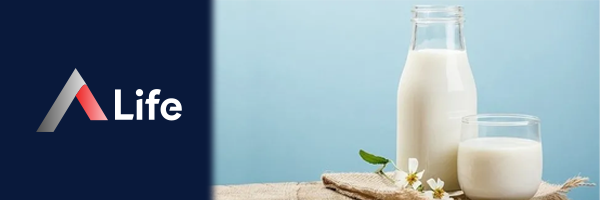
Milk is very rich in essential nutrients such as vitamins, minerals, protein, and fat. One glass (200 ml) of milk contains:
Milk contains important minerals such as calcium and vitamin D. These minerals are essential for maintaining and strengthening bone health. Especially for children, milk consumption can help bone development and reduce the risk of osteoporosis in later years. In addition, for older adults, drinking milk is important for preserving bone health.
Milk is a high-quality source of protein. Therefore, it is an ideal beverage for athletes and people who exercise. The proteins in milk help with muscle development and repair. In addition, the amino acids in milk can help muscles grow faster.
Milk is an important nutrient source for heart health. The minerals it contains, such as potassium, magnesium, and calcium, can help protect heart health. Additionally, milk has a low saturated fat content, which may help reduce the risk of heart disease.
Dairy products such as probiotic yogurt or kefir benefit digestive system health. Regular milk consumption may help balance the gut flora. However, individuals with lactose intolerance are advised to choose lactose-free milk.
Milk is an important beverage that can aid in weight management. Its protein content may increase the feeling of fullness, helping you eat less. Additionally, the calcium in milk can help accelerate fat burning.
Milk is also an important source of nutrients for skin health. Its vitamin A and amino acids help maintain the skin's moisture balance and contribute to a healthier appearance. Additionally, the lactic acid in milk can help the skin look brighter and smoother.
The benefits of milk are endless. In this article, we have mentioned only some of its key benefits. Remember that milk consumption is important for health and try to include milk in your daily diet. Share this article to emphasize the importance of milk consumption for a healthy life.
Milk, with its vitamin B12 and magnesium content, supports the proper functioning of the nervous system. This can have positive effects on mood and help reduce stress levels.
Milk, with its carbohydrates, proteins, and fats, is a source of energy. Consuming milk at breakfast or as a snack can increase your energy levels and help you feel full for a long time.
Some individuals need to be cautious when consuming milk:
Those with Lactose Intolerance: These individuals can prefer lactose-free milk or plant-based milk alternatives.
Those with Milk Allergy: In this case, milk and dairy products should be completely avoided.
Chronic Illnesses: Individuals with heart disease or kidney disorders should regulate milk consumption according to their doctor's recommendations.
Milk is one of the cornerstones of a healthy life. However, each individual's need for milk consumption is different. Expert advice is important to ensure that milk and other foods are properly included in your diet. At A Life health Group, we offer the most suitable solutions with our healthy nutrition and lifestyle consultancy services.
If you have questions about milk consumption or want to improve your eating habits, you can contact the expert dietitians of A Life health Group. Remember, a healthy life starts with proper nutrition!
Last Updated: 6 Kasım 2025 14:05
Publish Date: 24 Nisan 2024 17:45

Please fill in the fields below so that we can reach you
We are here for all your questions and problems 24/7.





 0 (850) 888 54 33
 WhatsApp
 E-Appointment