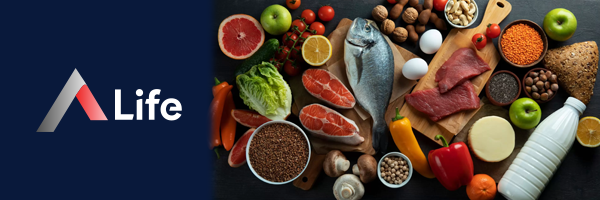

Which Foods Contain Zinc? What Happens When There Is a Deficiency?

What Is Zinc and Its Importance in the Body

Zinc is a mineral that helps many enzymes and proteins in our body perform their functions. It also contributes to strengthening the immune system, cell division and growth, wound healing, and DNA synthesis. In addition, zinc is important for the health of hair, skin, and nails.

Zinc also aids in the development of our sense of taste and smell. Therefore, people with zinc deficiency may experience a decrease in their ability to taste and smell.

Zinc plays a vital role in many essential processes such as immune function, cell regeneration, wound healing, and growth. Since the body cannot produce or store zinc, the daily requirement must be met through diet.

Daily Zinc Requirement:

  • Adult men: 11 mg
  • Adult women: 8 mg
  • Pregnant and breastfeeding women: 11–12 mg
What_Is_Zinc_and_Its_Importance_in_the_Body_55f48afd.webp

What Causes Zinc Deficiency?

Zinc deficiency can occur due to inadequate nutrition, absorption disorders, or increased demand.

Risk Groups:

  • Pregnant and breastfeeding women
  • Vegetarians and vegans
  • Individuals with intestinal diseases (Crohn’s disease, celiac disease)
  • People with weakened immune systems

Symptoms of Zinc Deficiency

  • Weakened Immune System: Frequent infections
  • Skin Problems: Eczema, dry skin, and delayed wound healing
  • Hair Loss: Excessive hair loss and thinning of hair
  • Loss of Taste and Smell: Reduced sense of taste and smell
  • Growth Retardation: Growth and developmental disorders in children
  • Loss of Appetite and Fatigue

Is Excess Zinc Harmful?

Excessive zinc intake may cause nausea, dizziness, and a weakened immune system. The recommended daily dose should not be exceeded.

Zinc Deficiency and Possible Problems

Zinc deficiency can cause many problems in the body. Individuals with zinc deficiency often have weakened immune systems and become more prone to infections. In addition, wound healing may slow down.

Zinc deficiency also negatively affects skin, hair, and nail health. Issues such as dry skin, hair loss, and brittle nails may occur.

Moreover, people with zinc deficiency may experience a decrease in their sense of taste and smell, making it harder to enjoy the taste and aroma of foods.

Zinc deficiency can also lead to growth and developmental problems in children. In pregnant women, zinc deficiency increases the risk of low birth weight and premature birth.

How to Prevent Zinc Deficiency

To prevent zinc deficiency, it is important to maintain a balanced and healthy diet. Foods such as meat, fish, shellfish, dairy products, and eggs should be consumed regularly as they are rich sources of zinc.

Additionally, zinc supplements can be used to prevent deficiency; however, it is essential to consult a doctor before taking any supplements.

Which Foods Contain Zinc?

Zinc is a mineral that cannot be produced by the body and therefore must be obtained through food sources. The best sources of zinc include meat, fish, shellfish, dairy products, eggs, and grains.

Red meat, especially beef, is particularly rich in zinc. Shellfish also contain high amounts of zinc — oysters, in particular, are among the richest sources of zinc.

Dairy products and eggs are also sources of zinc, although the zinc content in dairy is lower compared to meat and seafood. The yolk of the egg contains more zinc than the white.

Grains also contain zinc; however, the zinc found in grains is less absorbable than that from animal sources. Therefore, relying solely on grains to meet your zinc needs may not be sufficient.

Zinc-rich foods include:

Seafood

  • Oysters: The richest source of zinc.
  • Seafood such as shrimp, salmon, and crab also contain zinc.

Red and White Meat

  • Beef, lamb, and turkey are all rich in zinc.
  • Chicken breast and liver also help support zinc intake.
Nuts and Seeds
  • Pumpkin seeds, sesame seeds, sunflower seeds, and cashews are good sources of zinc.
  • Almonds and walnuts are also nuts with high zinc content.
Legumes
  • Chickpeas, lentils, and beans contain zinc. However, the absorption of plant-based zinc is lower than that from animal sources.
Milk and Dairy Products
  • Milk, yogurt, and cheese are rich in zinc and have high bioavailability.
Whole Grains
  • Oats, brown rice, bulgur, and whole wheat bread contain zinc. However, phytates in these foods may reduce zinc absorption.
Vegetables and Fruits
  • Green leafy vegetables such as spinach, cabbage, and broccoli contain zinc.
  • Fruits like avocado, banana, and pomegranate contain small amounts of zinc.
Prepared by A Life Medical Editorial Board.

Last Updated: 6 Kasım 2025 14:05

Publish Date: 24 Nisan 2024 17:55

Which Foods Contain Zinc? What Happens When There Is a Deficiency?

Quick Application Form

Please fill in the fields below so that we can reach you

Related Departments
Related Doctors
Similar Contents

Do you need help?

We are here for all your questions and problems 24/7.