
Laparoscopic Umbilical Hernia Surgery

Minimal Invasive Solution for a Comfortable Return to Life

Learn detailed information about open umbilical hernia and laparoscopic surgery at A Life Health Group. Quick recovery and minimal scarring with minimally invasive methods! Visit our website for information on umbilical hernia symptoms, causes, and treatment options.

What is an Umbilical Hernia?

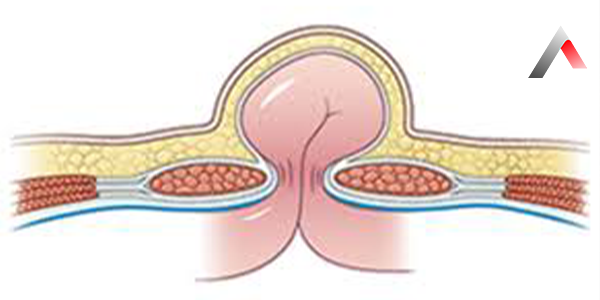
An umbilical hernia occurs when the abdominal wall muscles weaken or tear, causing organs inside the abdomen to protrude through the abdominal wall. Hernias are most commonly observed around the navel and may present with swelling, pain, discomfort, nausea, and aesthetic concerns.

Umbilical hernias can occur in both adults and children. In newborns, they usually arise due to incomplete closure of the umbilical ring. In adults, risk factors include lifestyle, weight, pregnancy, heavy lifting, and chronic coughing.

Umbilical_Hernia_24b28c3b.webp

Anatomical Basis of Umbilical Hernia

The abdominal wall consists of skin, fat tissue, muscles, and connective tissue. An umbilical hernia occurs when these muscles and connective tissues weaken. Abdominal organs (intestines, fat tissue) protrude through the weak spot, creating a bulge.

The main muscles of the abdominal wall include:

  • Rectus abdominis: The primary muscle group affected around the navel.
  • Obliquus externus and internus abdominis: Lateral abdominal muscles that balance intra-abdominal pressure.
  • Transversus abdominis: Supports internal organs and provides resistance against hernia formation.

An umbilical hernia develops due to weakening of one or more of these muscles, and the size of the hernia can increase as pressure rises.

Symptoms of Umbilical Hernia

The symptoms of an umbilical hernia vary depending on the size of the hernia, its duration, and the degree of weakness in the abdominal wall. Common symptoms include:

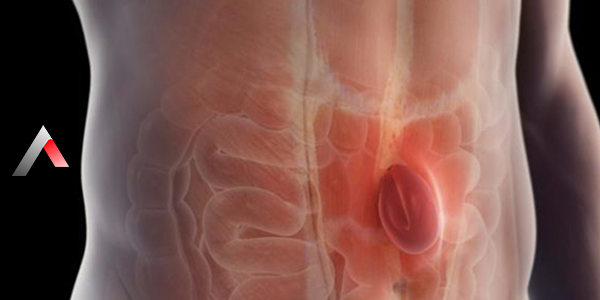
  • Swelling in the Navel Area: The bulge at the hernia site becomes more noticeable during activities that increase intra-abdominal pressure, such as coughing, sneezing, or bending. Over time, the swelling may grow and cause aesthetic discomfort.
  • Pain in the Navel Area: Hernias often cause pain along with a feeling of pressure and stretching. Pain can increase during prolonged standing, sitting, or heavy lifting.
  • Discomfort and Pressure Sensation: A feeling of fullness or pressure in the hernia area is common. This sensation can limit daily activities and reduce quality of life.
  • Cosmetic Deformity: The hernia creates a noticeable protrusion around the navel. This can lead to aesthetic concerns regarding clothing choices and body appearance.
  • Nausea and Vomiting: Rarely, the hernia may affect the intestines, causing nausea and vomiting. This can indicate that the hernia requires urgent medical attention.
  • Constipation and Digestive Issues: In some patients, the umbilical hernia may interfere with bowel movements, leading to constipation and digestive problems.

Causes of Umbilical Hernia

Several factors contribute to the development of an umbilical hernia. The main causes include:

  • Childbirth and Pregnancy: During pregnancy, intra-abdominal pressure increases, stretching the abdominal wall muscles. Incomplete recovery of these muscles after childbirth increases the risk of an umbilical hernia.
  • Excess Weight and Obesity: Excess weight increases intra-abdominal pressure, straining the muscles. Obesity is a significant risk factor for hernia formation.
  • Heavy Lifting: Straining the abdominal wall muscles during heavy lifting can weaken them over time, increasing the risk of hernia.
  • Chronic Cough: Continuous coughing due to smoking, asthma, or bronchitis exerts pressure on the abdominal wall, facilitating hernia formation.
  • Aging: Muscle tissue weakens with age. Especially in individuals over 40, the elasticity of abdominal wall muscles decreases, increasing the likelihood of an umbilical hernia.
  • Genetic Factors: Some people have structurally weaker connective tissue, which raises the risk of developing an umbilical hernia.

Diagnosis of Umbilical Hernia

The diagnosis of an umbilical hernia is usually made through a physical examination. Your doctor carefully examines the umbilical area to determine the size and type of the hernia.

Imaging Methods

  • Ultrasonography: Examines the condition of the abdominal wall and internal organs.
  • Computed Tomography (CT): Provides a detailed anatomical view of the hernia.
  • Magnetic Resonance Imaging (MRI): Used especially in complicated cases.

During the diagnostic process, the patient’s medical history, lifestyle, and risk factors are also evaluated.

LAPAROSCOPIC_UMBILICAL_HERNIA_ac1c77b8.webp

Laparoscopic Umbilical Hernia Surgery

Laparoscopic umbilical hernia surgery is a minimally invasive surgical method. It carries fewer risks compared to open surgery and has a shorter recovery period.

Surgical Process

  • Small Incisions Are Made: Several small incisions are created in the abdominal wall.
  • Use of Laparoscope: A thin tube called a laparoscope, equipped with a camera and light source, is inserted. The internal images are displayed on a screen.
  • Hernia Repair: The muscles in the hernia area are repaired, and the hernia protrusion is covered with a special mesh. This method reduces the risk of hernia recurrence.

Advantages of Laparoscopic Umbilical Hernia Surgery

  • Minimally Invasive: Smaller incisions result in less postoperative pain.
  • Fewer Complications: Lower risk of infection and bleeding compared to open surgery.
  • Faster Recovery: Patients can return to normal life more quickly after surgery.
  • Shorter Hospital Stay: Reduced duration of hospitalization post-surgery.
  • Less Scarring: Offers aesthetic advantages.

Postoperative Care

Postoperative care is the most critical phase of the recovery process.

  • Light Activity: Avoid heavy physical activities during the first days.
  • Balanced Nutrition: Foods rich in fiber prevent constipation and accelerate healing.
  • Pain Management: Painkillers prescribed by the doctor should be taken regularly.
  • Wound Care: Keeping incisions clean and dry reduces the risk of infection.
  • Follow-up Examinations: Attending postoperative check-ups is essential.
Preventing Umbilical Hernia Recurrence
  • Weight Control: Avoid excess weight to reduce intra-abdominal pressure.
  • Avoid Heavy Lifting: Lift heavy objects using proper techniques.
  • Regular Exercise: Exercises that strengthen abdominal muscles help prevent hernias.
  • Quit Smoking: Smoking can cause chronic cough, increasing hernia risk.
The Difference of A Life Health Group in Laparoscopic Umbilical Hernia Surgery
  • Expert Physician Team: Safe and effective surgical services provided by experienced surgeons.
  • Individualized Treatment Plans: A personalized treatment approach for each patient.
  • Safe and Modern Methods: Use of state-of-the-art equipment and secure surgical techniques.
  • Patient Satisfaction: Patients' comfort and safety are prioritized.
  • Confidentiality: All health information is securely protected.
Frequently Asked Questions

What is the difference between laparoscopic surgery and open surgery?
The laparoscopic method is less invasive, has a shorter recovery time, and results in smaller scars.

When can daily life be resumed after surgery?
Patients can usually return to light activities within 1–2 weeks, with full recovery taking 4–6 weeks.

Does the hernia recur?
With proper surgery and lifestyle adjustments, the risk of recurrence is minimized.

What are the risks of pain and infection?
With the minimally invasive method, the risk of pain and infection is very low.

Contact Us Immediately

If you are experiencing hernia symptoms or have concerns about this condition, contact A Life Health Group. Our expert team is here to provide you with the most suitable treatment.

Schedule an Appointment by Filling Out the Quick Form:
For detailed information about laparoscopic hernia surgery and treatment options, fill out the quick form on our website.

A Life Health Group is here to take care of every aspect of your health.

Prepared by A Life Medical Editorial Board.

Last Updated: 6 Kasım 2025 14:05

Publish Date: 19 Eylül 2024 02:11

Laparoscopic Umbilical Hernia Surgery

Quick Application Form

Please fill in the fields below so that we can reach you

Related Departments
Related Doctors
Similar Contents

Do you need help?

We are here for all your questions and problems 24/7.