

Laser Ureteroscopy (Holmium Laser)

Lightning-Fast Solution for Your Kidney Stones

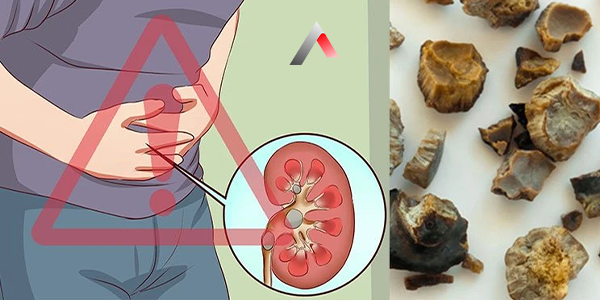
Kidney stones are a common health problem that can cause severe pain and discomfort, negatively affecting your life. Traditional treatment methods often involve long recovery times, pain, and discomfort. However, thanks to rapid advances in medical technology, minimally invasive, effective, and safe treatment options such as laser ureteroscopy (Holmium laser) are now available to our patients.

At A Life Health Group, we are committed to providing the best healthcare by adopting the latest technologies and best practices in kidney stone treatment. In this comprehensive guide, we will cover everything you need to know about laser ureteroscopy (Holmium laser), enabling you to make an informed decision and take the right step for your health.
Laser_Ureteroscopy_430f367e.webp

What is Laser Ureteroscopy (Holmium Laser)?

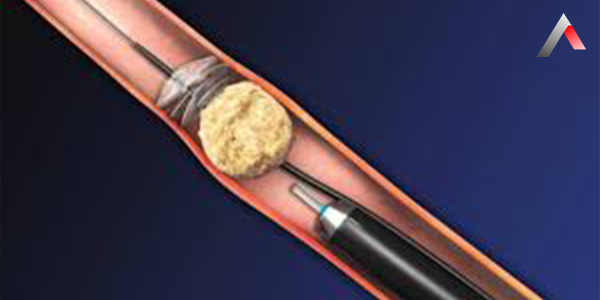
Laser ureteroscopy (Holmium laser) is a minimally invasive surgical procedure used to break and remove stones in the kidneys and urinary tract. In this procedure, a thin and flexible telescope called a ureteroscope, equipped with a powerful Holmium laser at its tip, is used. The ureteroscope is guided through the urethra into the bladder, then into the ureter and kidney.

The Holmium laser emits high-energy laser beams to fragment the stones into smaller pieces. These fragments can then be naturally expelled from the body or removed using the ureteroscope. The precision of the Holmium laser minimizes damage to surrounding tissues, resulting in faster recovery, fewer complications, and better outcomes.
What_is_Laser_Ureteroscopy__Holmium_Laser__baa3f234.webp

Who is Suitable for Laser Ureteroscopy (Holmium Laser)?

Laser ureteroscopy is an effective and safe option for treating various kidney stone cases. Your doctor may recommend laser ureteroscopy in the following situations:

  • All Stone Sizes: Laser ureteroscopy can be used to treat small, medium, and large kidney stones.
  • Stones in Any Location: The procedure can treat stones located in the kidney, ureter, or bladder.
  • Previous Treatment Failures: For patients who have undergone other kidney stone treatments but the stones were not completely cleared, laser ureteroscopy can be an effective option.
  • Anatomical Abnormalities: For patients with anatomical abnormalities in the urinary tract, laser ureteroscopy provides a safe and effective way to access and treat stones.

What Are the Advantages of Holmium Laser?

Laser ureteroscopy (Holmium laser) offers many advantages over open surgery, making it a preferred method in kidney stone treatment:

  • Minimal Invasive: As a procedure that does not require an incision, laser ureteroscopy results in less pain, shorter recovery time, and lower risk of complications.
  • Non-Surgical: Usually performed under general anesthesia as an outpatient procedure, allowing patients to go home the same day and return to daily activities more quickly.
  • Less Pain: Laser ureteroscopy is associated with significantly less pain and discomfort compared to open surgery.
  • Rapid Recovery: Most patients can resume normal activities within a few days after the procedure.
  • High Success Rate: Laser ureteroscopy has a high success rate in the treatment of kidney and ureter stones.
  • Enhanced Precision and Control: The Holmium laser allows precise targeting and fragmentation of stones, minimizing damage to surrounding tissues.
  • Versatility: Laser ureteroscopy can be effectively used for various stone sizes, locations, and compositions.

Preparation Before Holmium Laser

Your doctor will provide detailed instructions before laser ureteroscopy, but generally, you may need to follow these steps:

  • Medical History: Inform your doctor of all medications you are taking (including over-the-counter drugs, herbal supplements, and vitamins) and any known allergies.
  • Medication Adjustments: Your doctor may ask you to stop or adjust certain medications before laser ureteroscopy, especially if you are taking aspirin or other blood thinners.
  • Fasting: You may be required to avoid food and liquids for a specific period before the procedure. Your doctor will give you specific instructions regarding fasting.
  • Tests: You may need blood tests, urine tests, and imaging tests (such as X-ray, ultrasound, or CT scan) before the procedure.
  • Transportation Arrangements: You will need someone to take you home after the procedure.
  • Clothing: Wear comfortable clothing.

Laser Ureteroscopy (Holmium Laser) Procedure

Laser ureteroscopy (Holmium laser) is an advanced, minimally invasive surgical method used to treat stones in the kidneys and urinary tract. This procedure offers patients less pain, faster recovery, and a lower risk of complications. During the procedure, a high-energy Holmium laser is used to fragment the stones into small pieces, which can then be expelled naturally from the body or removed using the ureteroscope.

Let’s take a closer look at each stage of the laser ureteroscopy procedure:

1. Preoperative Preparation:

  • Patient Assessment: Before laser ureteroscopy, your doctor will thoroughly evaluate your medical history. It is important to provide information about medications, allergies, and previous surgeries.
  • Imaging Tests: Imaging tests such as X-ray, ultrasound, or computed tomography (CT) may be required to determine the size, shape, and location of the stone. These tests are an essential part of surgical planning.
  • Medication Adjustments: Blood-thinning medications such as aspirin, ibuprofen, and certain herbal supplements may need to be stopped before the procedure to reduce the risk of bleeding. Your doctor will give you personalized instructions regarding which medications to continue or pause.
  • Fasting: Since the procedure is performed under general anesthesia, you must refrain from food and drink for the period specified by your doctor, usually 6–8 hours before the procedure.
  • Hospital Admission: On the day of the procedure, you will be admitted to the hospital according to the given instructions.
  • Intravenous Access: Nurses will establish an IV line to administer fluids and medications.

2. Anesthesia:

  • General anesthesia is administered so that you do not feel any pain or discomfort during the procedure. The anesthesiologist will determine the most suitable anesthesia method after evaluating your medical history and overall health.

3. Placement of the Ureteroscope:

  • Once anesthesia takes effect, your surgeon will clean the surgical area to minimize infection risk.
  • The ureteroscope is gently inserted through the urethra into the bladder and then into the ureter without any incision.
  • The light and camera system at the tip of the ureteroscope allows the surgeon to clearly visualize the urinary tract and the stone.

4. Stone Visualization and Positioning:

  • After insertion, the surgeon uses the camera at the tip of the ureteroscope to precisely locate and assess the stone.

5. Stone Fragmentation with Holmium Laser:

  • Once the stone is located, the Holmium laser fiber is directed onto the stone through the ureteroscope channel.
  • The Holmium laser emits short bursts of high-energy laser light upon contact with the stone.
  • This laser energy heats the stone and breaks it into smaller fragments (fragmentation).

6. Removal of Stone Fragments:

  • After fragmentation, the surgeon usually removes the pieces using the ureteroscope.
  • Specially designed small forceps or basket-like tools are used for this purpose.
  • In some cases, very small fragments may pass naturally through the urinary tract. Your surgeon will advise you accordingly.

7. Stent Placement (If Necessary):

  • Depending on the size and location of the stone, your surgeon may place a stent to keep the urinary tract open during the recovery process.
  • The stent is a small, flexible tube that facilitates urine flow from the kidney to the bladder and reduces possible swelling in the urinary tract.
  • The stent is typically removed a few days or weeks later in a brief follow-up procedure.

8. Completion of the Procedure:

  • After stone removal and stent placement (if needed), the ureteroscope is carefully withdrawn.
  • The catheter is usually removed shortly after the procedure.

9. Recovery Process:

  • After the procedure, you may be observed in a recovery area for a short period.
  • Once the anesthesia wears off, you are usually discharged on the same day.
  • Recovery time varies by individual, but most patients can resume normal activities within a few days.
  • Your doctor may prescribe medications to manage pain and discomfort.
  • Drinking plenty of water helps speed recovery and reduces the risk of infection.

Laser ureteroscopy (Holmium laser) is generally a safe procedure and an effective treatment option for most patients.

Remember, this information is for general guidance only. Any questions or concerns regarding your health should be discussed directly with your doctor.

Prepared by A Life Medical Editorial Board.

Last Updated: 6 Kasım 2025 14:05

Publish Date: 23 Eylül 2024 23:39

Laser Ureteroscopy (Holmium Laser)

Quick Application Form

Please fill in the fields below so that we can reach you

Related Departments
Related Doctors
Mustafa Kemal Atikeler
Prof. Dr. Mustafa Kemal Atikeler

Urology

Similar Contents

Do you need help?

We are here for all your questions and problems 24/7.