
Open Umbilical Hernia Surgery

A Safe and Effective Solution for a Comfortable Life

At A Life Health Group, you can obtain detailed information about open umbilical hernia and surgical treatment options. This page provides comprehensive content on the symptoms, causes, diagnostic methods, and surgical options for open umbilical hernia. By restoring your abdominal health, you can improve your quality of life.

What is an Open Umbilical Hernia?

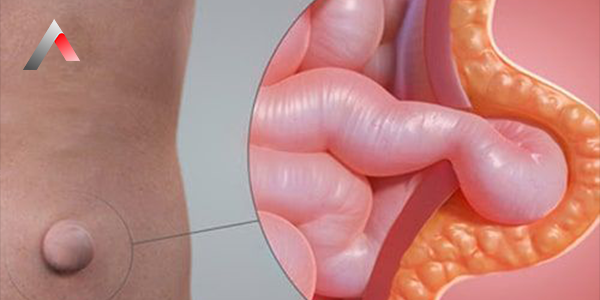
An open umbilical hernia occurs when the muscles and tissues of the abdominal wall weaken or tear, causing the organs inside the abdomen to protrude through the abdominal wall. This condition is particularly noticeable around the navel and can lead to various physical and aesthetic problems. Depending on the size of the hernia and the patient’s lifestyle, symptoms such as pain, discomfort, and appearance issues may develop.

Although hernias can occur at any age, they are more common in women who have given birth, overweight individuals, and the elderly population. Weakening of the abdominal wall muscles, increased intra-abdominal pressure, or genetic factors can trigger the formation of a hernia. Therefore, early diagnosis and appropriate treatment can significantly improve patients’ quality of life.
Open_Umbilical_Hernia_d91d34cd.webp

What Are the Symptoms of Open Umbilical Hernia?

The symptoms of an open umbilical hernia vary depending on the size, location, and individual factors. In the early stages, symptoms may be mild, but as the condition progresses, it can significantly affect quality of life.

  • Swelling in the Navel Area: The hernia usually appears as a noticeable swelling around the navel. This swelling becomes more pronounced during coughing, sneezing, or sudden movements. In some patients, swelling that is noticeable during the day may increase further in the evening.
  • Pain in the Navel Area: Due to weakness in the abdominal wall, pain may increase during movement or prolonged standing and sitting. Pain can sometimes radiate to the lower back and spine.
  • Discomfort in the Navel Area: There is a constant feeling of pressure and discomfort in the hernia region, which is especially noticeable during physical activity.
  • Appearance Issues: The hernia can cause an aesthetic problem in the navel area. This may affect patients' self-confidence and negatively impact social life.
  • Nausea and Vomiting: When abdominal organs become trapped in the hernia sac, it can cause digestive system problems. This is particularly observed in patients at risk of intestinal obstruction.
  • Constipation: Difficulty in bowel movements due to the hernia can lead to constipation. Prolonged constipation increases intra-abdominal pressure, which may cause the hernia to enlarge.
  • Symptoms can vary from person to person, so early evaluation by a specialist is very important.

What Are the Causes of Open Umbilical Hernia?

Open umbilical hernia does not result from a single cause but occurs due to a combination of multiple factors.

  • Childbirth: In women, especially those who have had multiple pregnancies, the abdominal wall muscles can weaken. This increases the risk of an umbilical hernia.
  • Excess Weight and Obesity: Being overweight creates constant pressure on the abdominal wall. This pressure weakens the abdominal muscles, paving the way for hernia formation.
  • Heavy Lifting: Regularly lifting heavy objects strains and weakens the abdominal muscles. This is a significant factor that increases hernia risk.
  • Chronic Cough: Chronic cough, especially due to smoking or respiratory diseases, applies continuous pressure to the abdominal muscles.
  • Aging: As age increases, the elasticity of the abdominal wall muscles decreases, making hernia formation easier.
  • Genetic Factors: A family history of hernia increases a person’s predisposition to develop a hernia.

Knowing these causes allows for preventive measures and lifestyle modifications.

How Is Open Umbilical Hernia Diagnosed?

Diagnosis is made through a detailed physical examination and, if necessary, imaging methods. Your doctor carefully examines the umbilical area to determine the size, location, and severity of the hernia.

  • Ultrasonography: Used to visualize weak areas in the abdominal wall and the hernia sac.
  • Computed Tomography (CT): Preferred for large or complex hernias to determine organ placement and complication risks.
  • Magnetic Resonance Imaging (MRI): May be used in rare, complex cases.

Early diagnosis plays a critical role in preventing hernia progression and planning surgical intervention.

Open Umbilical Hernia Surgery

Open umbilical hernia surgery is a procedure performed to repair the weakness in the abdominal wall and prevent the hernia from recurring.

  • Surgical Process: A small incision is made in the hernia area, the protruding tissue is returned to its place, and the weak area is reinforced. In most cases, the hernia site is supported with a special surgical mesh.
  • Preoperative Preparation: The patient’s general health, chronic illnesses, and medication use are evaluated. Blood tests, EKG, and lung assessments are performed if necessary.
  • Postoperative Care: Patients usually stay in the hospital for a short period. Heavy lifting and intense physical activities should be avoided during the first few weeks.
  • Rehabilitation: Exercises that strengthen the abdominal muscles accelerate recovery and reduce the risk of recurrence.

Advantages of Open Umbilical Hernia Surgery:

  • Reducing the Risk of Recurrence: Surgery helps reduce the risk of the hernia recurring.
  • Relieving Pain and Discomfort: Surgery helps alleviate pain and discomfort in the hernia area.
  • Correcting Appearance Deformities: Surgery helps improve the appearance of the umbilical region.

As A Life Health Group, if you are diagnosed with an open umbilical hernia, our specialist doctors and experienced healthcare staff will carefully listen to you and determine the most suitable treatment plan for you.

The Difference of A Life Health Group in Open Umbilical Hernia Surgery

  • Expert Physician Team: Services are provided by experienced surgeons and a multidisciplinary team.
  • Personalized Treatment Plans: A tailored treatment plan is prepared for each patient according to their needs.
  • Safe and Effective Methods: Procedures are performed using modern surgical techniques and safe anesthesia practices.
  • Patient Satisfaction: Patient satisfaction and comfort are prioritized throughout the process.
  • Confidentiality and Ethics: All health data is kept confidential and handled according to ethical standards.

Contact Us Immediately!

If you are experiencing symptoms of an umbilical hernia or are concerned about it, you can contact A Life Health Group. Our expert team is ready to provide you with the most suitable treatment and surgical options.

  • Book an Appointment via Quick Form: You can schedule your appointment and get detailed information using the quick form on our website.
  • Expert Consultation: Your process is supported with consultation services before and after the treatment.
  • Improve Your Quality of Life: With early diagnosis and effective treatment, you can comfortably return to your daily activities.
Book an Appointment via Quick Form:

To learn more about open umbilical hernia surgery and discuss treatment options, please fill out the quick form on our website.

A Life Health Group is here to take care of every aspect of your health. With our modern medical infrastructure, experienced team, and patient-focused approach, we provide a safe and effective treatment experience. Regain your abdominal health and return to a comfortable life by contacting us immediately.

A Life Health Group is here to take care of every aspect of your health.

Prepared by A Life Medical Editorial Board.

Last Updated: 6 Kasım 2025 14:05

Publish Date: 19 Eylül 2024 02:11
Open Umbilical Hernia Surgery

Quick Application Form

Please fill in the fields below so that we can reach you

Related Departments
Related Doctors
Similar Contents

Do you need help?

We are here for all your questions and problems 24/7.