
Radiofrequency Nasal Polyp Surgery

A New Beginning for Comfortable Breathing

Breathe easily with nasal polyp enlargement treatment using the radiofrequency method at A Life Health Group! The radiofrequency method provides fast recovery, minimal pain, and high comfort during nasal polyp reduction. In this article, we will examine in detail the causes and symptoms of nasal polyp enlargement, diagnostic methods, the advantages of radiofrequency surgery, and the services offered by A Life Health Group.

What is Nasal Polyp Enlargement?

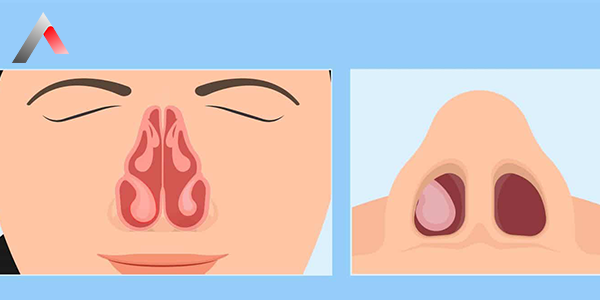
Nasal polyps are mucosal tissues that line the inner surface of the nasal cavity and function to humidify and filter the inhaled air. Nasal polyp enlargement refers to the abnormal swelling and growth of these tissues. Enlargement of nasal polyps can narrow the nasal cavity, causing difficulty breathing, snoring, and sleep problems.

Anatomical Structure of Nasal Polyps

Nasal polyps are generally divided into three groups: inferior, middle, and superior. The inferior nasal polyps are larger and directly affect breathing. Therefore, their enlargement can significantly impact the patient’s daily quality of life. The radiofrequency method provides effective results, especially when applied to the inferior nasal polyps.

Nasal_Polyp_Enlargement_61bd2704.webp

What Are the Symptoms of Nasal Polyp Enlargement?

The most common symptoms of nasal polyp enlargement are:

  • Difficulty Breathing: Especially at night or when lying down.
  • Mouth Breathing: Breathing through the mouth due to difficulty breathing through the nose.
  • Sleep Apnea: Interruption of breathing during sleep.
  • Sleep Problems: Reduced sleep quality and increased fatigue.
  • Headache: Head pain due to sinus pressure.
  • Facial Pain: Pressure and pain in the face.
  • Loss of Smell: Decreased sense of smell.

What Are the Causes of Nasal Polyp Enlargement?

There are many possible causes of nasal polyp enlargement:

  • Allergies: Allergic rhinitis can cause swelling and enlargement of nasal polyps.
  • Infections: Infections such as sinusitis, flu, and cold can lead to swelling and growth of nasal polyps.
  • Hormonal Changes: Changes in hormone levels during pregnancy and menopause can cause nasal polyp enlargement.
  • Medications: Certain medications, such as blood pressure drugs, can lead to nasal polyp growth.
  • Environmental Factors: Dust, smoke, and pollution can irritate and enlarge nasal polyps.
  • Polyps: Benign tumors forming in the nasal tissues can cause nasal polyp enlargement.

How is Nasal Polyp Enlargement Diagnosed?

The diagnosis of nasal polyp enlargement is made by evaluating the patient’s symptoms and performing a physical examination. Your doctor will examine the nasal cavity to assess the size and severity of the nasal polyps. Additionally, the following tests may be performed:

  • Rhinoscopy: A procedure in which a device is inserted into the nasal cavity. Rhinoscopy is used to visualize the size of the nasal polyps and other abnormalities.
  • Sinus X-Ray: Taken to image the sinuses. A sinus X-ray helps evaluate the presence of sinusitis and the size of the nasal polyps.
  • CT or MRI: Used to capture more detailed images of the nose and sinuses. CT or MRI provides a better view of nasal polyp enlargement and other abnormalities.


Radiofrequency Nasal Polyp Surgery

Radiofrequency nasal polyp surgery allows the reduction of nasal polyps using a minimally invasive method. During the procedure, radiofrequency energy is applied to the nasal polyps to reduce tissue volume. It is usually performed under local anesthesia, with patient comfort as a priority.

Surgical Procedure

  • Anesthesia Administration: The nose and surrounding area are numbed with local anesthesia.
  • Radiofrequency Application: Energy is delivered to the nasal polyps using a specialized device.
  • Reduction Process: The energy decreases tissue volume and minimizes bleeding.
  • Recovery Process: The patient can return to normal daily life shortly after the procedure.
Radiofrequency_Nasal_Polyp_Surgery._0e5764bd.webp

Advantages of Radiofrequency Nasal Polyp Surgery:

  • Minimally Invasive: Since the surgery is performed with small incisions, pain and recovery time are reduced.
  • Lower Risk: Carries fewer complications compared to open surgery.
  • Rapid Recovery: Patients can return to normal activities more quickly after surgery.
  • Short Hospital Stay: The patient’s hospital stay is shorter.
  • Reduced Bleeding: The coagulation properties of radiofrequency energy minimize the risk of bleeding.
  • Less Pain: Postoperative pain and discomfort are reduced.
  • Long-Lasting Results: Radiofrequency nasal polyp surgery generally provides permanent results.

At A Life Health Group, if you are diagnosed for radiofrequency nasal polyp surgery, our expert doctors and experienced healthcare staff will carefully listen to you and create a personalized treatment plan to determine the most suitable therapy for you.

Postoperative Care After Radiofrequency Nasal Polyp Surgery

The recovery process after surgery is important for the success of the procedure and patient comfort:

  • Nasal Hygiene: Perform nasal cleaning using saline sprays.
  • Pain Management: Mild pain can be managed with painkillers recommended by the doctor.
  • Medication Use: Antibiotics may be prescribed to reduce the risk of infection.
  • Rest: Avoid strenuous activities for the first few days.
  • Follow-Up Examinations: Doctor visits are important to monitor the recovery process.

Radiofrequency Nasal Polyp Surgery with A Life Health Group

Nasal polyp enlargement is a serious issue that affects quality of life. Radiofrequency nasal polyp surgery is an effective method for addressing this problem, offering a minimally invasive structure, rapid recovery, and long-lasting results. A Life Health Group provides a comfortable breathing experience with its expert team, safe procedures, and patient-centered approach.

If you are experiencing symptoms of nasal polyp enlargement or have concerns about this condition, contact A Life Health Group. Our expert team is here to assist you in the best possible way.

With A Life Health Group, comfortable breathing is now possible!

Frequently Asked Questions
  • Does radiofrequency nasal polyp surgery cause pain?
    Since it is performed under local anesthesia, pain is minimal. Mild discomfort may occur after surgery.
  • How soon can I return to normal life after surgery?
    Most patients can resume daily activities within 1–2 days. Full recovery may take 1–2 weeks.
  • Is there a risk of regrowth?
    The radiofrequency method provides long-lasting relief, but regrowth may occur in some allergic or chronic conditions.
The Difference of A Life Health Group in Radiofrequency Nasal Polyp Surgery
  • Expert Medical Team: We provide services through an experienced and specialized team in radiofrequency nasal polyp surgery.
  • Individualized Treatment Plans: We create customized treatment plans according to each patient’s needs.
  • Safe and Effective Treatment Methods: We use the latest technology and safe treatment methods.
  • Patient Satisfaction: The satisfaction of our patients is our priority.
  • Confidentiality: The privacy of your health information is extremely important to us.
Contact Us Immediately!

If you are experiencing symptoms of nasal polyp enlargement or have concerns about this condition, contact A Life Health Group immediately. Our expert team is here to assist you in the best possible way.

To learn more about radiofrequency nasal polyp surgery and discuss treatment options, please fill out the quick form on our website.

A Life Health Group is here to take care of every aspect of your health.

Prepared by A Life Medical Editorial Board.

Last Updated: 6 Kasım 2025 14:05

Publish Date: 20 Eylül 2024 23:51

Radiofrequency Nasal Polyp Surgery

Quick Application Form

Please fill in the fields below so that we can reach you

Related Departments
Related Doctors
Similar Contents

Do you need help?

We are here for all your questions and problems 24/7.