

Stomach surgery, or gastrectomy, is a surgical procedure that involves removing all or part of the stomach. This surgery is typically performed for stomach cancer, peptic ulcer disease, or, in some cases, obesity treatment. Gastrectomy may be used to control the spread of stomach cancer or to treat the disease before removing the stomach.
Stomach surgery is usually performed in two main ways:
After stomach surgery, the digestive system changes. In total gastrectomy, food passes directly from the esophagus to the small intestine, which can cause certain digestive issues. In partial gastrectomy, digestion is less affected since the stomach retains some of its functions.
Like any surgery, stomach surgery carries risks, including infection, bleeding, anesthesia-related complications, and digestive problems. Postoperative changes in diet and lifestyle may be required.
Gastrectomy is a major surgical procedure and is usually used as a last resort for treating serious stomach conditions. It is important to consult with a surgeon or specialist to discuss the procedure in detail and understand its risks and benefits.
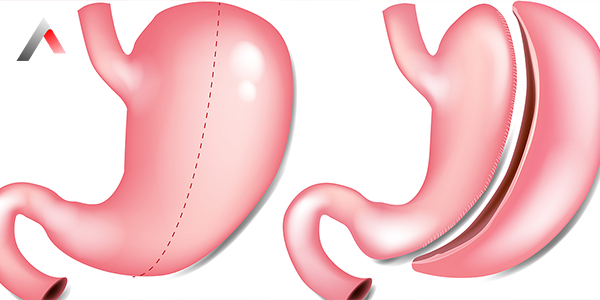
Stomach surgery, or gastrectomy, can be performed for various reasons. Here are the common indications for stomach surgery:
Stomach surgery is a complex procedure, and each case should be evaluated based on the patient’s individual condition and the severity of the disease. The necessity and suitability of the surgery should be determined by a surgeon or specialist.
Some potential benefits of stomach surgery include:
Each patient’s situation is different, and the benefits and risks of stomach surgery should be evaluated individually. The advantages of the procedure are assessed by a surgeon or specialist based on the patient’s condition, disease progression, and potential complications.
Nutrition is a crucial factor for patients who have undergone stomach surgery. After surgery, the digestive system changes, and the ability to digest certain foods may decrease or alter. Proper nutrition is important to support the recovery process, meet dietary requirements, and reduce the load on the digestive system.
Here is why nutrition is important for patients undergoing stomach surgery:
Postoperative nutrition may vary depending on the patient’s individual needs and the type of surgery. Therefore, it is important to have a personalized nutrition plan prepared by a nutritionist or dietitian.
Stomach surgery can generally be performed using traditional surgical techniques or minimally invasive surgery (laparoscopic surgery). The choice of technique depends on the patient’s condition, the purpose of the surgery, and the surgeon’s preference.
The surgical technique used for stomach surgery depends on the patient’s condition, the goals of the surgery, and the surgeon’s expertise. In all cases, your surgeon will inform you about the most appropriate technique.
Stomach surgery is often the preferred option for treating serious diseases or managing obesity. However, in some cases, alternative treatments may be considered. These include:
Stomach surgery is generally considered a last resort when alternative treatments fail or are not applicable. Each case is individual, and consulting a healthcare professional is crucial to determine the most suitable treatment option.
Last Updated: 6 Kasım 2025 14:05
Publish Date: 25 Nisan 2024 10:13
Please fill in the fields below so that we can reach you
We are here for all your questions and problems 24/7.


 TR Türkçe
 EN English
 0 (850) 888 54 33


 E-Appointment
 E-Appointment
  E-Result





 0 (850) 888 54 33
 WhatsApp
 E-Appointment