

Tonsils and adenoids are small organs made of lymphoid tissue located at the back of the throat. They function as part of the body's immune system and help defend against germs entering through the respiratory and digestive tracts. However, they can sometimes become infected and inflamed themselves.
Tonsillectomy is the surgical removal of the tonsils. The tonsils are lymphoid tissues located at the back of the throat. These tissues play an important role in protecting the body against infections. However, in some cases, the tonsils can become inflamed or enlarged, leading to various problems. Tonsillectomy aims to resolve these issues by removing the tonsils.
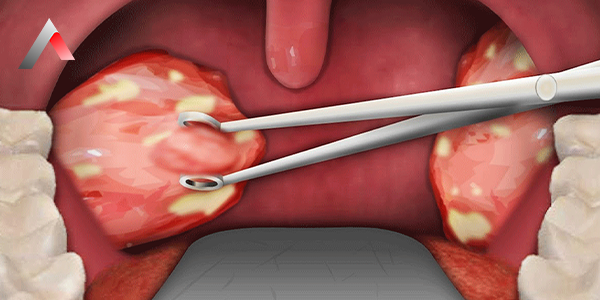
Adenoidectomy is the surgical removal of the adenoids. This surgery may be performed due to adenoid enlargement, adenoid inflammation, or other reasons. It is generally performed in children, but in some cases, it may also be necessary in adults.

These two surgeries are often performed together and are referred to as "tonsil and adenoid surgery."
These surgeries may be performed in the following cases:
Tonsillectomy and adenoidectomy are performed under general anesthesia. The surgeon removes the tonsils and adenoids through the mouth. Bleeding is controlled during the surgery, and no stitches are placed.
Evaluation and Tests:
Before the surgery, the child’s overall health is assessed, and a series of tests are performed. These tests may include blood tests, throat culture, and a sleep study (if sleep apnea is suspected).
Preparation Process:
Before the surgery, the child may need to fast for a certain period. Additionally, some medications may need to be temporarily stopped. Your doctor will provide detailed information about the preoperative preparation process.
Recovery Process:
After the surgery, there may be throat pain, difficulty swallowing, and fever. These symptoms usually subside within a few days. To speed up recovery, it is important to drink plenty of fluids, eat soft foods, and use the medications prescribed by your doctor.
Nutrition:
In the first few days after surgery, you should consume liquids or pureed foods. Gradually, you can transition to solid foods. Avoid acidic, spicy, and hard foods.
Pain Management:
Your doctor may prescribe painkillers to control pain. Additionally, you can soothe your throat by using lozenges or gargling with warm salt water.
Bleeding:
Mild bleeding may occur in the first few days after surgery. If the bleeding is severe or does not stop, contact your doctor immediately.
Possible Complications:
Rare complications after tonsil and adenoid surgery may include bleeding, infection, and breathing problems.
Like any surgical procedure, tonsil and adenoid surgery carries certain risks. These risks include bleeding, infection, anesthesia-related complications, and rarely, death. However, these risks are quite low and are further minimized when the surgery is performed by an experienced surgeon.
A Life Health Group has a team of experienced ENT surgeons specialized in tonsil and adenoid surgery. We provide personalized treatment plans using the latest technology and methods. Comprehensive support and follow-up services are offered to our patients before and after surgery.
Advantages offered by A Life Health Group:
As A Life Health Group, we have a specialized team in tonsil and adenoid surgery and other ENT procedures. You can contact us for your health needs.
Last Updated: 6 Kasım 2025 14:05
Publish Date: 25 Nisan 2024 10:16
Please fill in the fields below so that we can reach you
We are here for all your questions and problems 24/7.


 TR Türkçe
 EN English
 0 (850) 888 54 33


 E-Appointment
 E-Appointment
  E-Result






 0 (850) 888 54 33
 WhatsApp
 E-Appointment